Definition and Meaning of a Divorce Decree
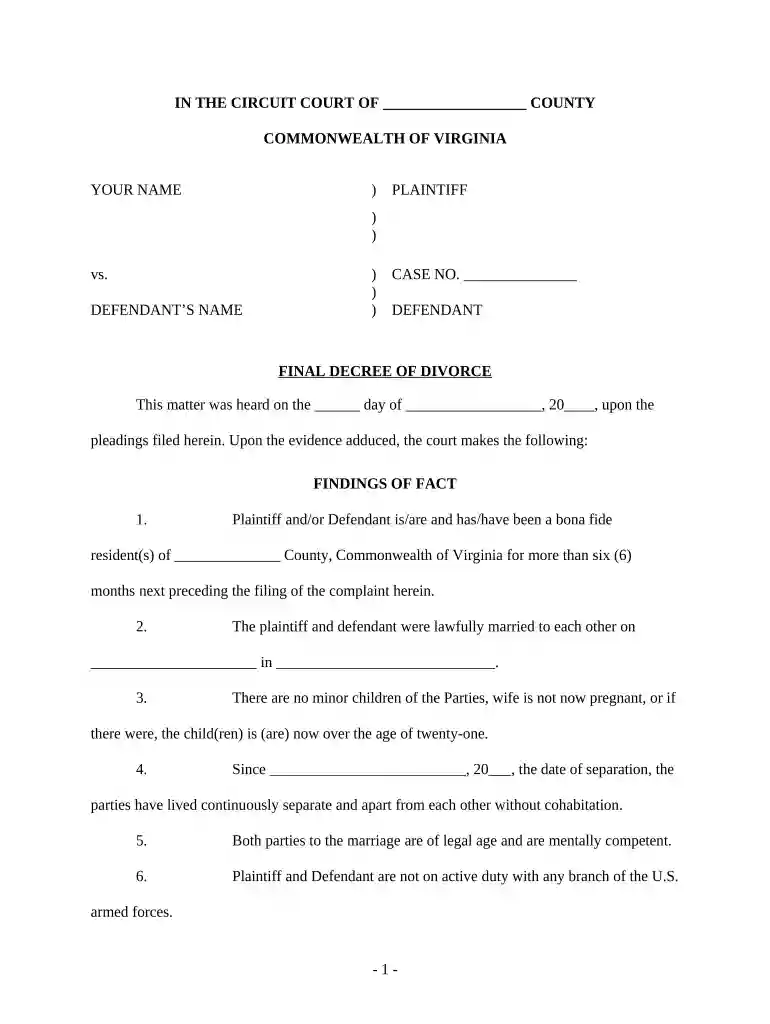
A divorce decree is a legal document issued by a court that finalizes the dissolution of a marriage. It outlines the terms of the divorce, including child custody arrangements, division of assets, and any alimony obligations. This official order signifies that both parties are no longer legally bound to each other and indicates the conclusion of the marital relationship.
The decree serves multiple purposes:
- Legal Confirmation: It officially terminates the marriage.
- Guidance for Post-Divorce Obligations: It details the responsibilities of each party regarding finances, property, and children.
- Template for Future Legal Proceedings: It can serve as a reference for any post-divorce disputes or modifications.
In essence, the divorce decree is a crucial document that provides clarity on the outcomes of the divorce proceedings, ensuring that both parties understand their rights and responsibilities.
Key Elements of a Divorce Decree
A standard divorce decree includes several essential components that address various aspects of the divorce:
- Identification of Parties: The decree typically begins with the names of both the plaintiff and defendant.
- Marital Information: It may include the date of marriage and the date of separation.
- Custody Arrangements: If there are minor children involved, the decree specifies custody arrangements, visitation schedules, and child support obligations.
- Property Division: A detailed breakdown of how assets and debts are to be divided between the parties.
- Alimony Terms: If applicable, the decree will outline any spousal support obligations, including duration and amount.
- Restoration of Name: Provisions may be made for one spouse to resume a previous surname.
- Court Findings: Courts often include specific findings regarding the marriage and the circumstances surrounding the divorce.
Understanding these elements is critical for both parties to ensure compliance and for any future legal inquiries related to the divorce.
Steps to Complete the Divorce Decree
Completing a divorce decree involves several key steps, from preparation to finalization:
- Filling out Required Forms: Obtain the necessary divorce forms specific to your state. This may include a proposed final divorce decree and any other supporting documents.
- Negotiating Terms: Both parties should discuss and reach an agreement on custody, property division, and support, which will be included in the decree.
- Drafting the Decree: Properly draft the divorce decree, ensuring all agreed-upon terms are clearly stated. Consider using a divorce decree template for guidance.
- Filing with the Court: Submit the completed decree to the appropriate court for review. Ensure that any required filing fees are paid.
- Court Review and Hearing: In some cases, a court hearing may be necessary. Both parties may need to appear before a judge to confirm the terms.
- Issuance of Final Decree: Once the court approves the document, it will issue a final decree of divorce, making it legally binding.
By diligently following these steps, both parties can help facilitate a smoother divorce process.
Important Terms Related to Divorce Decree
Understanding specific terminology associated with divorce decrees can clarify the legal implications:
- Petition for Divorce: The document filed to initiate divorce proceedings.
- Respondent: The spouse who responds to the filed petition.
- Mediation: A process through which a neutral third party helps the divorcing couple reach an agreement.
- Custody: Legal rights regarding the care and control of children.
- Community Property: A legal concept in some states where marriage assets are owned jointly.
- No-Fault Divorce: A divorce proceeding where no party is blamed for the breakdown of the marriage.
Familiarity with these terms can ease the process of navigating divorce proceedings and understanding the contents of the divorce decree.
Examples of Using a Divorce Decree
Practical applications of a divorce decree may include:
- Child Support Enforcement: The decree provides a legal basis for establishing and enforcing child support obligations. If one party fails to pay, the decree serves as documentation for legal action.
- Changing Property Deeds: Following the property division outlined in the decree, individuals may need to update property titles and deeds to reflect ownership changes.
- Name Change Requests: A spouse wishing to revert to a former name can present the divorce decree to the relevant authorities to complete the name change process.
These examples illustrate how vital it is to maintain a copy of the divorce decree for future legal and personal matters.
State-Specific Rules for the Divorce Decree
Each state has its own regulations and requirements concerning divorce decrees, which can affect the process. Key variations may include:
- Filing Fees: Differences in court costs associated with filing divorce documents.
- Mandatory Waiting Periods: Certain states may have waiting periods before a divorce decree can be granted.
- Forms Needed: Specific forms or additional documents may be required in some jurisdictions.
Understanding these state-specific rules is essential for complying with local legal standards and ensuring that the divorce process proceeds without unnecessary delays.