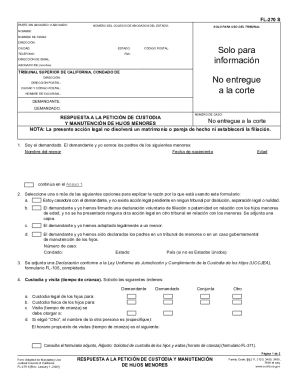
Ne defendant 2026

Get Form
ne defendant Preview on Page 1

Here's how it works

01. Edit your form online
Type text, add images, blackout confidential details, add comments, highlights and more.
02. Sign it in a few clicks
Draw your signature, type it, upload its image, or use your mobile device as a signature pad.
03. Share your form with others
Send it via email, link, or fax. You can also download it, export it or print it out.

How to use or fill out ne defendant with our platform

Form edit decoration
9.5
Ease of Setup
DocHub User Ratings on G2
9.0
Ease of Use
DocHub User Ratings on G2
  1. Click ‘Get Form’ to open the ne defendant document in the editor.
  2. Begin by entering the case number at the top of the form. This is essential for tracking your claim.
  3. Fill in the plaintiff's name and address, ensuring accuracy as this information is crucial for legal notifications.
  4. In the section labeled 'Defendant', input the name of the individual or entity you are claiming against.
  5. Specify the amount owed or property to be returned in the designated fields, providing clear details to support your claim.
  6. Indicate how you wish to serve notice to the defendant by selecting one of the options provided (sheriff/constable, mail, process server).
  7. Sign and date the form in front of a court clerk or notary, as required for validation.

Start using our platform today for free to streamline your document editing and completion process!

be ready to get more

Complete this form in 5 minutes or less

Get form

Got questions?

We have answers to the most popular questions from our customers. If you can't find an answer to your question, please contact us.
Contact us
In criminal cases, a defendant is the person accused of the crime. They have certain rights guaranteed to them by law, such as the right to an attorney and the presumption of innocence until proven guilty. In a civil case, the defendant is the person or entity being sued.
In a criminal case, the defendant is the person accused of committing a crime. For example, if someone is accused of , the government will bring a criminal case against them. The government is the plaintiff, and the accused is the defendant.
Defendant, in criminal cases, is the person accused of the crime. In civil cases, the defendant is the person or entity that is being sued by the plaintiff. In certain types of actions, the defendant is called the respondent. However, the term respondent is usually used to designate the person responding to an appeal.
defendant - In a civil suit, the person complained against; in a criminal case, the person accused of the crime.
There are two types of defendants. There are defendants within a civil lawsuit, and there are defendants within a criminal trial.

Security and compliance

At DocHub, your data security is our priority. We follow HIPAA, SOC2, GDPR, and other standards, so you can work on your documents with confidence.

Learn more
ccpa2
pci-dss
gdpr-compliance
hipaa
soc-compliance
be ready to get more

Complete this form in 5 minutes or less

Get form

People also ask

codefendant. A codefendant is one of multiple defendants jointly sued in the same civil action or formally accused of committing the same crime. For instance, if A sues B and C, B and C are codefendants.
Defending ones rights in the face of criminal charges involves a complex legal landscape, with three primary approaches known as negative, affirmative, and procedural criminal defenses. These strategies are essential to navigate the criminal justice system effectively and protect individuals from unjust consequences.

Related links