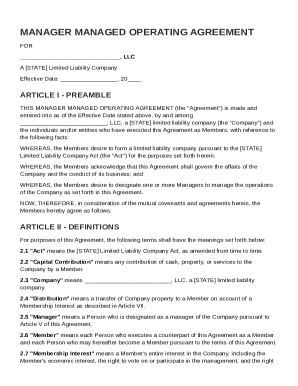
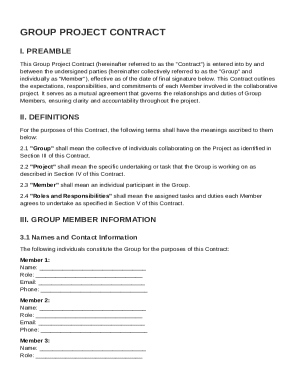
Dysphagia diet waiver form 2026

Get Form
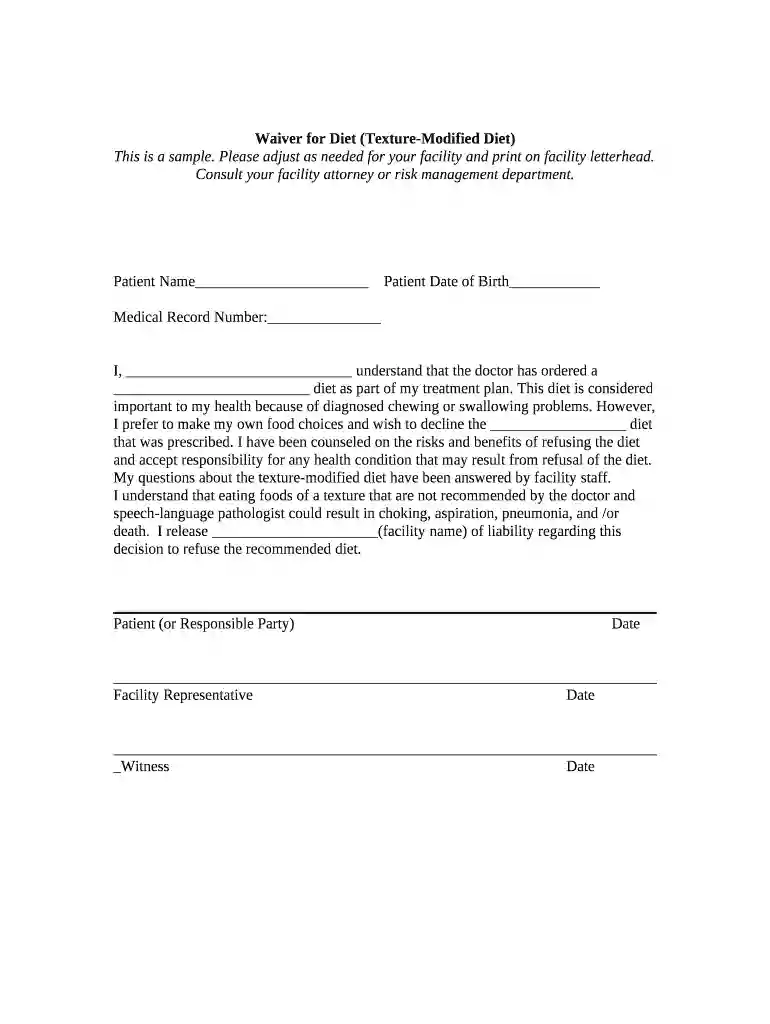
diet waiver form Preview on Page 1

Here's how it works

01. Edit your diet waiver form online
Type text, add images, blackout confidential details, add comments, highlights and more.

02. Sign it in a few clicks
Draw your signature, type it, upload its image, or use your mobile device as a signature pad.

03. Share your form with others
Send dysphagia diet waiver form via email, link, or fax. You can also download it, export it or print it out.

Definition and Meaning of Dysphagia Diet Waiver Form

A dysphagia diet waiver form is a legal document used primarily in healthcare settings, allowing patients to decline a prescribed texture-modified diet designed to assist individuals who have difficulty swallowing. This form is crucial for ensuring that patients are fully informed about the risks associated with their dietary choices. By signing the waiver, patients indicate their understanding and acceptance of these risks while releasing the facility from liability for any adverse outcomes that may arise from their decision.

Key Components of the Waiver

  • Patient's Information: The form generally includes the patient’s personal details, such as name, date of birth, and contact information.
  • Description of Dysphagia: A clear explanation of dysphagia and how it affects dietary choices, tailored to the patient's comprehension level.
  • Dietary Recommendations: A summary of the recommended texture-modified diet, including the types of foods involved and their intended benefits.
  • Acknowledgment of Risks: A specific section emphasizing the potential health complications resulting from refusing the diet, such as aspiration pneumonia or malnutrition.
  • Release of Liability Clause: A statement that releases the healthcare provider or facility from legal responsibility if health issues occur due to the patient's dietary choices.

This waiver is often a part of comprehensive patient care and is designed to promote informed consent.

How to Use the Dysphagia Diet Waiver Form

Using the dysphagia diet waiver form involves several key steps to ensure that patients and healthcare providers communicate effectively and that consent is properly documented.

Steps to Utilize the Form

  1. Consultation with Healthcare Provider: Before filling out the form, patients should discuss their swallowing difficulties and dietary options with their healthcare provider.
  2. Review of the Recommended Diet: Patients must carefully read the dietary modifications suggested for their safety and health.
  3. Understanding the Waiver: Patients should thoroughly understand the implications of signing the waiver, including potential health risks.
  4. Signing the Form: After fully comprehending the information, the patient signs the waiver in the presence of a healthcare professional, who may also sign to validate the process.
  5. Retention of the Document: Both the patient and the provider should maintain a copy of the signed waiver for future reference.

This multi-step process ensures that both parties are aligned concerning the patient's dietary decisions and related health considerations.

Steps to Complete the Dysphagia Diet Waiver Form

Completing the dysphagia diet waiver form correctly is essential for legal compliance and effective communication between the patient and healthcare provider.

Detailed Completion Instructions

  1. Personal Information Section: Fill in the patient’s complete name, date of birth, and any required identification numbers.

  2. Dietary Understanding: Read and sign the section that confirms understanding of the prescribed texture-modified diet. This might include an explanation of why such a diet is recommended based on the patient's specific needs.

  3. Risk Acknowledgment: Carefully review the list of potential risks associated with refusing the recommended diet, and sign to acknowledge awareness of these risks.

  4. Date and Signature: Enter the date of completion, and both the patient and the healthcare provider should sign the form where indicated, ensuring that both parties acknowledge the waiver's content.

  5. Storing the Form: Securely store the completed form in the patient's medical records for future reference. This serves as documentation of the patient’s decision-making process and consent.

By following these steps, healthcare providers can ensure that the form is completed accurately and legally.

Why Should You Use the Dysphagia Diet Waiver Form

The use of a dysphagia diet waiver form is important for both patients and healthcare providers, serving multiple purposes in terms of patient care and institutional risk management.

Reasons for Utilizing the Form

  • Informed Consent: It ensures patients are fully informed of their dietary options and the potential consequences of refusing a recommended diet, fostering transparency.
  • Legal Protection for Providers: The waiver offers legal protection for healthcare facilities against liability claims related to the patient’s dietary choices after declining prescribed options.
  • Patient Autonomy: It respects patients' rights to make informed choices concerning their health and wellbeing, emphasizing their involvement in the decision-making process.
  • Clear Documentation: Provides a clear record of the patient’s wishes related to their diet, which can be reviewed in future healthcare interactions.
  • Safety Measures: Reinforces the importance of dietary management while allowing patients the freedom to refuse treatment when they are fully informed.

Using this form aligns patient autonomy with safety and legal concerns, making it a vital element of patient-centered healthcare.

Important Terms Related to Dysphagia Diet Waiver Form

Understanding specific terminology associated with the dysphagia diet waiver form is essential for both patients and healthcare providers. Key terms include:

  • Dysphagia: A medical term for difficulty swallowing, which may arise from various health conditions affecting the esophagus or nerves.
  • Texture-Modified Diet: A dietary regimen that consists of food items altered in texture to facilitate safer swallowing, often including pureed, minced, or soft foods based on individual needs.
  • Informed Consent: The process of providing comprehensive information to patients regarding treatment choices, ensuring they can make educated decisions.
  • Liability Waiver: A legal document that relinquishes a party’s right to take legal action against another party under specified circumstances.
  • Health Complications: Potential adverse health outcomes linked to dietary choices, which can include choking, aspiration pneumonia, and malnutrition.

These terms create a foundational understanding essential for effectively engaging with the dysphagia diet waiver form.

See more dysphagia diet waiver form versions

We've got more versions of the dysphagia diet waiver form form. Select the right dysphagia diet waiver form version from the list and start editing it straight away!
Versions Form popularity Fillable & printable
2018 4.9 Satisfied (28 Votes)
be ready to get more

Complete this form in 5 minutes or less

Get form

Got questions?

We have answers to the most popular questions from our customers. If you can't find an answer to your question, please contact us.
Contact us
Texture B (Dysphagia ground diet) is a diet where food is soft, moist, and easily mashed with a fork. Food should easily form into a ball. a. The tongue, rather than teeth, can break up the small lumps in this texture.
Dairy, meat, and other foods: Tough, dry meats and poultry (chicken and turkey) Nuts, seeds, or peanut butter. Pizza. Soups with tough meats.
Dysphagia Mechanical Soft Diet. A Dysphagia Diet is used for people who have difficulty swallowing. Foods on this diet are easier to chew and move around in your mouth. This will reduce the risk of food and liquids going the wrong way.
Voluntariness of decisions regarding modified texture diets For consent to be valid it must be given freely and voluntarily. People must be supported to understand that they are the decision makers and have choices, including to refuse to consent. Coercion is not simply physical force or overt threats.
The patient can refuse or withdraw consent at any time during treatment. Informed consent respects patient autonomy, promotes trust in the patient-provider relationship, and safeguards against unethical practices. Medical care and medical research have become increasingly complex.

Security and compliance

At DocHub, your data security is our priority. We follow HIPAA, SOC2, GDPR, and other standards, so you can work on your documents with confidence.
Learn more
ccpa2
pci-dss
gdpr-compliance
hipaa
soc-compliance
be ready to get more

Complete this form in 5 minutes or less

Get form

People also ask

All efforts are made to comply with the written physician order. When patients select foods non-compliant to the diet order, alternatives will be offered. Patients have the right to refuse alternatives.
You cant force someone to eat. Actually, forcing food down someones throat is a direct violation of the Residents Bill of Rights, AKA the 1987 Nursing Home Reform Law. The link leads to a site by Indiana state, but its a federal law that requires compliance by all states.
You have the right to refuse medical treatment or treatment with medications (except in an emergency) unless a capacity hearing is held and a hearing officer or a judge finds that you do not have the capacity to consent to or refuse treatment.

diet waiver