





Definition and Meaning of the MedStar Form
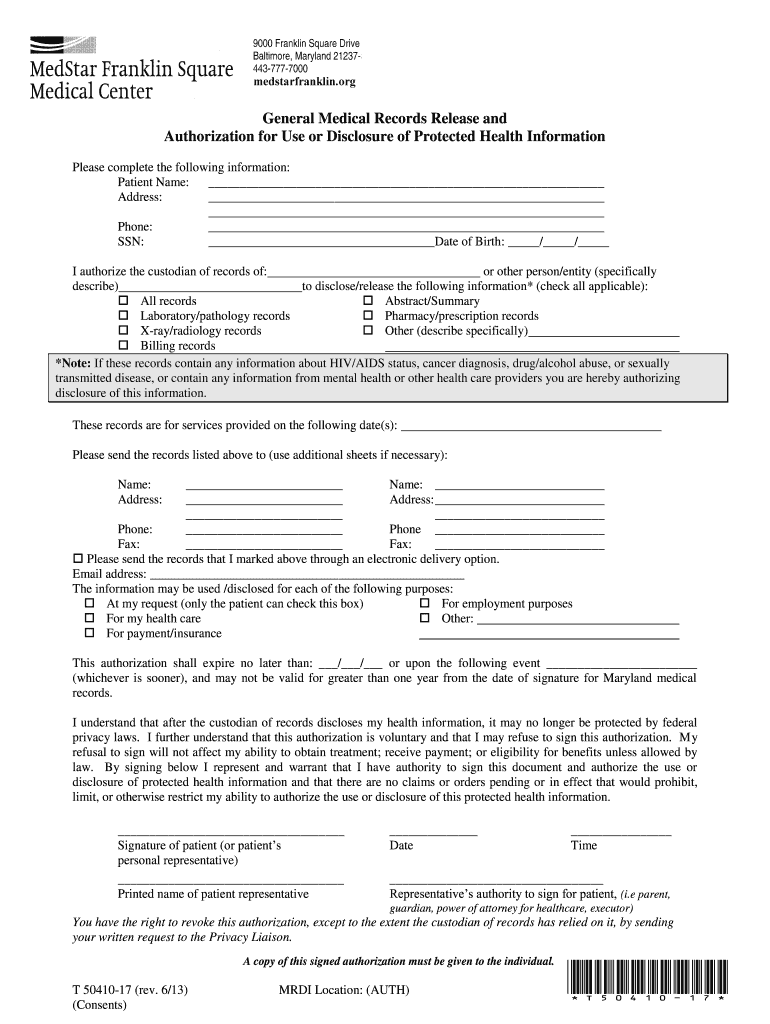
The MedStar form typically refers to a medical records release and authorization document used by patients to permit healthcare providers to share their protected health information (PHI). In a healthcare context, the MedStar form empowers patients by allowing them to specify which records can be disclosed, to whom they should be sent, and for what purpose. This form protects both the patient’s privacy and the healthcare provider's legal responsibilities, serving as a crucial tool in the management of medical records.
- The form usually includes essential patient information, such as name, date of birth, and contact details.
- It identifies specific types of medical records to be released, which may include test results, treatment notes, and prescriptions.
- The purposes for which the information will be used can vary, such as continuity of care, obtaining a second opinion, or legal reasons.
Understanding the intricacies of the MedStar form is vital for patients navigating the healthcare system, especially if they need to transfer their medical records between providers.
How to Use the MedStar Form
Using the MedStar form effectively starts with properly completing it. Patients should first ensure they have the correct version of the form, which can often be obtained through healthcare providers or downloaded from relevant health authority websites.
- Complete Patient Information: Fill in your full name, date of birth, and contact details.
- Select Records to Disclose: Clearly indicate the specific types of records you wish to request. This could include records from specific departments such as radiology or cardiology.
- Designate Recipients: Specify who should receive the records (e.g., another healthcare provider, attorney, or specific person).
- State the Purpose: Briefly outline why you need these records, which aids providers in processing your request appropriately.
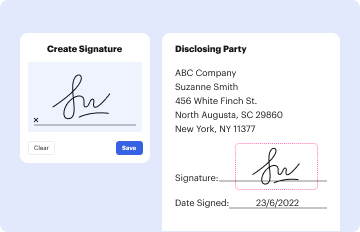
- Sign and Date: Your signature is imperative, as it reflects your consent for the release of information, and ensure the date is accurate.
Using the MedStar form correctly ensures that your medical information is released securely and in compliance with HIPAA regulations.
Steps to Complete the MedStar Form
Completing the MedStar form involves a straightforward set of steps that ensure clarity and compliance with legal standards.
Step-by-Step Completion
- Download and Print: If you are obtaining the form online, download and print the most recent version.
- Fill out Personal Details: Input your complete name, date of birth, and any necessary identification numbers.
- Choose Specific Medical Records: Tick the boxes next to the types of medical records you wish to release. This could encompass:
- Medical history
- Laboratory tests
- Imaging results
- Add Recipients: Clearly list the name and contact information of the individuals or organizations to whom you are allowing access.
- Clarify the Purpose: Describe why you need the information, as this aids in processing the request.
- Review and Sign: Double-check all entries for accuracy before signing and dating the document.
It is crucial to copy any instructions or disclaimers found on the form, as they provide insight into any potential limitations or conditions related to the consent given.
Important Terms Related to the MedStar Form
Understanding specific terminology associated with the MedStar form is essential for utilizing it effectively.
- Protected Health Information (PHI): Any personal health information that can be used to identify a patient, such as health records, treatment history, and payment information.
- Authorization: A patient’s explicit consent required for a healthcare provider to disclose PHI to a third party.
- HIPAA: The Health Insurance Portability and Accountability Act that sets standards for the protection of PHI and mandates patient rights to access their health records.
Familiarity with these terms aids patients as they navigate their healthcare activities and understand their rights regarding their personal medical information.
Legal Use of the MedStar Form
The legal framework surrounding the MedStar form is rooted in various regulations that protect patient rights while allowing for necessary communication among healthcare providers.
Complying with HIPAA Regulations
- Patient Consent: Under HIPAA, patients have the right to control their health information, meaning that the MedStar form must be signed voluntarily.
- Recording Purpose: The form must clearly state the purpose for which the information will be used to ensure compliance with legal standards.
- Revocability: Patients retain the right to revoke their consent at any time, provided that such revocation is documented in writing.
Being aware of these legal implications is vital for both patients and providers in maintaining ethical and legal compliance in the sharing of sensitive medical information.
Key Elements of the MedStar Form
Several critical components must be included in the MedStar form to ensure its effectiveness and legal validity.
- Patient Identification: Comprehensive details about the patient to ensure accurate identification.
- Types of Medical Records: Clearly detailed options concerning which records are to be shared, which aids providers in complying with requests efficiently.
- Signatory Requirements: The patient’s signature and the date add a layer of legitimacy to the document.
- Recipient Information: Full details of the person or entity receiving the medical records, ensuring that the data reaches the correct party.
Ensuring that each of these elements is addressed in the MedStar form provides a robust framework for legal and efficient communication regarding medical records.