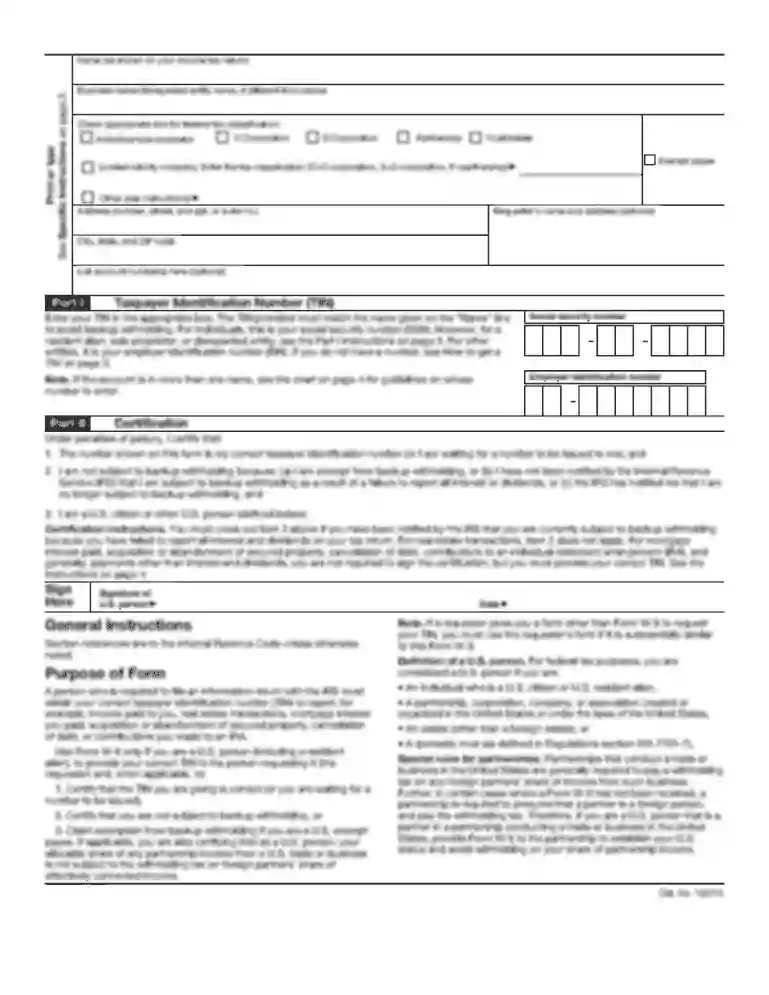
ct eviction forms Preview on Page 1

Connecticut process eviction form 2026

Here's how it works

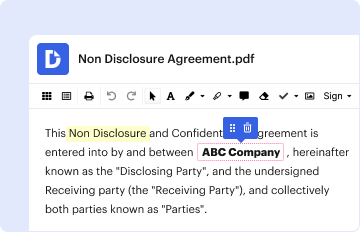
  • 01. Edit your ct eviction forms online

    Type text, add images, blackout confidential details, add comments, highlights and more.

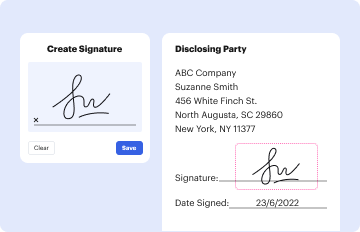
  • 02. Sign it in a few clicks

    Draw your signature, type it, upload its image, or use your mobile device as a signature pad.

  • 03. Share your form with others

    Send eviction process in ct no lease via email, link, or fax. You can also download it, export it or print it out.

How to use or fill out Connecticut Process Eviction Form

Form edit decoration
9.5
Ease of Setup
DocHub User Ratings on G2
9.0
Ease of Use
DocHub User Ratings on G2
  1. Click ‘Get Form’ to open the Connecticut Process Eviction Form in our editor.
  2. Begin by entering the return date and the judicial district where the case will be filed. This information is crucial for proper processing.
  3. Fill in the plaintiff's (landlord's) name and address, followed by the defendant's (tenant's) name and address. Ensure all details are accurate to avoid delays.
  4. In the complaint section, specify the date of the lease agreement and describe the rented property, including its location. Clearly state the terms of rent payment agreed upon.
  5. Indicate any missed rent payments and attach a Notice to Quit if applicable. This document must be served to inform the tenant of their obligation to vacate.
  6. Finally, review all entries for accuracy before signing. Once completed, you can save or print your form directly from our platform.

Start using our platform today to fill out your Connecticut Process Eviction Form quickly and efficiently!

See more ct eviction forms versions

We've got more versions of the ct eviction forms form. Select the right ct eviction forms version from the list and start editing it straight away!

VersionsForm popularityFillable & printable
20194.8 Satisfied (121 Votes)
20134.4 Satisfied (314 Votes)

be ready to get more

Complete this form in 5 minutes or less

Got questions?

We have answers to the most popular questions from our customers. If you can't find an answer to your question, please contact us.

You might be able to get 3 extra months to move out if you are evicted because you did not pay the rent, but you must fill out a Stay of Execution (#JD-HM-21) form and pay the court all of the rent you owe within 5 days of the judgment. You must be prepared to pay for each month that you stay.
The execution permits the landlord or owner to take possession of a premises by hiring a state marshal to execute the eviction by removing individuals and their property from the premises. After a clerk signs the execution, the landlord or owner must give the original to a state marshal for service.
Step-by-step guide to writing an eviction notice without a lease Start with a clear and concise header. State the reason for eviction. Specify the time frame for vacating. Include a section on unpaid rent or damages. Provide information on the consequences of non-compliance. Sign and date the notice.
If the judgment is for you, you can stay in the rental. If the judgment is against you, the landlord can start taking steps to have you removed. However, you may be able to get a Stay of Execution which will give you more time. The judge decides whether or not to grant a stay, and the maximum is three months.
The Notice to Quit must allow the tenant at least three full days to move. This means that there must be three full days between the date the Notice to Quit is served and the last day listed in the Notice to Quit to vacate the premises.

Security and compliance

At DocHub, your data security is our priority. We follow HIPAA, SOC2, GDPR, and other standards, so you can work on your documents with confidence.

Related links

Official Court Forms of the Connecticut Judicial Branch - CT.gov

Official Court Webforms ; JD-HM-020, Summary Process (Eviction) Complaint, Termination of Lease by Lapse of Time, Rev. 04/26 ; JD-HM-021, Stay of ExecutionRead more

Learn more
Evicted by Default

by NG SUMMERS 2025 Cited by 4 The prevalence of default judgments in eviction cases affects housing stability and raises concerns about access to procedural justice forRead more

Learn more
If you believe that this page should be taken down, please follow our DMCA take down process here