




01. Edit your little clinic doctors note online
Type text, add images, blackout confidential details, add comments, highlights and more.

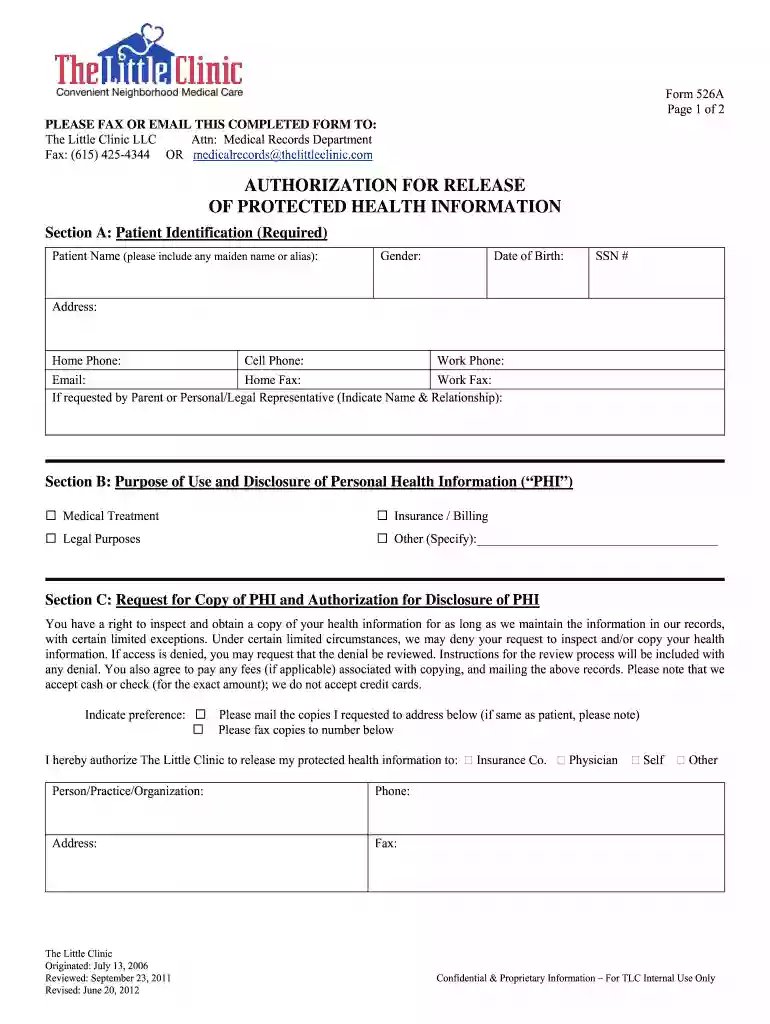
Type text, add images, blackout confidential details, add comments, highlights and more.

Draw your signature, type it, upload its image, or use your mobile device as a signature pad.

Send the little clinic doctors note via email, link, or fax. You can also download it, export it or print it out.
The little clinic doctors note is a medical document provided by The Little Clinic, a healthcare provider found in select Kroger locations. Its primary purpose is to document patient visits, summarizing the reason for the visit and any diagnosis or treatment provided. This note serves as an official record that can be used for various purposes, such as providing proof of illness for work or school or supporting insurance claims.
The little clinic doctors note is essential for several reasons:
Obtaining a little clinic doctors note involves several straightforward steps that ensure patients can get the necessary documentation after their appointments.
Visit The Little Clinic: Schedule an appointment at your nearest location. The visit will typically involve a consultation with a healthcare provider.
Request the Doctors Note: After your consultation, explicitly request the doctors note if it is not automatically provided. This ensures that healthcare staff are aware of your need for documentation.
Receive the Note: Typically, the note will be available immediately following your appointment. However, if you are unable to receive it on-site, inquire about how to obtain a copy through other means, such as accessing it via the little clinic patient portal.
Using the little clinic doctors note correctly ensures that you meet the requirements set forth by employers or educational institutions.
Submitting the Note for Absence Verification:
For Insurance Filings:
Understanding the key components of a little clinic doctors note helps in recognizing what information is typically included:
Legally, the little clinic doctors note is a critical document, ensuring that patient rights and health information remain protected under laws such as HIPAA (Health Insurance Portability and Accountability Act).
To better understand the application of the little clinic doctors note in real-world scenarios, consider the following examples:
Employee Request: An employee who visited The Little Clinic for flu-like symptoms presents their doctors note to their manager, which confirms their absence due to illness.
Student Documentation: A student who was absent due to a medical condition submits their doctors note to the school office to excuse their absence during critical exam periods.
We've got more versions of the little clinic doctors note form. Select the right little clinic doctors note version from the list and start editing it straight away!
| Versions | Form popularity | Fillable & printable |
|---|---|---|
| 2012 | 4.8 Satisfied (167 Votes) |
At DocHub, your data security is our priority. We follow HIPAA, SOC2, GDPR, and other standards, so you can work on your documents with confidence.
Present this voucher to The Little Clinic Provider at the beginning of your visit so that we can ensure the appropriate services are performed. The LittleRead more
Jan 9, 2026 Asst. Prof. Nathaniel Glasser uses sociology to understand how masculinity influences mens health.
01= Completed Interview. 02= Refused Interview. 03= Non-Working Number. 04= No Answer. 05= Business Telephone. 06= No Eligible Respondent at this number.Read more


