Manage Wills for Other Persons effortlessly online

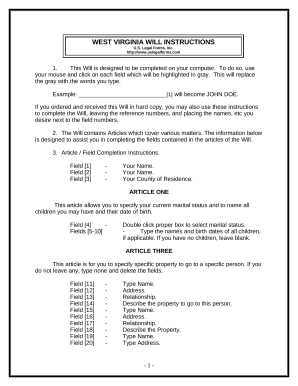
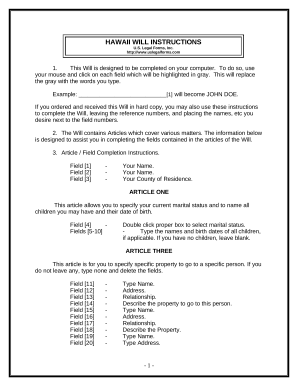
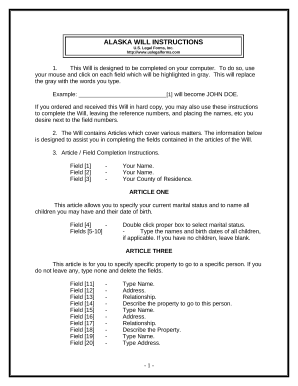
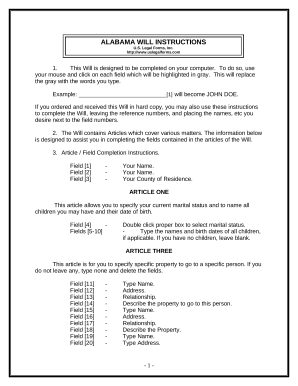
Document managing can stress you when you can’t locate all the documents you require. Luckily, with DocHub's substantial form collection, you can get everything you need and promptly handle it without switching between programs. Get our Wills for Other Persons and begin working with them.

The best way to manage our Wills for Other Persons using these basic steps:

  1. Browse Wills for Other Persons and select the form you require.
  2. Preview the template and click on Get Form.
  3. Wait for it to open in the online editor.
  4. Change your template: add new information and pictures, and fillable fields or blackout some parts if needed.
  5. Fill out your template, preserve changes, and prepare it for delivering.
  6. When you are ready, download your form or share it with your contributors.

Try out DocHub and browse our Wills for Other Persons category with ease. Get your free account right now!


Video Guide on Wills for Other Persons management

video background

Commonly Asked Questions about Wills for Other Persons

Use an In-Person Paid Service (Lawyer or Attorney) Depending on where you live, finding a professional you trust can be difficult. It is, however, a good idea to consult a lawyer if you have a large estate, complexities such as property in multiple states, or questions about Medicaid planning or trusts.
California does not have any forced heirship rules. This means you are free to leave your property to anyone you wish. The principal restriction is that if you are married, you may only dispose of one-half of any community property held with your spouse at the time of your death.
Simple and complex wills Also, a simple will usually does not involve complicated tax issues, docHub money management, or ongoing family needs. By comparison, a complex will may provide for distribution of assets over time, or include specific provisions for needs like education, for example.
You Can Help The Will Maker Howeverand this is a big howeveryou must make sure that your role is only to further the will makers wishes. You can read, type, print, and staple at the will makers direction. But you must not decide or even weigh in on the terms of the will.
Create a title and intros. A straightforward yet important detail to start your will is with a title and introduction. Appoint an executor. Determine guardianship/care of dependents. Assign distribution of assets. List your beneficiaries. Specify funeral and burial instructions. Add residuary clauses. Sign and docHub.
What are the four basic types of wills? Instead of asking What is a will, an estate planner should instead ask themselves, What type of will is best suited for the situation? The four main types of wills are simple wills, testamentary trusts, joint wills, and living wills.
Immediately after death After the death, but before probate is granted, the only the executors (or rather the people named executors in it) have a right to see the Will. At their discretion, they can show it to anyone else. Theyll need to send the original Will with the probate application. Should a beneficiary or an executor be given a copy of the will? netlawman.co.uk right-to-see-will netlawman.co.uk right-to-see-will
Yes, you can create a Will for someone else.
While it cant serve as a substitute for a last will, a letter of instruction can be extremely helpful to your loved ones. You can spell your wishes out in simple terms, and you can leave them a final message without the formality that comes with a legal document.
The Golden Rule exists to protect the vulnerable and to prevent undue influence or coercion in the making of a will. In the case of aged or ill individuals, their mental state may be fragile, making them susceptible to external pressures or manipulation. Understanding the Golden Rule of Testamentary Capacity nelliesupports.com post understanding-t nelliesupports.com post understanding-t