
US Garnishment Legal Forms

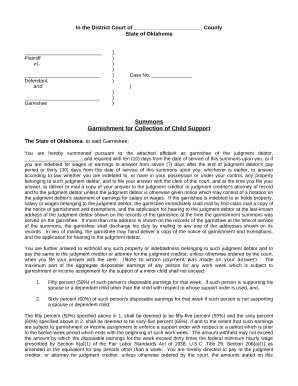
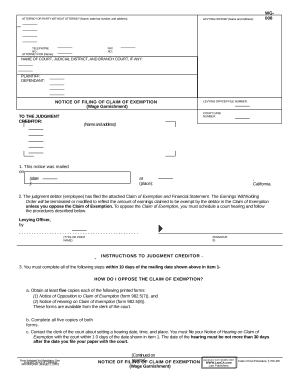
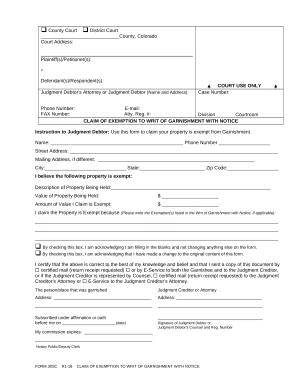

Handle US Garnishment Legal Forms easily online
Document managing can stress you when you can’t find all of the forms you require. Fortunately, with DocHub's vast form categories, you can find all you need and quickly take care of it without switching among software. Get our US Garnishment Legal Forms and start working with them.
Using our US Garnishment Legal Forms using these easy steps:
- Examine US Garnishment Legal Forms and select the form you require.
- Review the template and click on Get Form.
- Wait for it to upload in the online editor.
- Modify your form: include new information and pictures, and fillable fields or blackout some parts if required.
- Complete your form, preserve alterations, and prepare it for sending.
- When you are ready, download your form or share it with other contributors.
Try out DocHub and browse our US Garnishment Legal Forms category without trouble. Get your free profile right now!
Video Guide on US Garnishment Legal Forms management

Commonly Asked Questions about US Garnishment Legal Forms
Can my bank account be garnished in Kentucky?
A judgment creditor or the debt collector it hires may get a court order (judgment) to try to take money from your bank account to pay the debt. This is a bank account garnishment. Judgment creditors often go after money in bank accounts.
What is garnishment in USA?
Wage garnishment is a legal procedure in which a persons earnings are required by court order to be withheld by an employer for the payment of a debt such as child support.
Is there a way around wage garnishment?
Act quickly to prevent wage garnishment You can file a Claim of Exemption any time after wage garnishment has started, but youll only get wages back from the time after you submit the claim. If you act quickly, you can stop it before it even starts. By law, your employer cannot fire you for a single wage garnishment.
What is the most that can be garnished from a paycheck?
Federal law limits wage garnishments to 25% of your disposable income (15% for federal student loans) or the amount exceeding 30 times the federal minimum wage, whichever is less.
How to garnish wages in Kentucky?
What Is the Kentucky Wage Garnishment Process? The garnishment process often starts after a creditor gets a judgment in court against a debtor. If a creditor gets a judgment against you, the court will send a notice of a wage garnishment to your employer.
Whats the most a garnishment can take?
The garnishment law allows up to 50% of a workers disposable earnings to be garnished for these purposes if the worker is supporting another spouse or child, or up to 60% if the worker is not.
What is a garnishment in Texas?
Here, learn about garnishment and how it works in Texas. Garnishment is a process that creditors use to collect debts, often requiring a lawsuit and court judgment. Banks or employers may freeze funds without prior notice, but certain types of property, such as wages and benefits, are protected from being garnished.
What is exempt from garnishment in Kentucky?
(1) The following personal property of an individual debtor resident in this state is exempt from execution, attachment, garnishment, distress or fee-bill: All household furnishings, jewelry, personal clothing and ornaments not to exceed three thousand dollars ($3,000) in value; tools, equipment and livestock,


