Handle Trial Preparation Forms quickly online

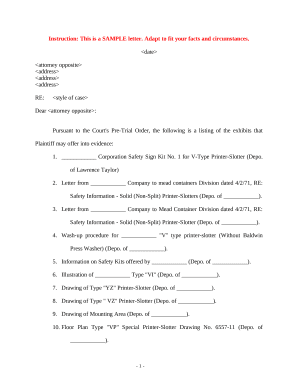
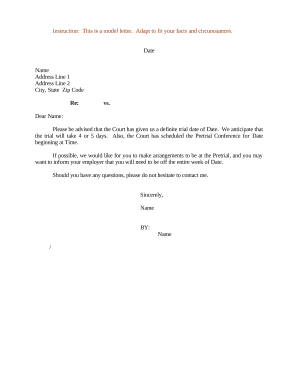
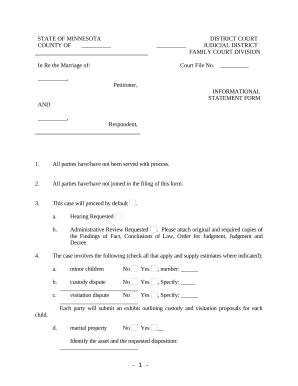
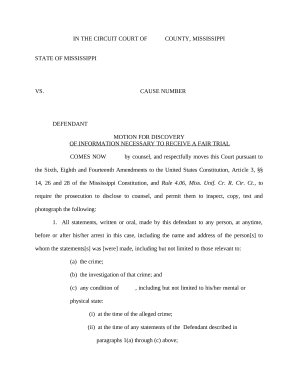
Document managing can overwhelm you when you can’t discover all the documents you require. Luckily, with DocHub's considerable form collection, you can find all you need and swiftly take care of it without switching among apps. Get our Trial Preparation Forms and start working with them.

Using our Trial Preparation Forms using these basic steps:

  1. Browse Trial Preparation Forms and select the form you require.
  2. Review the template and then click Get Form.
  3. Wait for it to upload in the online editor.
  4. Change your form: add new information and pictures, and fillable fields or blackout some parts if required.
  5. Complete your form, save adjustments, and prepare it for sending.
  6. When you are ready, download your form or share it with other contributors.

Try out DocHub and browse our Trial Preparation Forms category without trouble. Get a free account today!

Video Guide on Trial Preparation Forms management

video background

Commonly Asked Questions about Trial Preparation Forms

California Criminal Jury Trials How it Works 2.1. Jury selection. 2.2. Opening statements. 2.3. The case in chief. 2.4. Closing arguments. 2.5. Jury deliberations. 2.6. The verdict. 2.7. The sentencing hearing.
A Look at the Trial Process Presentation of Evidence and Testimony of Witnesses. The plaintiffs or prosecutions case is presented first. Closing Arguments. Presentation of Jury Instructions (Charging the Jury) Deliberation. Announcement of the Verdict.
Steps in the Criminal Justice Process. What are the steps in the criminal justice process? The following subsections are the formal criminal justice process steps in more detail: Investigation and arrest, pretrial process, adjudication, sentencing, and corrections.
Trial preparation encompasses all the activities that a legal team undertakes to get ready for a courtroom trial. This involves gathering and organizing evidence, preparing witnesses, developing legal arguments, and planning the trials logistics.
You should draft an outline based upon the instructions and organize your evidence and witnesses ing to the instructions. Using the jury instructions, I organize evidence and witnesses into two categories (1) Liability and (2) Damages. This will shape how and when you put the evidence and witnesses in at trial.
5. The Jurys Verdict. The judge will instruct the jury to select a foreperson who will act as their organizer and spokesperson. The judge will give them a verdict form to complete, and they will then retire to the deliberation room to decide upon their verdict.
4. Prepare for your civil trial Get familiar with the rules of evidence. Review all the papers filed, evidence, and declarations. Prepare your exhibits and arrange for witnesses. Watch a trial (if possible) Write down what you plan to say and ask at trial. Prepare your jury instructions. Prepare a trial brief.
A trial consists of jury selection, known as voir dire, opening statements, examination of witnesses and presentation of evidence, jury instructions, and closing arguments. The judge or jury will then render a verdict of guilty, known as a conviction, or not guilty, known as an acquittal.