Handle Traffic Law Forms effortlessly online

Document administration can overwhelm you when you can’t locate all the documents you need. Luckily, with DocHub's extensive form library, you can get everything you need and swiftly deal with it without switching among software. Get our Traffic Law Forms and begin working with them.

How to use our Traffic Law Forms using these basic steps:

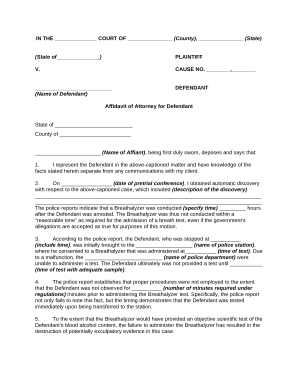
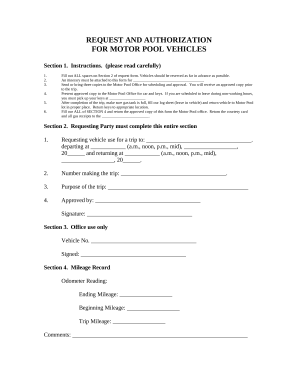
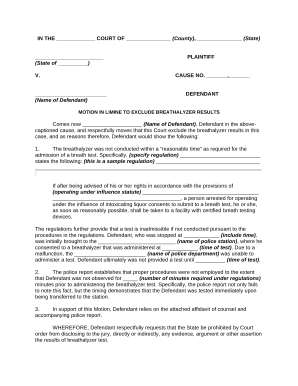
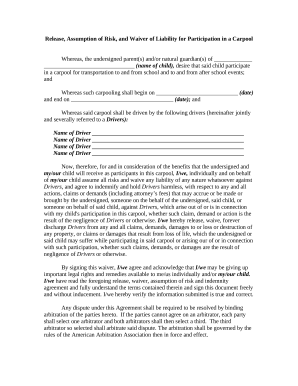
  1. Check Traffic Law Forms and choose the form you need.
  2. Review the template and then click Get Form.
  3. Wait for it to open in our online editor.
  4. Modify your document: include new information and images, and fillable fields or blackout certain parts if necessary.
  5. Complete your document, conserve changes, and prepare it for sending.
  6. When you are ready, download your form or share it with your contributors.

Try out DocHub and browse our Traffic Law Forms category without trouble. Get your free profile right now!


Video Guide on Traffic Law Forms management

video background

Commonly Asked Questions about Traffic Law Forms

The law requires drivers to slow down and move over when they see emergency vehicles stopped, parked or standing on the side of the road including in any shoulder lane.
Equipping motor vehicles with radio receiving sets capable of receiving signals on the frequencies allocated for police use.
Vehicle and Traffic Law, Section 253, provides a method for service on a non-resident of the State of New York who is sued on a cause of action arising out of an accident or collision in which s/he is involved while operating a motor vehicle in New York State.
Section 375 (12-a) of the NYS Vehicle and Traffic Law does not allow a windshield or front side windows that are dark. The windshield and front side windows cannot block more than 30% of the light. Seventy percent or more of the light from the outside must pass through the window.
It shall be unlawful for the owner to operate, park or stand a motor vehicle or trailer on any public highway or street in this state, or to authorize another to so operate, park or stand a motor vehicle or trailer, with the consent of such owner, expressed or implied, unless such motor vehicle or trailer be equipped
No person shall operate or move, or cause or knowingly permit to be operated or moved on any highway or bridge thereon, in any county not wholly included within a city, any vehicle or combination of vehicles of a size or weight exceeding the limitations provided for in this section.
121-e. Livery. Every motor vehicle, other than a taxicab or a bus, used in the business of transporting passengers for compensation. However, it shall not include vehicles which are rented or leased without a driver.
For policies with a term of six months or less: An insurer must collect a $5 fee per insured vehicle when the policy is first issued and upon renewal of the policy, but the total fee collected should not exceed $10 per insured vehicle annually.