Get and manage Tenant Rights in New Mexico online

Boost your form managing using our Tenant Rights in New Mexico online library with ready-made form templates that meet your requirements. Access your form, alter it, complete it, and share it with your contributors without breaking a sweat. Begin working more effectively with your forms.

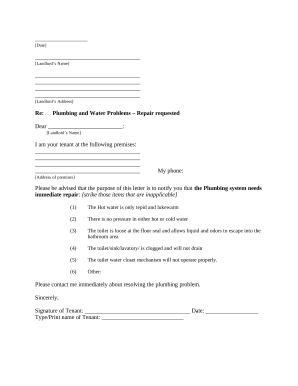
The best way to manage our Tenant Rights in New Mexico:

  1. Open our Tenant Rights in New Mexico and search for the form you need.
  2. Preview your document to ensure it’s what you want, and click on Get Form to begin working on it.
  3. Edit, include new text, or point out important information with DocHub features.
  4. Complete your form and save the modifications.
  5. Download or share your document with other recipients.

Explore all of the possibilities for your online file administration with the Tenant Rights in New Mexico. Get your free free DocHub profile today!


Video Guide on Tenant Rights in New Mexico management

video background

Commonly Asked Questions about Tenant Rights in New Mexico

Tenants can use the New Mexico Tenant Notice to Vacate Form to inform landlords and property managers of their intention to vacate the rental property at least 30 days before they intend to move out, or longer if required by the terms of their New Mexico Lease Agreement.
Landlords in New Mexico must honor tenants rights by providing habitable housing, making repairs in a timely manner, refraining from discrimination, allowing tenants to have quiet enjoyment of the property, and adhering to the legal process for eviction, among other things.
In New Mexico, evictions are regulated by state statutes. To evict a tenant, a landlord must first terminate the tenancy with a notice, and then eviction lawsuit against the tenant and win the lawsuit.
In the state of New Mexico, the law enforcement officer must remove the tenant from the rental unit 3-7 days after the judgment is passed in favor of the landlord.
New Mexico tenants are allowed to withhold rent in the case the landlord does not keep the property in habitable condition as required by law. However, tenants must follow a specific process to do so.
If you rent on a month-to-month basis, you must give the landlord 30 days notice when you plan to move. Similarly, the landlord must give you 30 days notice of a change in rent or conditions.
A Motion to Stay (Delay) Order for Summary Eviction allows the tenant to ask the court to stay (pause) a summary eviction and grant the tenant up to ten more days to move. (NRS 70.010(2); JCRCP 110.) A tenant can file a motion to stay at any time after an eviction notice is served.
More complex evictions could take months or even up to a year to complete. During this time, you could be losing out on unpaid rent, court fees, and costs to repair your property if it is damaged by the unwilling tenants. To avoid these fees, you can hire a property management company like this one.