Get and handle Tenant Protection Notices online

Boost your document managing with the Tenant Protection Notices online library with ready-made document templates that meet your needs. Access the form, edit it, fill it, and share it with your contributors without breaking a sweat. Start working more effectively with your documents.

The best way to manage our Tenant Protection Notices:

  1. Open our Tenant Protection Notices and look for the form you need.
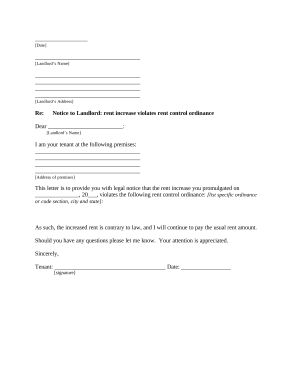
  2. Preview your document to ensure it’s what you want, and click Get Form to begin working on it.
  3. Edit, include new text, or point out important information with DocHub features.
  4. Complete your form and preserve the adjustments.
  5. Download or share your form with other recipients.

Explore all of the possibilities for your online document management with the Tenant Protection Notices. Get your free free DocHub account right now!


Video Guide on Tenant Protection Notices management

video background

Commonly Asked Questions about Tenant Protection Notices

the landlord of an intention not to renew the lease. (General Obligations Law 5-905). If you have lived in your apartment for less than one year, or have a lease for less than one year, your landlord must provide you with 30 days advanced notice before raising your rent or not renewing your lease.
The California Tenant Protection Act of 2019 (AB 1482) is a statewide law that goes into effect on January 1, 2020 and expires on January 1, 2030. It is amended by SB 567. Requires a landlord to have a just cause to terminate a tenancy.
Tenants Rights and Responsibilities. In New York City, tenants have many rights relating to the safety and quality of their housing. Tenants should expect to live in safe, well-maintained buildings that are free from vermin, leaks, and hazardous conditions. Laws protect tenants from harassment and discrimination.
The TPA applies to most properties in California, but there are some exceptions including: properties that are less than 15 years old (unless a mobile home), some types of government-subsidized housing, or housing where rent is already limited to provide affordable housing to very low, low, and moderate-income
California law limits the amount a landlord can raise a renters rent. Rent cannot be raised over any 12-month period more than the rate of inflation (Consumer Price Index or CPI.tenantprotections.org/calculator) + 5%. In no case can it be more than 10%.
Under the new Good Cause Eviction law, New Yorkers have the right to continue living in their homes without fear of unreasonable eviction or extreme rent increases. In many situations, tenants of market rate housing will now be covered by more expansive protections. Read below for details.
Californias Tenant Protection Act (AB 1482) provides basic protections for renters against extreme rent increases and unfair evictions. A new law (SB 567) makes important changes that take effect April 1, 2024. Read more about renters rights in California under this new law. Renters Rights under the Tenant Protection Act (2024) publicadvocates.org resources library publicadvocates.org resources library
The Tenant Protection Act (TPA), effective as of January 1, 2020, creates statewide protections against excessive rent increases and requires just cause to evict tenants in residential rental properties. The Tenant Protection Act Your Obligations as a Landlord or ca.gov system files media Tenant-Prot ca.gov system files media Tenant-Prot
As of April 1, 2024, SB567 requires that the landlord comply with far more specific requirements before they or a family member can move into an occupied, covered unit to justify a just cause for eviction.
If you have been living in your home for over a year, your landlord must give at least 60 days notice. If you have been living in your home for more than 2 years, your landlord must give at least 90 days notice. rent as a security deposit. When you move out, they must return the security deposit within 14 days.