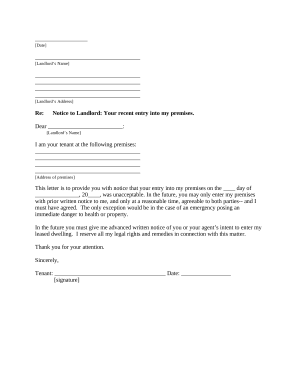
Boost your work productivity with Tenant Letters to Landlord

Record management takes up to half of your business hours. With DocHub, it is easy to reclaim your office time and increase your team's productivity. Get Tenant Letters to Landlord category and investigate all form templates relevant to your day-to-day workflows.

Easily use Tenant Letters to Landlord:

  1. Open Tenant Letters to Landlord and utilize Preview to obtain the appropriate form.
  2. Click Get Form to begin working on it.
  3. Wait for your form to open in the online editor and start editing it.
  4. Add new fillable fields, icons, and images, modify pages order, and many more.
  5. Fill your file or set it for other contributors.
  6. Download or share the form by link, email attachment, or invite.

Improve your day-to-day document management using our Tenant Letters to Landlord. Get your free DocHub account right now to explore all forms.

Video Guide on Tenant Letters to Landlord management

video background

Commonly Asked Questions about Tenant Letters to Landlord

A professional complaint letter to landlords should include: Lots of detail about the problem(s), including dates, times and the names of people involved. Evidence (pictures, text message screenshots, etc.) How the problem is affecting you. Steps necessary to resolve the problem.
Document the issue with photos or videos, if possible. Write a clear and concise letter to your landlord, describing the problem and its impact on your living situation. Provide a reasonable timeline for the repairs to be completed. Keep a copy of the letter for your records and follow up if necessary.
[Talk about your interests/hobbies, your schedule, how you get along with neighbors, how you take care of the place you live/pick up trash/keep noise to a minimum, get involved in your community, pay your bills on time, etc. Renter Resume Cover Letter virginia.gov assets housingresumepacket virginia.gov assets housingresumepacket
You should say something like: I am giving 1 months notice to end my tenancy, as required by law. I will be leaving the property on (date xx). I would like you to be at the property on the day I move out to check the premises and for me to return the keys.
Any time you write a letter or email to your landlord, keep your language clear and concise to eliminate any potential for confusion. Include relevant details such as the date of writing, the dates of any instances referenced within the letter, and your contact information and unit number. How to Write A Letter or Email to Your Landlord With 8 Samples - Flex getflex.com blog letter-email-to-landlord getflex.com blog letter-email-to-landlord
Document the issue with photos or videos, if possible. Write a clear and concise letter to your landlord, describing the problem and its impact on your living situation. Provide a reasonable timeline for the repairs to be completed. Keep a copy of the letter for your records and follow up if necessary. How to Write a Letter to Landlord: Pay rent, repair, and Landlord Duties martinezlawcenter.com how-to-write-a-letter-to-l martinezlawcenter.com how-to-write-a-letter-to-l
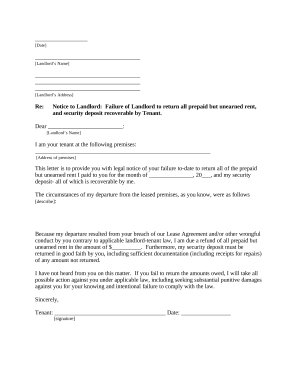
Follow These Steps for Tenant Letters Keep letters consistent by including the following elements: Tenants name and full address. The date. A subject line that summarizes the information. The landlords expectations (pay the rent, stop breaking a rule, etc.)
When writing a letter to your landlord, be sure to include the following elements: Your full name and rental address. The date of the letter. A clear and concise subject line. A polite and professional tone throughout the letter. Specific details about your request or concern. A proposed solution or timeline, if applicable.
What to Include in Your Complaint Letter to a Property Manager A clear statement of the issue. Make sure to include a clear and concise statement of the problem you are experiencing. Include your expectations or requests. Attach evidence, if applicable. Include a deadline.
Typical Hardship Letters outline your situation before the hardship occurred, and then describes your current financial situation and why you are unable to meet the payments due. Some common reasons for writing a Hardship Letter include injury, loss of job, economic downturn, an illness to you or a family member, etc.