Get and handle Rental Agreement Violations online

Speed up your form administration with our Rental Agreement Violations online library with ready-made form templates that suit your needs. Get your document, modify it, complete it, and share it with your contributors without breaking a sweat. Begin working more effectively with your documents.

The best way to manage our Rental Agreement Violations:

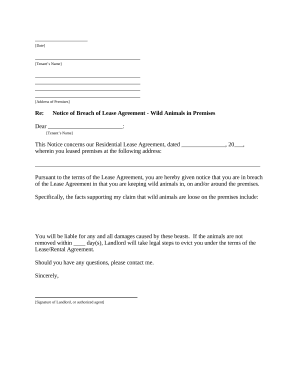
  1. Open our Rental Agreement Violations and find the form you need.
  2. Preview your document to ensure it’s what you want, and click Get Form to begin working on it.
  3. Modify, add new text, or point out important information with DocHub tools.
  4. Prepare your form and preserve the adjustments.
  5. Download or share your form template with other people.

Discover all the possibilities for your online file management with our Rental Agreement Violations. Get a totally free DocHub account today!


Video Guide on Rental Agreement Violations management

video background

Commonly Asked Questions about Rental Agreement Violations

Under the new Good Cause Eviction law, New Yorkers have the right to continue living in their homes without fear of unreasonable eviction or extreme rent increases. In many situations, tenants of market rate housing will now be covered by more expansive protections. Read below for details.
New York landlords must follow a strict legal process for evictions, which includes serving proper notices, filing a court action, and obtaining a court order before an eviction can take place. Self-help measures such as changing locks or physically removing a tenant are illegal.
In rent controlled apartments statewide and in rent stabilized apartments outside New York City, a landlord may not evict a senior citizen, a person living with a disability, or any person who has been living in the apartment for 15 years or more for purposes of owner occupancy (NYC Admin.
If you have been living in your home for over a year, your landlord must give at least 60 days notice. If you have been living in your home for more than 2 years, your landlord must give at least 90 days notice. rent as a security deposit. When you move out, they must return the security deposit within 14 days.
A month-to-month tenancy may be terminated by either party. If the landlord plans to terminate, they must give notice on the same timeline as terminating non-regulated leases (as described on the previous page). Outside of New York City, the tenant must give one months notice to terminate the tenancy.
In New York 5 Page 9 City, 30 days notice is required, rather than one month. Landlords do not need to explain why the tenancy is being terminated, they only need to provide notice that it is, and that refusal to vacate will lead to eviction proceedings.