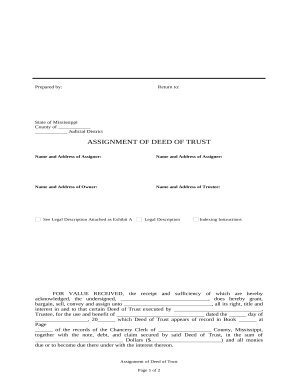
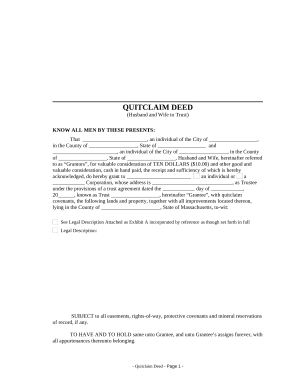
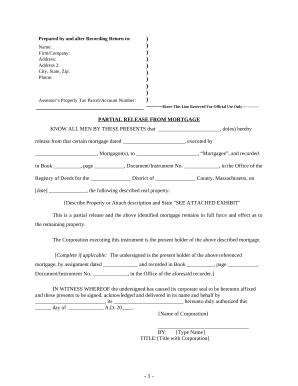
Get and manage Real Estate Trust Forms online

Boost your document administration with our Real Estate Trust Forms library with ready-made document templates that meet your requirements. Access the document, alter it, complete it, and share it with your contributors without breaking a sweat. Start working more efficiently with your forms.

How to use our Real Estate Trust Forms:

  1. Open our Real Estate Trust Forms and look for the form you require.
  2. Preview your document to ensure it’s what you want, and click on Get Form to begin working on it.
  3. Edit, add new text, or highlight important information with DocHub tools.
  4. Prepare your form and preserve the changes.
  5. Download or share your form with other people.

Examine all the opportunities for your online file administration with our Real Estate Trust Forms. Get your totally free DocHub account right now!


Video Guide on Real Estate Trust Forms management

video background

Commonly Asked Questions about Real Estate Trust Forms

One type of trust that helps protect assets is an intentionally defective grantor trust (IDGT). Any assets or funds put into an IDGT arent taxable to the grantor (owner) for gift, estate, generation-skipping transfer tax, or trust purposes.
The state has not adopted the Uniform Probate Code, so having a living trust could be very useful for your heirs after youve died, as it will allow them to avoid a potentially lengthy and costly probate process. You can create your living trust yourself, but, like any estate planning activity, it can get tricky.
Between the two main types of trusts, revocable trusts are the most common. This is primarily due to the level of flexibility they provide. In a revocable trust, the trustor (or the person who created the trust) has the option to modify or cancel the trust at any time during their lifetime.
The assets you cannot put into a trust include the following: Medical savings accounts (MSAs) Health savings accounts (HSAs) Retirement assets: 403(b)s, 401(k)s, IRAs. Any assets that are held outside of the United States. Cash. Vehicles.
Benefits of a Trust There are many types of trusts, but the revocable living trust is probably the most common and useful for holding title to real estate. The major benefit from holding property in a trust is that the property avoids probate after your death.
Real estate trust means an arrangement evidenced by a writing, the purposes of which include the ownership of real estate and the creation and management of a condominium, under which arrangement one or more trustees are empowered to hold legal title to real estate for the benefit of beneficiaries. Real estate trust Definition | Law Insider lawinsider.com dictionary real-estate-trust lawinsider.com dictionary real-estate-trust
Irrevocable trusts This can give you greater protection from creditors and estate taxes. As stated above, you can set up your will or revocable trust to automatically create irrevocable trusts at the time of your death.
Revocable, or living, trusts can be modified after they are created. Revocable trusts are easier to set up than irrevocable trusts. Irrevocable trusts cannot be modified after they are created, or at least they are very difficult to modify. Irrevocable trusts offer estate tax benefits that revocable trusts do not.
The best kind of trust depends on your goals. Someone who is focused on avoiding estate tax or making sure their assets are outside of the docHub of creditors may want to choose an irrevocable trusteven though that means they cant change the trust, so they are limited with what they can do with their assets.