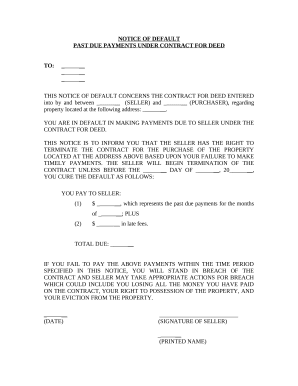
Enhance your output with Real Estate Default Notice

Document management takes up to half of your office hours. With DocHub, it is easy to reclaim your office time and increase your team's efficiency. Access Real Estate Default Notice online library and check out all document templates relevant to your everyday workflows.

The best way to use Real Estate Default Notice:

  1. Open Real Estate Default Notice and use Preview to obtain the appropriate form.
  2. Click Get Form to begin working on it.
  3. Wait for your form to upload in the online editor and begin editing it.
  4. Add new fillable fields, symbols, and pictures, change pages order, and many more.
  5. Complete your form or set it for other contributors.
  6. Download or share the form by link, email attachment, or invite.

Improve your everyday document management with our Real Estate Default Notice. Get your free DocHub account right now to explore all forms.


Video Guide on Real Estate Default Notice management

video background

Commonly Asked Questions about Real Estate Default Notice

Dear Sir/Madam, I entered into [an/the attached] agreement with you on [date] [invoice number can be added in brackets if necessary]. [You/name of company] failed to comply with the agreement. The agreement obliges [you/name company] to [explain the obligations the party has failed to comply with.
The notice itself is not registered on your credit file but if you dont settle the debt within 14 days of getting the notice, the actual default will be registered, and it will reduce your credit rating when it is. If a default is registered on your credit file, it will remain there for 6 years.
About 90 days after the bank files the notice of default, they will file a notice of sale. This will specify the date, time, and place for your home to be auctioned.
Receiving a default notice is serious and can result in your creditor passing on your debt to a debt collection agency, or even starting legal proceedings against you to recover the debt.
In the context of mortgage foreclosure, a notice of default is a formal notice that a lender filed with courts to notify the borrower who has failed to make payments that the lender intends to conduct a sale foreclosure.
A default notice is a notice informing you of your overdue payment and requesting payment of that amount. If you receive a default notice you should: Pay the amount owed and your usual repayment within 30 days.
You have four main options to deal with a default judgment: Accept the judgment. Settle the judgment for less. Challenge the judgment. Pursue debt relief.