Raise your production with Property Rights and Regulations

Form managing consumes to half of your office hours. With DocHub, it is simple to reclaim your time and effort and boost your team's productivity. Access Property Rights and Regulations collection and explore all templates related to your everyday workflows.

Easily use Property Rights and Regulations:

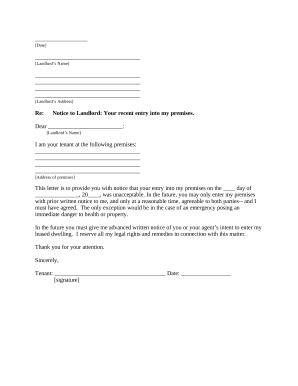
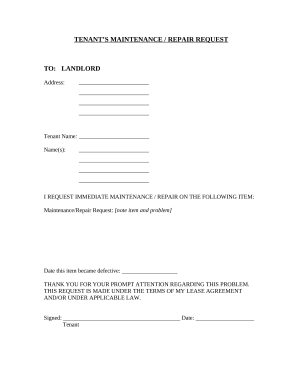
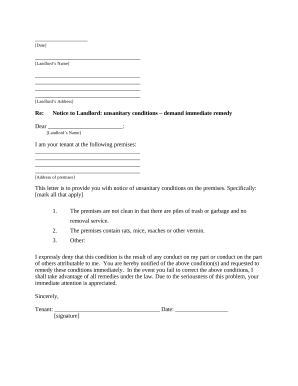
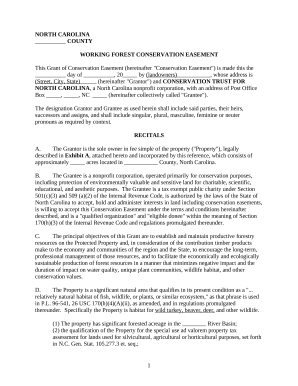
  1. Open Property Rights and Regulations and use Preview to get the relevant form.
  2. Click Get Form to begin working on it.
  3. Wait for your form to upload in the online editor and begin modifying it.
  4. Add new fillable fields, symbols, and pictures, change pages, etc.
  5. Fill your document or set it for other contributors.
  6. Download or deliver the form by link, email attachment, or invite.

Speed up your everyday file managing with the Property Rights and Regulations. Get your free DocHub account right now to explore all templates.


Video Guide on Property Rights and Regulations management

video background

Commonly Asked Questions about Property Rights and Regulations

When property is transferred without the consent of its owner and without compensation, whether by force or by fraud, from the one who possesses it to anyone who has not created it, I say that property rights have been violated, that plunder has been committed.
First, it states that a person may not be deprived of property by the government without due process of law, or fair procedures. In addition, it sets limits on the traditional practice of eminent domain, such as when the government takes private property to build a public road.
Furthermore, the California Constitution protects your right to acquire, use and protect your property. ingly, you have the right to protect your property against destruction or damage from private individuals and public actors.
Thus, the three basic elements of private property are (1) exclusivity of rights to choose the use of a resource, (2) exclusivity of rights to the services of a resource, and (3) rights to exchange the resource at mutually agreeable terms.
Private property rights are important in our society and are an essential part of the allure of owning real estate. Property owners typically have several rights, including the right of possession, control, exclusion, enjoyment and disposition.
A property owner in California enjoys a number of rights collectively known as the bundle of rights. These five rights associated with owning real property are: (1) possession; (2) control; (3) exclusion; (4) enjoyment and (5) disposition.
They found that exceptional companies, when faced with difficult decisions, follow three rules: Better before cheaper. They rarely compete on price. Revenue before cost. They drive profits through price and volume, not thrift. There are no other rules.
In this Article, we demonstrate that every property question invariably involves three distinct dimensions: (1) the number of owners, (2) the scope of owners dominion and (3) asset configuration.