Get and handle Property Ownership Transfers online

Speed up your document operations with our Property Ownership Transfers online library with ready-made form templates that meet your requirements. Get the form template, modify it, complete it, and share it with your contributors without breaking a sweat. Start working more efficiently together with your forms.

How to use our Property Ownership Transfers:

  1. Open our Property Ownership Transfers and search for the form you want.
  2. Preview your form to ensure it’s what you want, and click on Get Form to begin working on it.
  3. Modify, add new text, or point out important information with DocHub features.
  4. Prepare your form and preserve the modifications.
  5. Download or share your document with other people.

Explore all of the opportunities for your online document administration with the Property Ownership Transfers. Get a totally free DocHub profile right now!


Video Guide on Property Ownership Transfers management

video background

Commonly Asked Questions about Property Ownership Transfers

Joint Tenancy Definition Common Use: This form of ownership is popular among married couples or family members, as it ensures that the property passes to the surviving owner(s) without the need for probate. Legal Implications: In Joint Tenancy, each owner has an undivided interest in the entire property.
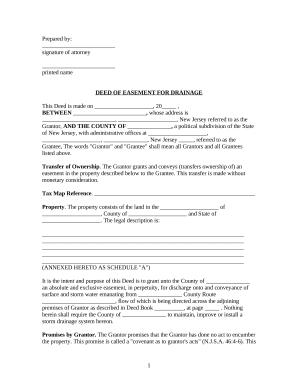
For property transfers in a sale transaction, the most common document is a Grant Deed. For other types of transfer, a Quitclaim Deed is often used. How To Transfer Property Title In California: Steps Costs reneewhiteteam.com guides how-to-trans reneewhiteteam.com guides how-to-trans
Conveyance is the act of transferring property from one party to another. The term is commonly used in real estate transactions when buyers and sellers transfer ownership of land, building, or home. A conveyance is done using an instrument of conveyancea legal document such as a contract, lease, title, or deed.
Acquisition by purchase is the most common way we acquire personal property, but there are at least five other ways to legally acquire personal property: (1) possession, (2) finding lost or misplaced property, (3) gift, (4) accession, and (5) confusion.
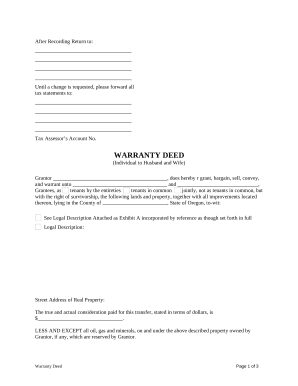
Common Methods of Property Transfer in California Grant Deeds. A Grant Deed is a crucial tool in California property transfers. Quitclaim Deeds. Quitclaim Deeds take a different approach to property transfers. Warranty Deeds. Warranty Deeds provide a robust layer of protection for property buyers.
Step 2: Obtain a No Objection Certificate (NOC) from the RTO if the vehicle is registered in another state. Step 3: Fill out Form 29 and Form 30 with the necessary details. Step 4: Get the required documents verified by the RTO. Step 5: Pay the applicable transfer fee as required by the RTO.
The most common way to transfer property is through a general warranty deed (sometimes called a grant deed). A general warranty deed guarantees good title from the beginning of time.
Family members can transfer property to one another without estate tax penalties by putting the property into a trust. When placed into an irrevocable trust, the property is no longer considered part of your estate after you die.
Today, Californians most often transfer title to real property by a simple written instrument, the grant deed. The word grant is expressly designated by statute as a word of conveyance. (Civil Code Section 1092) A second form of deed is the quitclaim deed.