Type text, add images, blackout confidential details, add comments, highlights and more.
02. Sign it in a few clicks
Draw your signature, type it, upload its image, or use your mobile device as a signature pad.
03. Share your form with others
Send it via email, link, or fax. You can also download it, export it or print it out.
How to use or fill out grant sale deed with our platform
Ease of Setup
DocHub User Ratings on G2
Ease of Use
DocHub User Ratings on G2
Click ‘Get Form’ to open the grant sale deed in the editor.
Begin by filling in the APN# and the details of the person requesting the recording. Enter their name, address, city/state/zip in the designated fields.
In the 'Grantors' section, input the names of all parties involved, including husband and wife if applicable. Ensure that you accurately reflect their legal names.
Next, provide the name of the 'Grantee' along with their address. This identifies who is receiving ownership of the property.
Fill in the property description and include any relevant legal descriptions as outlined in Exhibit A. This is crucial for identifying the specific property being conveyed.
Complete the derivation section by noting how this property was previously conveyed to you, including dates and recording information.
Finally, ensure all grantors sign and date at the bottom of the form. Notary acknowledgment is also required; make sure to fill in notary details accurately.
Start using our platform today to easily complete your grant sale deed online for free!
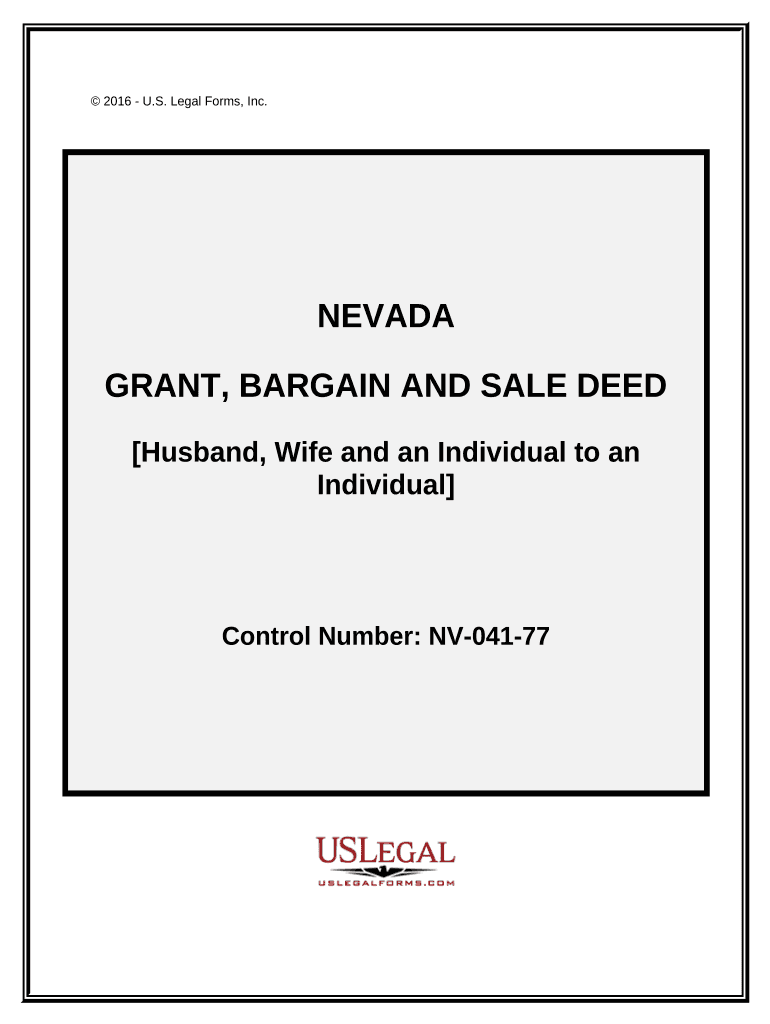
Grant sale deed templateGrant sale deed sampleGrant sale deed pdfGrant sale deed exampleIs a grant deed proof of ownershipWhen is a grant deed issuedGrant deed vs warranty deedGrant bargain sale deed nevada template
Security and compliance
At DocHub, your data security is our priority. We follow HIPAA, SOC2, GDPR, and other standards, so you can work on your documents with confidence.
Jan 30, 2020 GRANT, BARGAIN, SALE DEED. Grant, Bargain, Sell and Convey to the Board of Regents of the Nevada System of Higher Education, for and on behalf
A buyer, who in good faith has made improvements to the property, is also entitled to receive the reasonable value of those improvements upon rescission of the.Read more
Cookie consent notice
This site uses cookies to enhance site navigation and personalize your experience.
By using this site you agree to our use of cookies as described in our Privacy Notice.
You can modify your selections by visiting our Cookie and Advertising Notice.