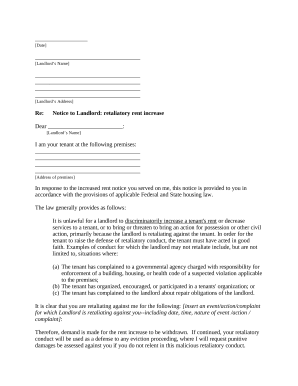
Get and handle Pennsylvania Landlord Tenant Laws online

Improve your file administration using our Pennsylvania Landlord Tenant Laws category with ready-made form templates that meet your requirements. Access the document, edit it, fill it, and share it with your contributors without breaking a sweat. Start working more effectively with the documents.

How to use our Pennsylvania Landlord Tenant Laws:

  1. Open our Pennsylvania Landlord Tenant Laws and find the form you need.
  2. Preview your document to ensure it’s what you want, and click on Get Form to start working on it.
  3. Modify, add new text, or highlight important information with DocHub features.
  4. Complete your form and preserve the adjustments.
  5. Download or share your form with other people.

Explore all the possibilities for your online file management using our Pennsylvania Landlord Tenant Laws. Get a totally free DocHub profile today!


Video Guide on Pennsylvania Landlord Tenant Laws management

video background

Commonly Asked Questions about Pennsylvania Landlord Tenant Laws

How much notice does a landlord have to give a tenant to move out in Pennsylvania? In the state of Pennsylvania, for a lease that is one year or less in length, a landlord can give a tenant 15-day notice to leave. For leases over one year, landlords can give a 30-day notice to leave from the date the lease ends.
YOUR LANDLORD CAN ONLY EVICT YOU BY GOING TO COURT, which usually involves these important steps: 1. Written notice. Unless your lease says otherwise, your landlord must give you a written notice before filing an eviction case against you.
Steps of Eviction Process in Pennsylvania. After the Notice to Quit has been served and the period has passed without resolution, the landlord can file an official Landlord-Tenant Complaint. On average, it takes about 1 to 2 months total for a complete eviction process in Pennsylvania.
Pennsylvania law mandates that landlords provide tenants with a habitable property that meets basic health and safety standards. This includes providing essential services like heat, water, and electricity and maintaining the property in a safe and livable condition.
Notice Requirements For a periodic lease (e.g. month-to-month), Pennsylvania law requires tenants to provide their landlord with written notice at least 30 days before the desired termination date. Landlords must give tenants 30 days notice for a yearly lease and 15 days notice for a monthly lease.
If the eviction is NOT for failure to pay rent, the landlord must give you 15 days notice if the lease is for 1 year or less, and 30 days notice if the lease is for more than 1 year. If the eviction is for nonpayment of rent, the landlord must give you 10 days notice.
If you do not have a written lease, in most circumstances the law considers you to have an oral month-to-month lease. Either you or your landlord can end the lease at the end of any month, for any reason or for no reason.
Landlords in PA cannot collect more than two months rent for security deposits during the first year of tenancy. They are also required to return security deposits within certain timelines after a tenant moves out and must provide proper notice before any rent increase, ensuring the increase is not retaliatory.