Improve your document management with North Carolina Family Law

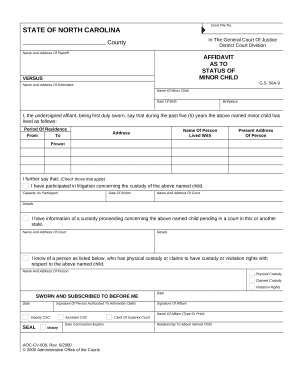
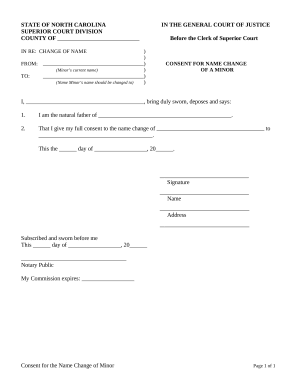
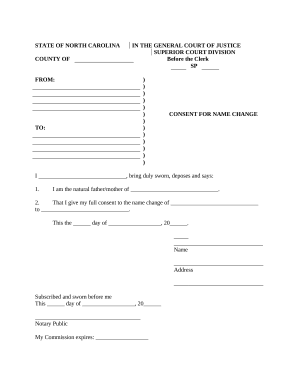
Your workflows always benefit when you can easily find all of the forms and files you require at your fingertips. DocHub supplies a a huge library of templates to ease your daily pains. Get hold of North Carolina Family Law category and quickly find your form.

Begin working with North Carolina Family Law in a few clicks:

  1. Open North Carolina Family Law and locate the document you require.
  2. Click on Get Form to open it in the editor.
  3. Begin modifying your document: add more fillable fields, highlight paragraphs, or blackout sensitive info.
  4. The app saves your modifications automatically, and once you are ready, you are able to download or distribute your file with other contributors.

Enjoy fast and easy record management with DocHub. Discover our North Carolina Family Law category and locate your form today!


Video Guide on North Carolina Family Law management

video background

Commonly Asked Questions about North Carolina Family Law

A father has the same legal rights as the mother. He has a right to visitation, custody, and child support, just as a mother would. In North Carolina, there is no rule that the mother should be awarded custody. Both parents are considered equal unless there is a determination of abuse or unfitness.
North Carolina Family Law: An Overview. By LawInfo Staff. Some of the most common cases brought to North Carolina courthouses include divorces, child custody and support and marital property division. These and other topics including marriage, adoption, prenuptial agreements are frequent family law issues.
A parent who has willfully abandoned a child for at least 6 consecutive months (or an infant for at least 60 consecutive days) can have their parental rights terminated. Abandonment involves a parents intention to give up their parenting duties and claims. This generally requires showing more than simple neglect.
Judges decide child custody based on the best interests of the child. This decision can include many factors, such as the parents living arrangements, each parents ability to care for the child, the childs relationship with each parent, and any other factors affecting the welfare of the child.
Unfortunately, without proof, there are no legal grounds to withhold visitation, even if you have a strong hunch. The best you can do in the circumstances is try to document and collect evidence and then present it to court so that the custody order is modified to prevent the other parent from seeing the children.
Custody and Visitation Law for Unmarried Parents Custody and visitation decisions are the same for married or unmarried parents. The court looks for the best interest of the child. There is no such presumption that the primary right will be with her mother.
Fathers Have Equal Rights to Custody and Visitation Fathers and mothers have equal rights to child custody both physical custody (where the child lives) and legal custody (decision-making authority). The law focuses on what serves the best interests of the child.
Child custody includes the right to make major life decisions about a child and the right to have the child in your care. Visitation is a secondary form of custody, which includes the right to visit with a child at times set forth in a court order, sometimes under specific conditions.