Get and handle New Jersey Tenant Forms online

Accelerate your file operations using our New Jersey Tenant Forms collection with ready-made form templates that meet your needs. Access your document, alter it, complete it, and share it with your contributors without breaking a sweat. Begin working more effectively with your forms.

The best way to use our New Jersey Tenant Forms:

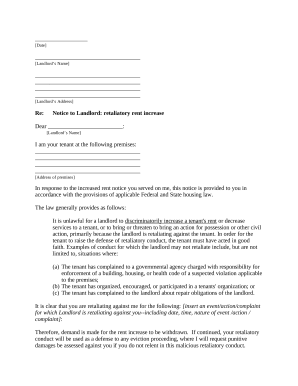
  1. Open our New Jersey Tenant Forms and look for the form you require.
  2. Preview your document to ensure it’s what you want, and click on Get Form to begin working on it.
  3. Change, include new text, or highlight important information with DocHub features.
  4. Complete your form and preserve the changes.
  5. Download or share your form with other recipients.

Explore all the opportunities for your online document management with our New Jersey Tenant Forms. Get a free free DocHub account right now!


Video Guide on New Jersey Tenant Forms management

video background

Commonly Asked Questions about New Jersey Tenant Forms

However, its important to know that even without a lease your landlord is still required to give you a 30-day notice for ending your lease or for increasing your rent. If you refuse to pay the increase in your rent, the landlord has the right to legally begin the eviction process.
A one-month notice to quit is required for a month-to-month tenancy. lockouts made by the landlord are illegal in New Jersey. If a landlord attempts a self-help eviction or lockout, the tenant should call the police.
Thirty-Day Notice to Quit: The landlord can give the tenant a 30-day notice to quit if the tenant continues to violate the lease or rental agreement, despite repeated warnings, or if the tenant habitually pays rent late.
What is required to rent an apartment in NJ? To rent in NJ, you need a filled-out application, proof of income (like pay stubs), consent for credit and background checks, and often a rental history report.
But if they stay in the property even a day after their lease/rental agreement ends and have not arranged for renewal, landlords can issue a written notice to the tenant to move. Some of the notices include a 7-Day Notice to Quit, a 30-Day Notice to Quit, or a 90-Day Notice to Quit.
A landlord cannot evict tenants or remove their belongings from a rental home without first getting a judgment for possession and then a warrant of removal from the court. Only a special civil part officer can perform the eviction on behalf of a landlord.
Landlords in New Jersey cannot violate the implied warranty of habitability, discriminate against tenants, unjustly withhold security deposits, evict tenants without proper notice or due process, raise rent without giving proper notice, enter a tenants dwelling without reasonable notice except in emergencies, or