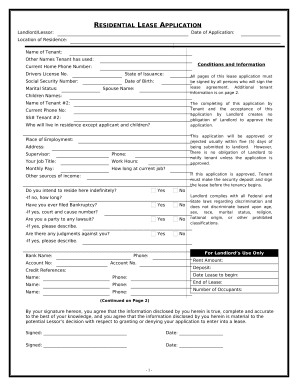
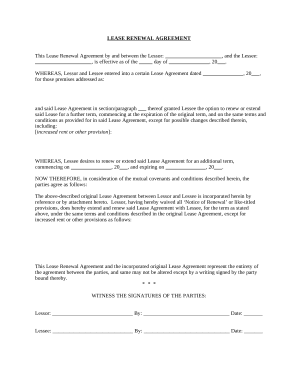
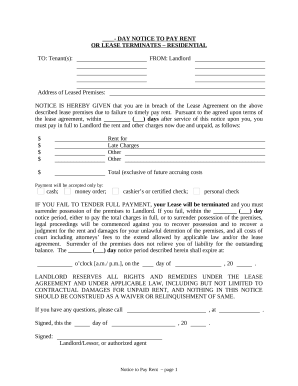
Get and handle New Jersey Residential Leases online

Improve your file administration with the New Jersey Residential Leases library with ready-made templates that meet your requirements. Access the document, change it, fill it, and share it with your contributors without breaking a sweat. Begin working more effectively with your forms.

How to use our New Jersey Residential Leases:

  1. Open our New Jersey Residential Leases and search for the form you require.
  2. Preview your form to ensure it’s what you want, and click Get Form to begin working on it.
  3. Change, include new text, or point out important information with DocHub tools.
  4. Prepare your form and save the changes.
  5. Download or share your form with other people.

Explore all the possibilities for your online document management with our New Jersey Residential Leases. Get your totally free DocHub account right now!

Video Guide on New Jersey Residential Leases management

video background

Commonly Asked Questions about New Jersey Residential Leases

The most common periodic tenancy is the month-to-month tenancy. rents causes the tenancy to be treated like a periodic tenancy (Civil Code Section 1946).
In a gross lease, the tenant pays a fixed price for rent, and the landlord is responsible for all operating expenses. This is the type of lease most common for residential properties and multifamily real estate because it is considered tenant-friendly.
The Eviction Process in NJ with No Lease Your landlord is required to go through the court in order to legally evict you.
A fixed-term lease is the most traditional lease. Theyre called fixed term because tenants and landlords are agreeing to abide by the lease for a fixed amount of time, normally six to 14 months.
Is NJ a Landlord-Friendly State? New Jersey is not generally considered a landlord-friendly state since there are many rent control policies that can affect how a landlord charges and increases rent for their property.
Explanation: A gross lease is a type of lease agreement where the landlord pays all the property expenses, including the property taxes, insurance, maintenance, and repairs. This type of lease is most often used with residential property (Option A).
Gross Lease Gross leases are most common for commercial properties such as offices and retail space. The tenant pays a single, flat amount that includes rent, taxes, utilities, and insurance. The landlord is responsible for paying taxes, utilities, and insurance from the rent fees.