

Handle Legal Property Forms effortlessly online

Document managing can overpower you when you can’t locate all of the documents you need. Luckily, with DocHub's extensive form library, you can discover everything you need and promptly manage it without the need of switching between applications. Get our Legal Property Forms and begin working with them.

Using our Legal Property Forms using these easy steps:

  1. Examine Legal Property Forms and select the form you need.
  2. Review the template and click Get Form.
  3. Wait for it to upload in the online editor.
  4. Adjust your template: include new information and pictures, and fillable fields or blackout some parts if necessary.
  5. Prepare your template, save changes, and prepare it for sending.
  6. When ready, download your form or share it with other contributors.

Try out DocHub and browse our Legal Property Forms category easily. Get your free account today!

Video Guide on Legal Property Forms management

video background

Commonly Asked Questions about Legal Property Forms

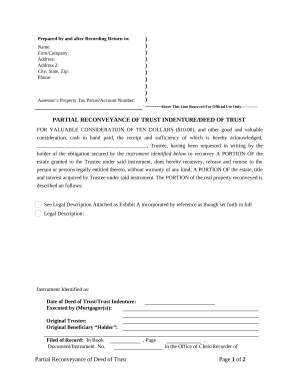
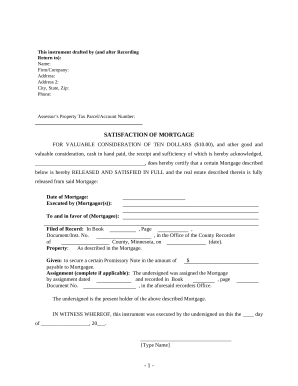
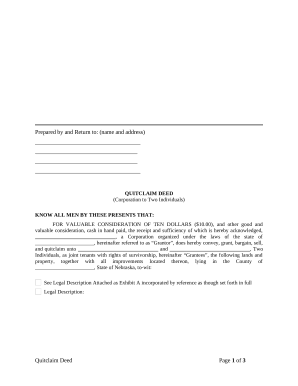
Legal documents, such as contracts and agreements, are mutual promises between two or more parties. They can be seen everywhere from business deals and employee contracts to residential leases and settlement agreements.
Some examples include individual contract clauses, licensing agreements, complaints, and interrogatories. Sample documents can be found in a number of places including law firm collections or knowledge management systems, and paid databases such as Lexis and Westlaw.
Free Legal Documents, Forms and Contracts Print or download your customized legal document in 5-10 minutes.Create and customize the right documents for your personal or professional life.
A legally binding document is one in which each party promises to obey or carry out an obligation. Both parties must fulfil the terms of the offer, consideration, and exchange.
Legal forms address substantive matters, such as forms for contracts, wills, and leases. Pleading and practice forms provide language used in pleadings and motions filed with a court in litigation. These supply language for complaints, answers, motions to dismiss, and other motions.
Heres how to write a legal document in 10 simple steps: Plan Out the Document Before You Begin. Write with Clear and Concise Language. Ensure the Correct Use of Grammar. Be as Accurate as Possible. Make Information Accessible. Ensure All Necessary Information Is Included. Always Use an Active Voice.
Important points to include in a legal document. Party details. List the names, numbers, addresses (email or physical), and any other relevant information of all parties involved. Background information. Motion. Roles and responsibilities. BdocHubes or contingencies. Dates and signatures.

