Improve your productiveness with Legal Forms for Real Estate Transactions

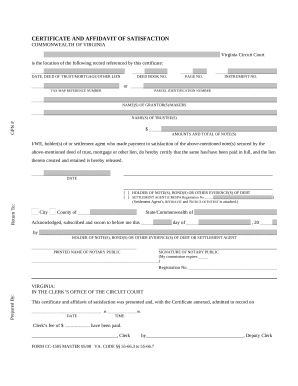
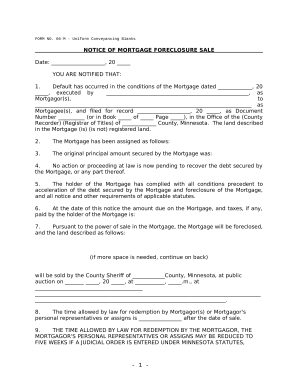
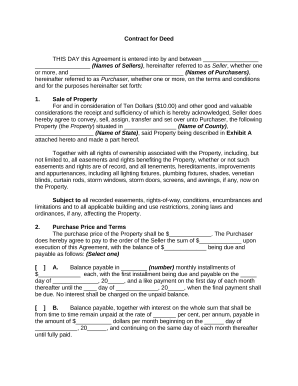
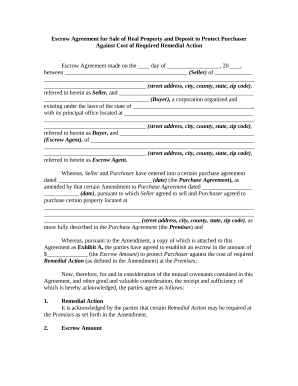
Papers managing occupies to half of your office hours. With DocHub, it is possible to reclaim your time and effort and boost your team's efficiency. Get Legal Forms for Real Estate Transactions category and investigate all templates relevant to your everyday workflows.

The best way to use Legal Forms for Real Estate Transactions:

  1. Open Legal Forms for Real Estate Transactions and employ Preview to find the relevant form.
  2. Click Get Form to start working on it.
  3. Wait for your form to open in our online editor and start modifying it.
  4. Add new fillable fields, icons, and pictures, change pages, etc.
  5. Fill your document or prepare it for other contributors.
  6. Download or share the form by link, email attachment, or invite.

Speed up your everyday document managing with the Legal Forms for Real Estate Transactions. Get your free DocHub profile today to discover all templates.


Video Guide on Legal Forms for Real Estate Transactions management

video background

Commonly Asked Questions about Legal Forms for Real Estate Transactions

If either the buyer or seller backs out without a legitimate reason and in violation of the contract terms, the consequences can be severe. The non-bdocHubing party may be entitled to damages, such as lost profits, costs associated with finding a new buyer or property, or even attorneys fees.
Sellers must also disclose if there have been any docHub alterations or repairs made to the property. Information about utilities and services, such as water supply and sewage disposal systems, must also be shared with potential buyers. Buyers who discover issues that should have been disclosed have legal rights.
The deed includes the name of the buyer and seller and a detailed description of the property. Most importantly, the deed must contain proper legal language that conveys the transfer of property.
This window of time is the statute of limitations. Depending on the type of case and claim, the statute of limitations in New York State for real estate transactions typically ranges from one year to six years or even 10 years in some cases.
Generally speaking, New York is a caveat emptor, or buyer beware state in reference to residential real estate transactions. In other words, the onus is on the buyer to conduct their due diligence before signing the Contract of Sale.
If you are selling a home in New York state, you will need to hire not only a real estate agent to market and negotiate offers on the property, but also an attorney to prepare the contract of sale and to represent you at the closing.
If you are buying or selling a home in the state of New York, it is required that you work with an attorney to process all contracts and represent you at the closing.
So how long are you liable after selling a house? Statutes of limitations mean you are typically liable for a property between two and ten years after the sale. When selling a home, you can limit your liability by disclosing everything you know and keeping records of what you disclosed.