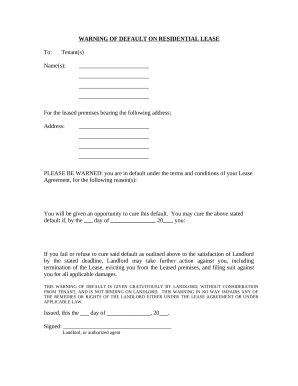
Handle Lease Default Notices easily online

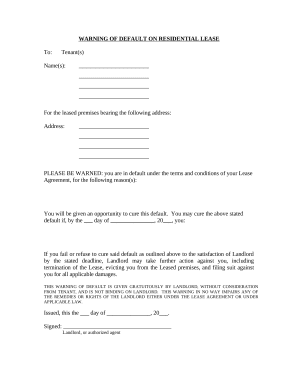
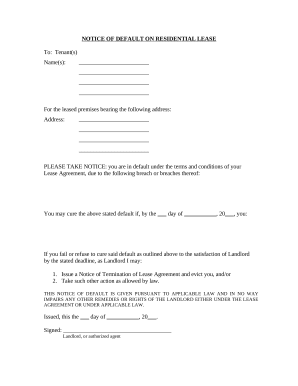
Document managing can overwhelm you when you can’t discover all the forms you require. Luckily, with DocHub's extensive form library, you can discover everything you need and promptly deal with it without the need of switching between programs. Get our Lease Default Notices and begin utilizing them.

How to use our Lease Default Notices using these easy steps:

  1. Examine Lease Default Notices and select the form you require.
  2. Review the template and then click Get Form.
  3. Wait for it to open in our online editor.
  4. Modify your form: include new information and pictures, and fillable fields or blackout some parts if required.
  5. Prepare your form, preserve adjustments, and prepare it for sending.
  6. When ready, download your form or share it with other contributors.

Try out DocHub and browse our Lease Default Notices category easily. Get a free account right now!

Video Guide on Lease Default Notices management

video background

Commonly Asked Questions about Lease Default Notices

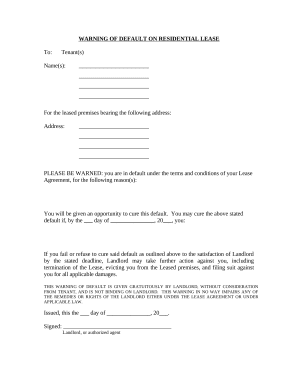
A statement, usually written, from one party to a contract to another, advising the recipient that he or she has failed to live up to a term or condition of the contract.
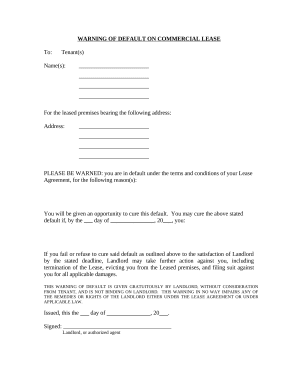
Commercial leases require an effective default clause that allows the landlord to force a tenant to comply with all lease obligations. The default clause commonly provides the procedure for obtaining an eviction or the threat of an eviction for a commercial tenants violation of the lease.
A default is a failure to fulfill an obligation. Defaulting is most common in regards to debtor-creditor law and contract law.
A default is a failure to comply with a provision in the lease. Curing or remedying the default means correcting the failure or omission. A common example is a failure to pay the rent on time.
Notice of Default Foreclosure starts when your lender records a Notice of Default against your property with the Registrar Recorders office. The Notice of Default tells you the total amount you owe including missed payments and foreclosure fees.
Receiving a notice of default doesnt impact your credit score. However, the associated late and missed payments will. These delinquencies are reported to major credit bureaus and can docHubly lower your credit score. The negative impact can remain on your credit report for years to come.
A notice of default is a formal notice that begins the foreclosure process. A mortgage lender or servicer can file this notice when a borrower is more than 120 days behind on paying their mortgage. If you dont address a notice of default, you could ultimately lose your home to foreclosure.
A notice of default is the final step of the mortgage foreclosure process. The notice of default includes information about the borrower and mortgage loan, such as the name and address of the borrower, a description of the property, and information about the lender.