

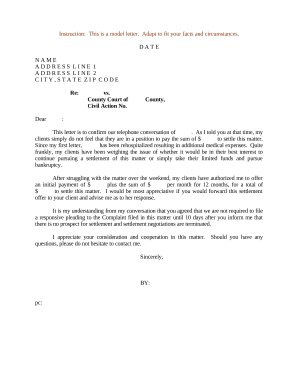
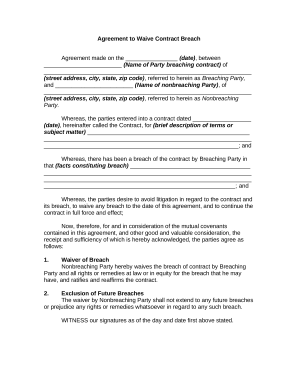
Boost your efficiency with Law and Legal Forms
Papers administration takes up to half of your office hours. With DocHub, it is simple to reclaim your time and increase your team's productivity. Get Law and Legal Forms collection and check out all document templates relevant to your daily workflows.
Effortlessly use Law and Legal Forms:
- Open Law and Legal Forms and apply Preview to find the suitable form.
- Click on Get Form to start working on it.
- Wait for your form to open in the online editor and begin modifying it.
- Add new fillable fields, icons, and images, modify pages, etc.
- Fill out your document or set it for other contributors.
- Download or share the form by link, email attachment, or invite.
Boost your daily file administration using our Law and Legal Forms. Get your free DocHub account today to explore all forms.
Video Guide on Law and Legal Forms management

Commonly Asked Questions about Law and Legal Forms
What does proper form mean in law?
Proper Form means in form, substance, and detail satisfactory to Lender in its sole discretion.
Which are the two major forms of law?
Two types of law - civil and cri. Criminal - state or federal prosecutors bring a case against a person charged with a major crime, called a felony. Civil - deals with lawsuits brought by individuals or the government against other individuals, organizations or companies.
What is an order form legal?
The purpose of an order form is to: order specific products or services from a seller. specify how many of each item is/are requested. communicate payment terms. act as a legally binding contract upon acceptance from the seller.
Is a form legally binding?
To be considered legally binding, a document must include the valid signatures of all parties entering into an agreement and outline all the duties and responsibilities each has to the other(s).
What is a legal form in law?
Legal forms address substantive matters, such as forms for contracts, wills, and leases. Pleading and practice forms provide language used in pleadings and motions filed with a court in litigation. These supply language for complaints, answers, motions to dismiss, and other motions.
How do you write a legal form?
Heres how to write a legal document in 10 simple steps: Plan Out the Document Before You Begin. Write with Clear and Concise Language. Ensure the Correct Use of Grammar. Be as Accurate as Possible. Make Information Accessible. Ensure All Necessary Information Is Included. Always Use an Active Voice.
Are law depot forms legal?
Q: Are Documents Legal? A: Yes, documents are legal and accepted in all 50 states, assuming you fill them out with the correct information.
What are law papers called?
Specific types of legal papers include but are not limited to articles of incorporation, derivative instruments, negotiable instruments, passports, ships papers, manifest, debenture, power of attorney, letters of administration, letters testamentary, working papers, enactment, bills, legal briefs, testaments,


