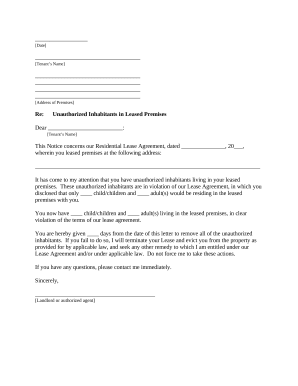
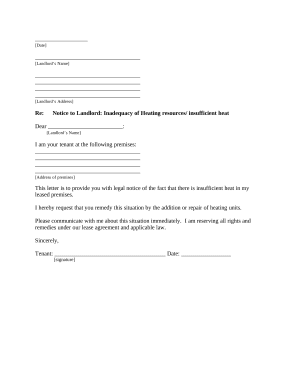
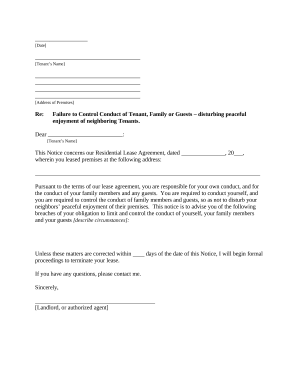
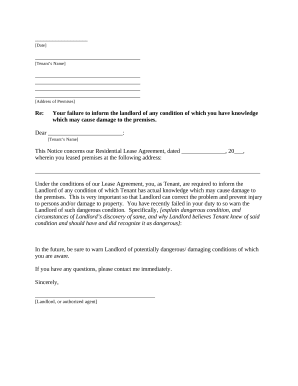
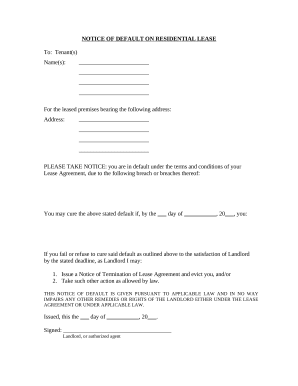
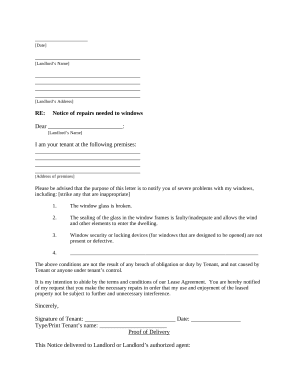
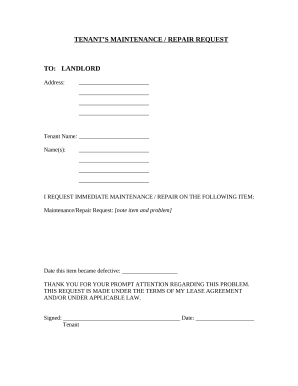
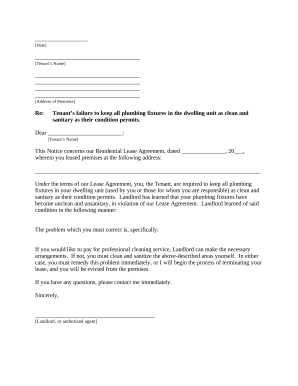
Increase your productivity with Landlord and Tenant Notices

Papers administration takes up to half of your office hours. With DocHub, you can reclaim your time and effort and boost your team's productivity. Access Landlord and Tenant Notices collection and explore all templates related to your day-to-day workflows.

The best way to use Landlord and Tenant Notices:

  1. Open Landlord and Tenant Notices and employ Preview to obtain the relevant form.
  2. Click Get Form to begin working on it.
  3. Wait for your form to open in our online editor and start modifying it.
  4. Add new fillable fields, symbols, and images, adjust pages order, etc.
  5. Fill out your file or set it for other contributors.
  6. Download or share the form by link, email attachment, or invite.

Speed up your day-to-day document administration using our Landlord and Tenant Notices. Get your free DocHub account right now to explore all forms.

Video Guide on Landlord and Tenant Notices management

video background

Commonly Asked Questions about Landlord and Tenant Notices

In New York 5 Page 9 City, 30 days notice is required, rather than one month. Landlords do not need to explain why the tenancy is being terminated, they only need to provide notice that it is, and that refusal to vacate will lead to eviction proceedings.
A 60-day notice is required for tenants who have lived in an apartment for more than one year, but less than two years, or have a lease of at least one year, but less than two years. Tenants who have lived in a unit for more than two years, or have a lease of at least two years, must get a 90-day notice.
Before they can raise your rent (by 5% or more), the landlord must give you: 90 days notice if you have lived in your apartment two years or more. 60 days notice if you have lived in your apartment for more than one year. 30 days notice if you have lived in your apartment for less than one year.
Landlords cant just enter a tenants apartment for any reason. State landlord-tenant laws mandate reasonable times a landlord enters. A right of entry must usually be preceded by proper notice, which in most cases is at least 24 hours notice.
Tenants have the right to privacy in their rented homes and can refuse entry to landlords who do not provide proper notice or have an illegitimate reason for entry. If this right is violated, tenants can take legal action to prevent continued violations and potentially seek damages.
If you have lived in your apartment for less than one year, or have a lease for less than one year, your landlord must provide you with 30 days advanced notice before raising your rent or not renewing your lease.