Handle Family_Law_Forms_US quickly online

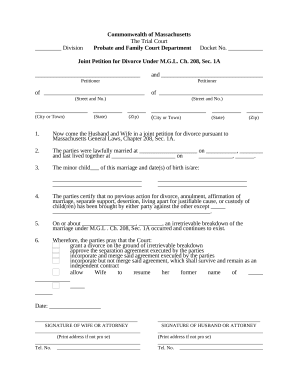
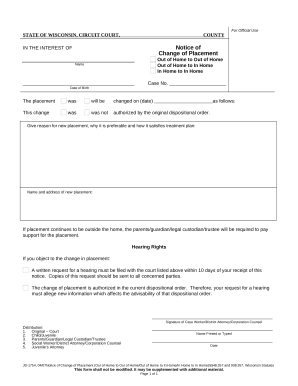
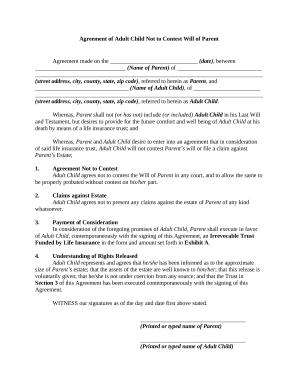
Document management can overpower you when you can’t discover all of the forms you need. Fortunately, with DocHub's extensive form library, you can discover all you need and quickly handle it without switching between apps. Get our Family_Law_Forms_US and begin working with them.

The best way to manage our Family_Law_Forms_US using these basic steps:

  1. Browse Family_Law_Forms_US and choose the form you need.
  2. Preview the template and then click Get Form.
  3. Wait for it to upload in the online editor.
  4. Adjust your form: add new information and pictures, and fillable fields or blackout some parts if required.
  5. Fill out your form, conserve adjustments, and prepare it for sending.
  6. When ready, download your form or share it with your contributors.

Try out DocHub and browse our Family_Law_Forms_US category easily. Get a free profile today!

Commonly Asked Questions about Family_Law_Forms_US

FORMS NEEDED TO FILE FOR CHILD CUSTODY/SUPPORT OF MINOR CHILDREN FORM NUMBERFORM NAME FL-300 Request for Order FL-303 Declaration Regarding Notice and Service of Request for Temporary Emergency (Ex Parte) Orders FL-305 Temporary Emergency (Ex Parte) Orders FL-150 Income and Expense Declaration9 more rows
5 Important Laws In The US Civil Rights Act (1964): In 1964, Congress passed Public Law 88-352 (78 Stat. Voting Rights Act (1965) This act was signed into law on August 6, 1965, by President Lyndon Johnson. Medicare and Medicaid acts (1965) National Defense Education Act (1958) Economic Recovery Tax Act (1981)
The family code applies to custody cases whether parents go to trial or negotiate an agreement. The judge must uphold the laws when making a custody decision and when approving a settlement agreement. Over time, state governments change their family codes to adapt to new family dynamics.
family law, body of law regulating family relationships, including marriage and divorce, the treatment of children, and related economic matters.
An in-law is someone who is a relative because of marriage, like your husbands sister or your wifes father. You can refer to your spouses entire family as your in-laws. In some countries, a married woman moves in with her in-laws, symbolically becoming part of their family.