

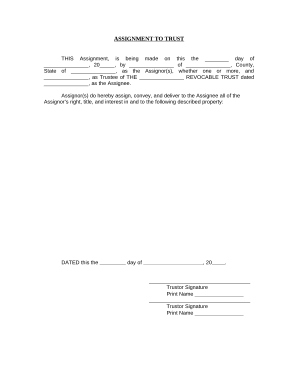
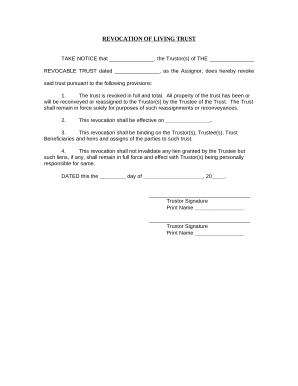
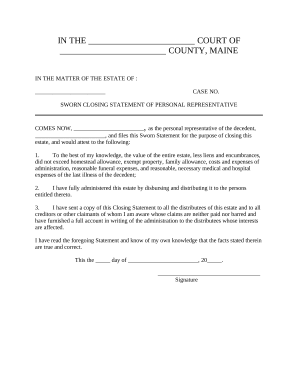
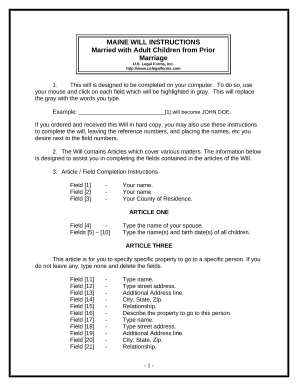
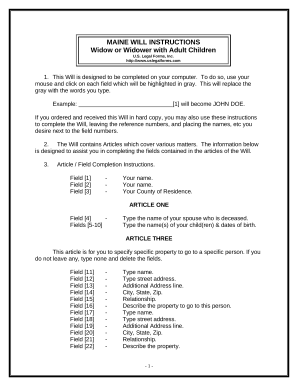
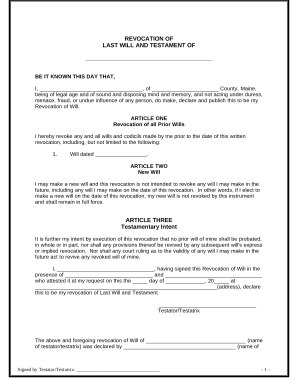
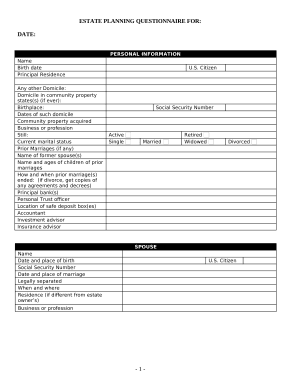
Boost your production with Estate Planning Documents

Form management consumes to half of your office hours. With DocHub, you can reclaim your time and effort and boost your team's productivity. Access Estate Planning Documents online library and discover all templates relevant to your daily workflows.

The best way to use Estate Planning Documents:

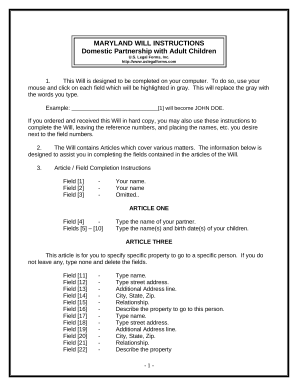
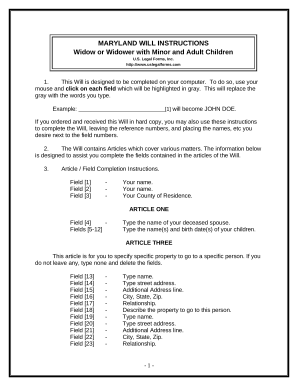
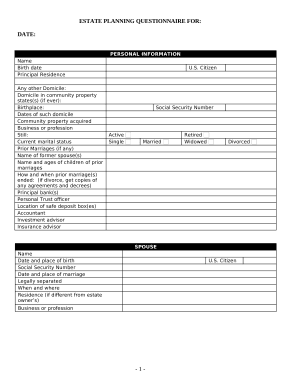
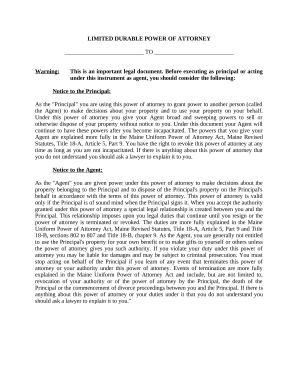
  1. Open Estate Planning Documents and utilize Preview to get the relevant form.
  2. Click Get Form to begin working on it.
  3. Wait for your form to upload in the online editor and begin editing it.
  4. Add new fillable fields, symbols, and images, modify pages, etc.
  5. Fill your document or set it for other contributors.
  6. Download or share the form by link, email attachment, or invite.

Improve your daily document management with our Estate Planning Documents. Get your free DocHub account today to discover all templates.


Video Guide on Estate Planning Documents management

video background

Commonly Asked Questions about Estate Planning Documents

Estate planning covers the transfer of property at death as well as a variety of other personal matters and may or may not involve tax planning. The core document most often associated with this process is your will.
Its a provision in the trust that grants a beneficiary the annual power to withdraw the greater of $5,000 or 5% of the trusts assets, while avoiding certain negative tax consequences (which are beyond the scope of this post) that might otherwise be applicable if the withdrawal right were exercised outside of those
These documents include a financial power of attorney, an advance care directive, and a living trust or a last will.
4 Documents Suze Orman Says You Need Will. A will is a legal document that, among other things, outlines where you want your assets to go after you die. Living Revocable Trust. Durable Power of Attorney for Healthcare. Advance Directive.
Estate Planning in Six Manageable Steps Who should make an estate plan? Start with an inventory of assets and liabilities. Create a comprehensive will. Make a medical plan. Provide specific instructions for personal property. Decide who will oversee your finances. Set up a plan for your digital estate.
Get a head-start on planning and follow these 7 easy steps: Take Inventory of Your Estate. First, narrow down what belongs to you. Set a Will in Place. Form a Trust. Consider Your Healthcare Options. Opt for Life Insurance. Store All Important Documents in One Place. Hire an Attorney from Angermeier Rogers.
7 doable steps to help you create a will List all your assets. These might include: Decide who benefits from your estate when you die. Choose guardians for minor children. Name an executor for your will. Create your own will or work with a professional. Make your will official. Update your will as needed.
Protect and Maximize Your Estate for Your Heirs In conclusion, when creating your estate plan, its crucial to prioritize these three key objectives: naming a trusted individual to handle your affairs, ensuring your estate goes to who you want it to, and protecting and maximizing your estate for your heirs.
