

Raise your output with End-of-Life Legal Documents

Form management consumes to half of your office hours. With DocHub, you can easily reclaim your time and effort and improve your team's productivity. Access End-of-Life Legal Documents collection and investigate all form templates relevant to your day-to-day workflows.

Easily use End-of-Life Legal Documents:

  1. Open End-of-Life Legal Documents and utilize Preview to find the relevant form.
  2. Click on Get Form to begin working on it.
  3. Wait for your form to upload in the online editor and begin modifying it.
  4. Add new fillable fields, symbols, and pictures, change pages, and many more.
  5. Fill out your file or set it for other contributors.
  6. Download or share the form by link, email attachment, or invite.

Boost your day-to-day document management with the End-of-Life Legal Documents. Get your free DocHub profile right now to discover all forms.


Video Guide on End-of-Life Legal Documents management

video background

Commonly Asked Questions about End-of-Life Legal Documents

If one family member is named as the decision-maker, it is a good idea, as much as possible, to have family agreement about the care plan. If family members cant agree on end-of-life care or they disagree with the doctor, your family might consider working with a mediator. Making Decisions for Someone at the End of Life National Institute on Aging - National Institutes of Health health making-decisions-so National Institute on Aging - National Institutes of Health health making-decisions-so
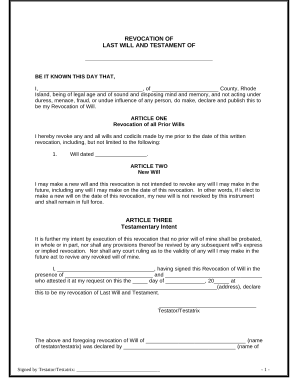
End-of-life planning checklist: A guide to the 12 documents you should consider Last will and testament. Revocable living trust. Beneficiary designations for non-probate assets. Durable financial power of attorney. Pet Trust. Durable medical power of attorney. Living will. Life insurance.
Common documents include a will, durable power of attorney for finances, and a living trust. Share this infographic to spread the word about getting your affairs in order. A will specifies how your estate your property, money, and other assets will be distributed and managed when you die. Getting Your Affairs in Order Checklist: Documents to Prepare National Institute on Aging (.gov) Advance care planning National Institute on Aging (.gov) Advance care planning
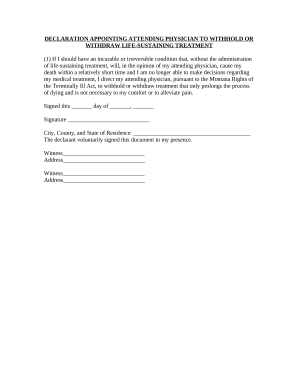
Living wills and other advance directives are written, legal instructions regarding your preferences for medical care if you are unable to make decisions for yourself. Living wills and advance directives for medical decisions Mayo Clinic living-wills art-20046303 Mayo Clinic living-wills art-20046303
Common documents include a will, durable power of attorney for finances, and a living trust. Share this infographic to spread the word about getting your affairs in order. A will specifies how your estate your property, money, and other assets will be distributed and managed when you die.
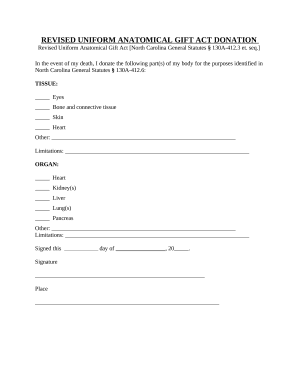
Living Will. A will is one of the most common documents you hear about when it comes to end-of-life planning. Last Will and Testament. Living Trust. Letter of Intent. Financial Power of Attorney. Health Care Power of Attorney. Letter of Competency. Organ Donor Card.
They can include a healthcare proxy (someone you designate to make decisions about your healthcare if you are incapacitated); a living will (guidelines about the type of care you want or do not want); and a Medical Orders for Life Sustaining Treatment (MOLST) form (a document signed by your doctor outlining the type of
Living Will. A will is one of the most common documents you hear about when it comes to end-of-life planning. Last Will and Testament. Living Trust. Letter of Intent. Financial Power of Attorney. Health Care Power of Attorney. Letter of Competency. Organ Donor Card. End of Life Document Checklist: A Complete Guide for Families Mesothelioma Center Support for Patients Mesothelioma Center Support for Patients