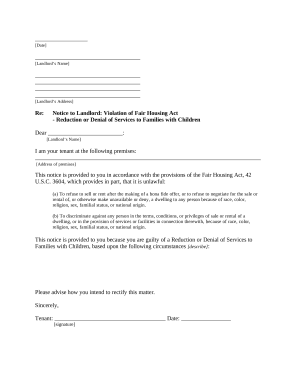
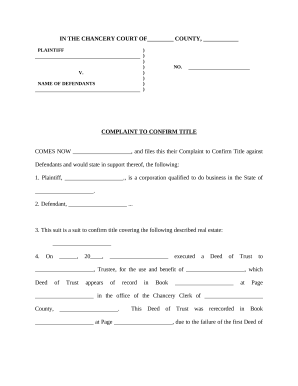
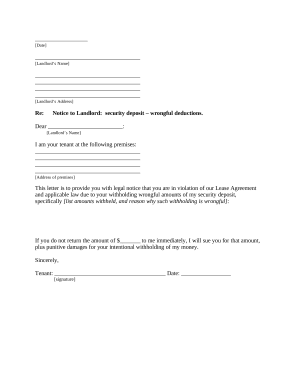
Improve your productiveness with Disputes and Resolutions

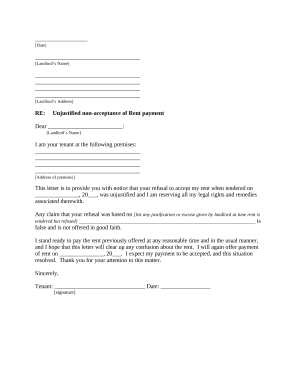
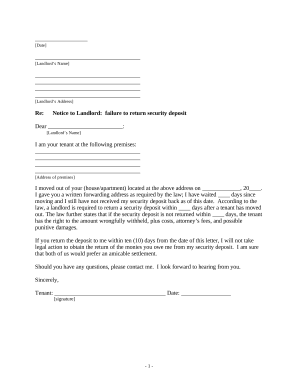
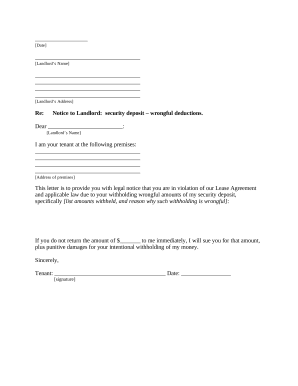
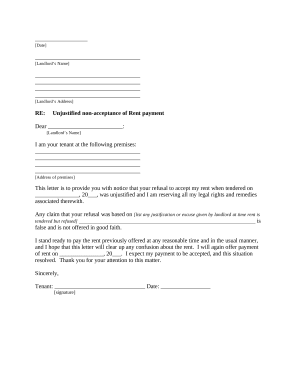
Record administration takes up to half of your office hours. With DocHub, you can easily reclaim your time and effort and enhance your team's efficiency. Access Disputes and Resolutions category and discover all document templates related to your day-to-day workflows.

Easily use Disputes and Resolutions:

  1. Open Disputes and Resolutions and apply Preview to find the appropriate form.
  2. Click Get Form to begin working on it.
  3. Wait for your form to upload in the online editor and start modifying it.
  4. Add new fillable fields, icons, and images, adjust pages, etc.
  5. Fill out your document or prepare it for other contributors.
  6. Download or share the form by link, email attachment, or invite.

Speed up your day-to-day file administration with our Disputes and Resolutions. Get your free DocHub profile right now to discover all templates.


Video Guide on Disputes and Resolutions management

video background

Commonly Asked Questions about Disputes and Resolutions

The three common approaches to conflict resolution are: third-party intervention, unilateral decision-making, and joint decision-making. Third-party intervention involves bringing forth an unaffected party to assist in the conflict resolution process.
Common ADR processes include mediation, arbitration, and neutral evaluation.
In a 2023 Harvard Business Review article, Catherine Cote broke down the Thomas-Kilmann Conflict Model, which highlights five conflict resolution strategies: avoiding, competing, accommodating, compromising, and collaborating.
Heres a review of the three basic types of dispute resolution to consider: Mediation. The goal of mediation is for a neutral third party to help disputants come to a consensus on their own. Arbitration. In arbitration, a neutral third party serves as a judge who is responsible for resolving the dispute. Litigation.
Most are settled through negotiation, mediation, arbitration or other forms of alternative dispute resolution (ADR). In mediation, a neutral mediator assists the parties efforts to docHub a settlement, but does not have binding decision-making power.
The Three Pillars of Dispute Resolution These are: 1 Negotiation; 2 Mediation (or third party intervention); and 3 Adjudication/ Arbitration/ Litigation.
Common ADR processes include mediation, arbitration, and neutral evaluation. These processes are generally confidential, less formal, and less stressful than traditional court proceedings. ADR often saves money and speeds settlement.