

Improve your template operations with Discovery Legal Forms

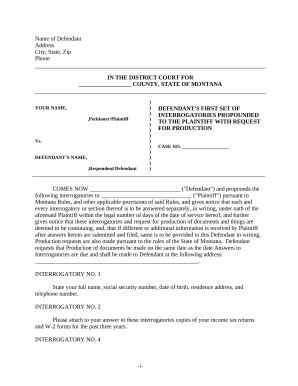
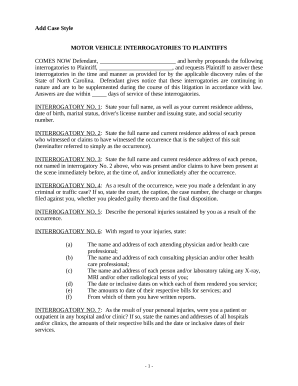
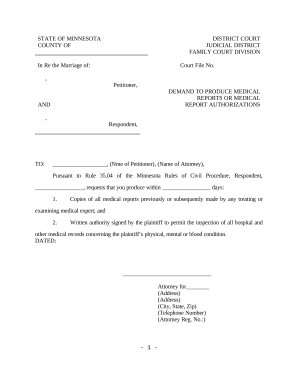
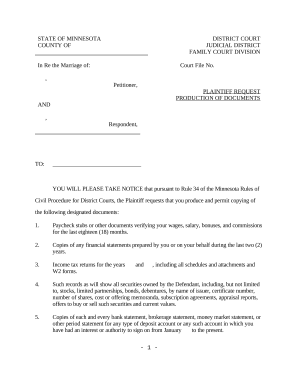
Your workflows always benefit when you are able to find all the forms and files you may need at your fingertips. DocHub delivers a a large collection form templates to ease your day-to-day pains. Get a hold of Discovery Legal Forms category and easily discover your document.

Begin working with Discovery Legal Forms in a few clicks:

  1. Open Discovery Legal Forms and find the form you require.
  2. Click on Get Form to open it in our online editor.
  3. Start changing your form: add more fillable fields, highlight paragraphs, or blackout sensitive info.
  4. The app saves your adjustments automatically, and after you are all set, you can download or share your file with other contributors.

Enjoy easy document administration with DocHub. Discover our Discovery Legal Forms online library and locate your form today!


Commonly Asked Questions about Discovery Legal Forms

Discovery may involve the existence, description, nature, custody, condition and location of books, documents, electronically stored information or other tangible things, as well as the identity of the person or persons having knowledge of something that is discoverable. Even if something is arguably NOT discoverable
Definition and Purpose of Discovery Discovery has been defined as the pre-trial devices that can be used by one party to obtain facts and information about the case from the other party in order to assist the partys preparation for trial. Law 101: Legal Guide for the Forensic Expert | Definition and Purpose of ojp.gov discovery definition-and-purpose- ojp.gov discovery definition-and-purpose-
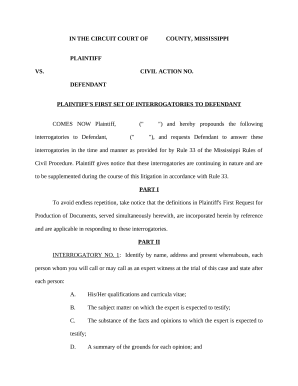
Formal Written Discovery is written questions and requests for documents. Its a time-consuming process, but necessary to gather the evidence we need for a final trial. This is where we ask questions and request documents from the other party, who must answer them under oath and with detail.
Depositions are probably the most powerful discovery tool. Depositions, however, can be extremely expensive and are not always necessary or appropriate.
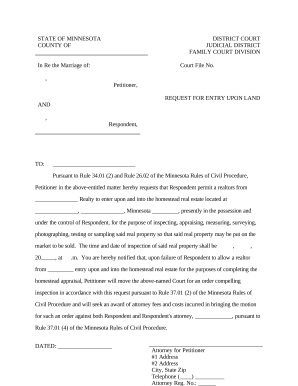
Discovery requests typically follow a common format that you can mirror. First, list instructions detailing the request for production. Be sure to mention Rule 34 and Rule 26(b), which outline the scope of the discovery request. Its also necessary to include a section with definitions.
Discovery is how you gather the evidence you will need to prove your case as plaintiff, or defeat the plaintiffs case as a defendant. You use discovery to find out things like: What the other side plans to say about an issue in your case. What facts or witnesses support their side. Discovery in civil cases | California Courts | Self Help Guide ca.gov discovery-civil ca.gov discovery-civil
A discovery is recognizing something that already exists for the first time, that nobody has found before, e.g. how Christopher Columbus discovered the Americas.
If a lawsuit gets past its initial stages, the plaintiff and the defendant will go through a period of discovery. This involves asking the opposing party or other people to provide information that would not be publicly known or readily available to the party seeking it.
Disclosure is accomplished through a methodical process called discovery. Discovery takes three basic forms: written discovery, document production, and depositions. See FindLaws Stages of a Personal Injury Case section for related articles and resources about fact-finding and the different types of discovery. Fact-Finding: Understanding the Discovery Process - FindLaw findlaw.com injury accident-injury-law findlaw.com injury accident-injury-law
Think of discovery as obtaining and disclosing the evidence and position of each side of a case so that all parties involved can decide what their best options are move forward toward to trial or negotiate an early settlement. What Is Discovery? Legal Meaning Simple Lawyer Explanation wewin.com glossary discovery wewin.com glossary discovery