Handle Debt Collection Legal Documents quickly online

Document managing can overwhelm you when you can’t find all of the forms you require. Fortunately, with DocHub's vast form library, you can discover all you need and promptly manage it without switching between apps. Get our Debt Collection Legal Documents and begin utilizing them.

Using our Debt Collection Legal Documents using these simple steps:

  1. Check Debt Collection Legal Documents and choose the form you require.
  2. Review the template and then click Get Form.
  3. Wait for it to open in the online editor.
  4. Modify your template: include new information and images, and fillable fields or blackout certain parts if needed.
  5. Prepare your template, preserve adjustments, and prepare it for delivering.
  6. When all set, download your form or share it with your contributors.

Try out DocHub and browse our Debt Collection Legal Documents category without trouble. Get your free profile right now!


Video Guide on Debt Collection Legal Documents management

video background

Commonly Asked Questions about Debt Collection Legal Documents

Debt collectors can take legal action against you if you ignore their attempts to collect the debt. This can result in judgments, garnishee orders, or even asset repossession. What Debt Collectors Can Do - Know your rights debtbusters.co.za guides what-debt-colle debtbusters.co.za guides what-debt-colle
Your FDCPA dispute rights are a powerful tool. Once you dispute the debt, the debt collector must stop all debt collection activities until it provides you with proof that you actually owe the debt. If the debt collector cant provide you with that proof, it will never bother you again.
If youre sued for an unpaid debt, you should respond to the lawsuit, either personally or through a lawyer by the date specified in the court papers. If you have been sued or served by a creditor or debt collector for an overdue debt, read the lawsuit carefully and respond by the required deadlines. What should I do if Im sued by a debt collector or creditor? consumerfinance.gov ask-cfpb what-sho consumerfinance.gov ask-cfpb what-sho
Similarly, a debt collector must prove the following facts to win their case in court: The debt collection agency owns your debt and has the legal right to sue. You owe the debt. The amount they claim you owe is accurate.
You can sue the debt collector for violating the FDCPA. If you sue under the FDCPA and win, the debt collector must generally pay your attorneys fees and might also have to pay you damages. If youre having trouble with debt collection, you can submit a complaint with the CFPB.
Evidence of debt means a writing that evidences a promise to pay or a right to the payment of a monetary obligation such as a promissory note; bond; negotiable instrument; loan, credit, or similar agreement; or monetary judgment entered by a court of competent jurisdiction.
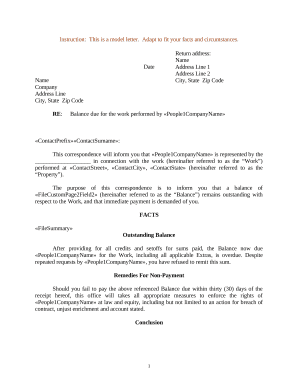
A debt collection letter, or a demand letter, is a formal notice you send to a client who has failed to pay their bill in due time. If you tried to remind your client via phone or email that they had a pending bill with your firm, and they still didnt pay after that, you should consider sending a formal reminder.
You Lose: If the credit card or debt collection company wins, it will ask the judge for authority to collect its money. Your wages could be garnished. Liens could be placed on your property or forced into a sale.
Defenses in these cases often hinge on technicalities or procedural rules. Sometimes a debtor may argue that the creditor or collector did not properly document (or verify) the debt, or they may assert that the collections lawsuit is time-barred.