Get and manage Credit & Debt online

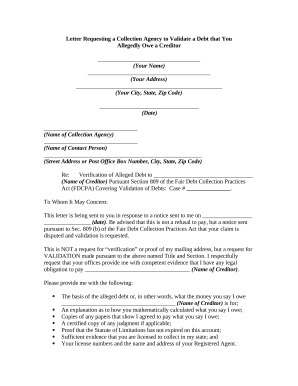
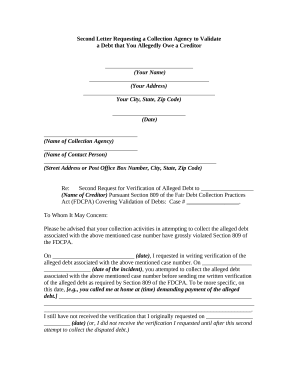
Boost your form management with the Credit & Debt online library with ready-made form templates that meet your needs. Access the form template, change it, complete it, and share it with your contributors without breaking a sweat. Start working more effectively with the documents.

How to use our Credit & Debt:

  1. Open our Credit & Debt and find the form you require.
  2. Preview your document to ensure it’s what you want, and click Get Form to begin working on it.
  3. Modify, add new text, or point out important information with DocHub features.
  4. Prepare your form and preserve the adjustments.
  5. Download or share your form template with other recipients.

Discover all of the possibilities for your online document management with our Credit & Debt. Get your free free DocHub account today!


Video Guide on Credit & Debt management

video background

Commonly Asked Questions about Credit & Debt

Paying your accounts regularly and on time will improve your score as you build a credit history. Missed payments, defaults and court judgments will stay on your credit report for six years. However, the impact of any missed payments or defaults will likely reduce as the record ages.
Here are strategies and tips for getting out of debt faster. Add Up All Your Debt. Adjust Your Budget. Use a Debt Repayment Strategy. Look for Additional Income. Consider Credit Counseling. Consider Consolidating Your Debt. Dont Forget About Debt in Collections. Stay Accountable.
9 ways to help rebuild credit Review your credit reports. Pay your bills on time. Catch up on overdue bills. Become an authorized user. Consider a secured credit card. Keep some of your credit available. Only apply for credit you need. Avoid closing old accounts. How to Rebuild Your Credit | money-management way money-management way
While paying off your debts often helps improve your credit scores, this isnt always the case. Its possible that you could see your credit scores drop after fulfilling your payment obligations on a loan or credit card debt. However, that doesnt mean you should ignore what you owe.
Credit (from Latin verb credit, meaning one believes) is the trust which allows one party to provide money or resources to another party wherein the second party does not reimburse the first party immediately (thereby generating a debt), but promises either to repay or return those resources (or other materials of Credit - Wikipedia Wikipedia wiki Credit Wikipedia wiki Credit
While both debt collectors and creditors may contact borrowers about unpaid debt, there are key differences. Creditors issue loans, credit cards and lines of credit, while debt collectors do not. Debt collectors can only recover an existing debt when working with a creditor to acquire an overdue credit account. How to Bypass Debt Collectors and Work with Your Original Creditor Equifax education articles learn Equifax education articles learn
Credit is the loan that your lender provides to you. It is the money you borrow up to the limit the lender sets. That is the maximum amount you can borrow. Debt is the amount you owe and must pay back with interest and all fees. The Difference Between Debt and Credit | Ameris Bank Ameris Bank debt article the-diff Ameris Bank debt article the-diff
For most people, increasing a credit score by 100 points in a month isnt going to happen. But if you pay your bills on time, eliminate your consumer debt, dont run large balances on your cards and maintain a mix of both consumer and secured borrowing, an increase in your credit could happen within months.