

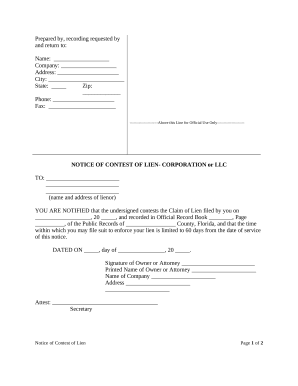

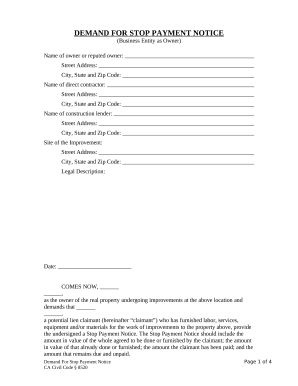

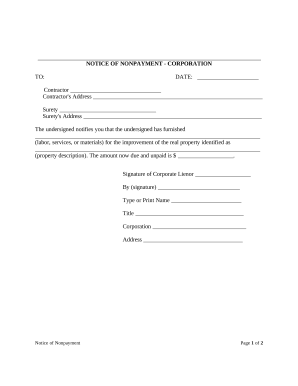

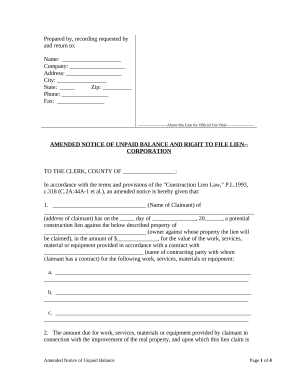
Manage Corporation or LLC Forms effortlessly online
Document management can overwhelm you when you can’t discover all of the forms you need. Luckily, with DocHub's extensive form categories, you can discover everything you need and swiftly deal with it without changing among programs. Get our Corporation or LLC Forms and begin working with them.
The best way to manage our Corporation or LLC Forms using these simple steps:
- Examine Corporation or LLC Forms and select the form you need.
- Preview the template and then click Get Form.
- Wait for it to upload in the online editor.
- Modify your document: include new information and pictures, and fillable fields or blackout certain parts if required.
- Prepare your document, conserve changes, and prepare it for sending.
- When all set, download your form or share it with other contributors.
Try out DocHub and browse our Corporation or LLC Forms category with ease. Get your free account today!
Video Guide on Corporation or LLC Forms management

Commonly Asked Questions about Corporation or LLC Forms
How to choose How to choose LLC or corporation?
You might choose an LLC if you want to avoid corporate taxation, dont plan to fundraise with investors and prefer minimal formal regulations. You might choose a corporation, on the other hand, if youre looking to sell ownership, attract investors or go public in the future. LLC vs. Corporation: Which Is Right for Your Business? - NerdWallet nerdwallet.com article small-business ll nerdwallet.com article small-business ll
Is it better to form an LLC or S corporation?
The Bottom Line: Choosing the Best Option for Your Business Choosing an S-corp will help you save on your self-employment taxes, just be aware that this will require intense and precise bookkeeping. LLCs are best suited for smaller businesses because of their flexibility, cost and convenience.
What is the biggest disadvantage of an LLC?
A major disadvantage of an LLC is that owners may pay more taxes. When setting up as a pass-through to owners, they are subject to self-employment tax. Self-employment tax ends up higher compared to being taxed as an employee.
Why would you form a corporation instead of an LLC?
It can be easier to obtain outside funding as some investors and banks prefer to invest in corporations than LLCs because corporations are generally better for recapitalizing and reorganizing over time as a business grows.
Do LLCs pay more taxes than corporations?
Who pays more taxes, an LLC or S Corp? Typically, an LLC taxed as a sole proprietorship pays more taxes and S Corp tax status means paying less in taxes. By default, an LLC pays taxes as a sole proprietorship, which includes self-employment tax on your total profits.
What is a benefit of forming an LLC instead of a corporation?
In addition, LLCs can be managed by the members or by managers. Corporations are managed by a board of directors. Shareholders do not manage the business and affairs of corporations. Another advantage of the LLC is that there is greater flexibility in splitting up financial interests.
Which is better, LLC or Inc.?
Both types of entities have the docHub legal advantage of helping to protect assets from creditors and providing an extra layer of protection against legal liability. In general, the creation and management of an LLC are much easier and more flexible than that of a corporation.
Is my LLC an S or C Corp?
As an LLC, you can elect S Corp status instead of the default sole proprietorship or partnership. As a corporation, youll automatically be taxed as a C Corp. A larger LLC might want to elect C Corp status for a lower tax rate or to appeal to future investors or buyers.
Is it better to form an LLC or INC?
If all the owners want to participate in running the business, LLC beats Inc. But if the members want to be passive investors and have the business run by managers with more expertise than they have, and want the extra protections provided by the corporation statutes, then Inc.


