Get and manage Corporate Loan Agreements online

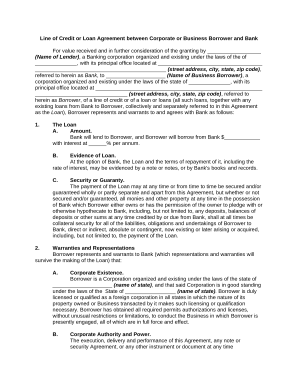
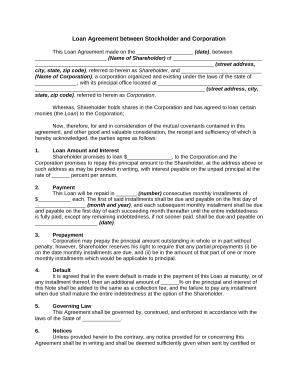
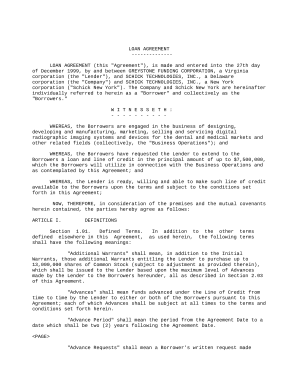
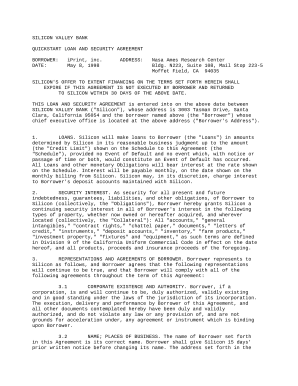
Improve your form operations using our Corporate Loan Agreements collection with ready-made form templates that suit your requirements. Access the document template, modify it, complete it, and share it with your contributors without breaking a sweat. Start working more effectively together with your forms.

The best way to manage our Corporate Loan Agreements:

  1. Open our Corporate Loan Agreements and find the form you want.
  2. Preview your document to ensure it’s what you want, and click Get Form to begin working on it.
  3. Change, include new text, or highlight important information with DocHub tools.
  4. Fill out your form and preserve the adjustments.
  5. Download or share your form template with other recipients.

Examine all the possibilities for your online document management with the Corporate Loan Agreements. Get your totally free DocHub account today!


Video Guide on Corporate Loan Agreements management

video background

Commonly Asked Questions about Corporate Loan Agreements

Corporate lending refers to the loans given by financial institutions, commonly banks, to companies (instead of individuals retail lending) to fund their businesses. The loans are typically much bigger than retail loans and funding is generally provided by the larger banks who are lending specialists.
Advantages of long-term loans To sell bonds to the public, the issuing company must spend time and money on advertising while taking steps to ensure that it adheres to SEC requirements. The costs of obtaining a bank loan can therefore be docHubly lower than the costs involved in borrowing money through bonds.
A corporate bond is a debt obligation issued by a business to raise money. Corporate bond buyers are lending money to the company, while the company has a legal obligation to pay interest as agreed to bondholders. When a corporate bond matures, or docHubes the end of the term, the company repays the bondholder.
Banks place greater restrictions on how a company can use the loan and are more concerned about debt repayment than bondholders. Bond markets tend to be more lenient than banks and are often seen as easier to deal with. They leave it to the rating agencies to grade the bonds and make their decisions ingly.
A loan obtains funding from a lender, like a bank or specific organizations. In contrast, bonds obtain money from the public when companies sell them. In either case, the corporation typically has to repay the borrowed money at a prearranged interest rate. To start, bonds usually have a lower interest rate than loans.
Include key terms of the loan, such as the lender and borrowers contact information, the reason for the loan, what is being loaned, the interest rate, the repayment plan, what would happen if the borrower cant make the payments, and more. The amount of the loan, also known as the principal amount.
Notes are similar to bonds but typically have an earlier maturity date than other debt securities, such as bonds. For example, a note might pay an interest rate of 2% per year and mature in one year or less. A bond might offer a higher rate of interest and mature several years from now.
How to Write a Business Loan Agreement Step 1 Set an Effective Date. Step 2 Identify the Parties. Step 3 Include the Loan Amount. Step 4 Create a Repayment Schedule. Step 5 Define Security Interests or Collateral. Step 6 Set an Interest Rate. Step 7 Late Payment Fees. Step 8 Determine Prepayment Options.