Manage Connecticut Landlord Tenant Law quickly online

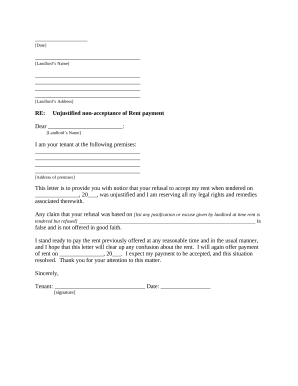
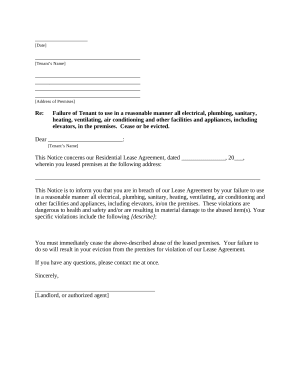
Document administration can overwhelm you when you can’t discover all of the forms you need. Luckily, with DocHub's considerable form categories, you can get everything you need and promptly handle it without switching between software. Get our Connecticut Landlord Tenant Law and begin utilizing them.

The best way to manage our Connecticut Landlord Tenant Law using these basic steps:

  1. Examine Connecticut Landlord Tenant Law and select the form you need.
  2. Review the template and click on Get Form.
  3. Wait for it to open in the online editor.
  4. Edit your form: add new information and images, and fillable fields or blackout certain parts if needed.
  5. Prepare your form, save modifications, and prepare it for delivering.
  6. When all set, download your form or share it with your contributors.

Try out DocHub and browse our Connecticut Landlord Tenant Law category easily. Get a free profile today!


Video Guide on Connecticut Landlord Tenant Law management

video background

Commonly Asked Questions about Connecticut Landlord Tenant Law

Strong Tenant Protections: Connecticut leans towards protecting tenants, with strict laws regarding: Security Deposits: Landlords must return deposits within 30 days of lease termination, minus deductions for documented damages beyond normal wear and tear.
Lease Termination and Evictions in Connecticut A landlord may send an eviction notice to their tenant on a periodic lease if they wish. However, they must make sure that they provide at least three days of notice for eviction in cases of weekly or monthly leases.
Published by Scott Schwefel on August 22, 2023 Landlords who fail to comply could be liable for twice the amount of the original security deposit. Beginning October 1, 2023, Tenants are afforded a nine-day grace period (or four days for week-to-week renters) before late fees may be imposed.
The only way a landlord can legally evict a tenant is by receiving a court order from a judge that gives permission for the eviction to proceed. Before the landlord can file an eviction lawsuit with the court, the landlord must give the tenant notice.
A Connecticut tenant has the right to live in a habitable apartment that complies with local housing and safety rules and seek housing without any discrimination from their landlord. As the Connecticut law states, tenant rights allow them to request repairs for damages that exceed normal wear and tear in the apartment.
Beginning October 1, 2023, landlords must return tenants security deposits, with interest on the deposits, within 21 days (rather than 30 days), or within 15 days after receiving written notification of a tenants forwarding address, whichever is later.
In cases when an oral or written lease has terminated by lapse of time (without cause eviction), the tenant must be given at least 3 (three) full days and at least until the end of the time period to which he or she would normally have been entitled to vacate the premises.
Most states require at least a 30 Day Notice to Vacate for monthly leases, and depending on the circumstance, the Connecticut Notice to Vacate may be given in the form of a 30 Day Notice to Vacate, 60 Day Notice to Vacate, or a 90 Day Notice to Vacate.