Improve your productivity with Connecticut Housing Laws

Papers management takes up to half of your office hours. With DocHub, it is easy to reclaim your time and increase your team's efficiency. Get Connecticut Housing Laws category and explore all templates related to your everyday workflows.

The best way to use Connecticut Housing Laws:

  1. Open Connecticut Housing Laws and apply Preview to get the appropriate form.
  2. Click on Get Form to start working on it.
  3. Wait for your form to open in the online editor and start editing it.
  4. Add new fillable fields, icons, and images, adjust pages, and many more.
  5. Complete your file or set it for other contributors.
  6. Download or deliver the form by link, email attachment, or invite.

Improve your everyday document management using our Connecticut Housing Laws. Get your free DocHub account today to discover all templates.


Video Guide on Connecticut Housing Laws management

video background

Commonly Asked Questions about Connecticut Housing Laws

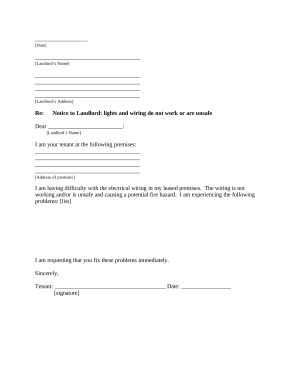
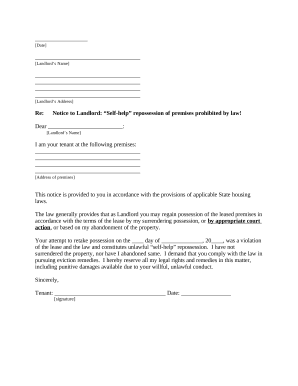
A Connecticut tenant has the right to live in a habitable apartment that complies with local housing and safety rules and seek housing without any discrimination from their landlord. As the Connecticut law states, tenant rights allow them to request repairs for damages that exceed normal wear and tear in the apartment.
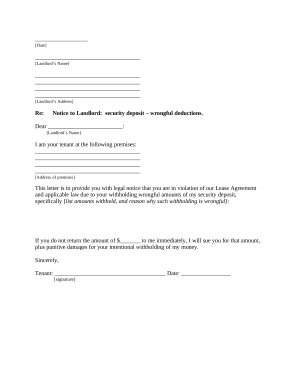
Beginning October 1, 2023, landlords must return tenants security deposits, with interest on the deposits, within 21 days (rather than 30 days), or within 15 days after receiving written notification of a tenants forwarding address, whichever is later.
New laws include mandatory video cameras at absentee drop boxes as part of sweeping legislation to ensure election security, allowing firearm sellers access to the arrest records of potential buyers under 21, prohibiting the selling of a persons health data without their consent, and requiring the departments of
Due to COVID-19, Governor Lamont has issued an executive order that called for an eviction moratorium and allowed tenants a lengthier grace period to resolve non-payment of rent without late fees. Landlords must also check out information about laws on the Security Deposit they ask from the tenant.
In Connecticut, there are no statewide rent control policies, which means there is not a legally enforced limit by which landlords can increase rent. However, landlords should consider the terms of individual leases and respect the notice period for tenants currently in a lease agreement.
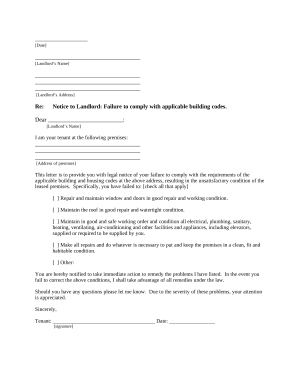
By law, a landlord must (1) comply with all applicable building and housing codes materially affecting health and safety; (2) make all repairs and keep premises in fit and habitable condition, except when the condition is caused by the tenant, his family, or his guests; (3) keep all common areas in clean and safe