Create your Communication Template from scratch

Start Building Now
Title decoration

Here's how it works

01. Start with a blank Communication Template
Open the blank document in the editor, set the document view, and add extra pages if applicable.
02. Add and configure fillable fields
Use the top toolbar to insert fields like text and signature boxes, radio buttons, checkboxes, and more. Assign users to fields.
03. Distribute your form
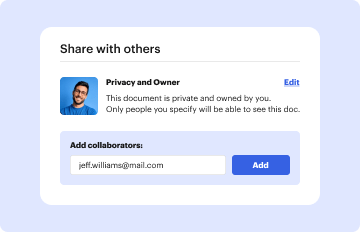
Share your Communication Template in seconds via email or a link. You can also download it, export it, or print it out.

Build Communication Template from the ground up by following these detailed guidelines
Form edit decoration

Step 1: Open DocHub and get going.

Begin by setting up a free DocHub account using any offered sign-up method. Simply log in if you already have one.

Step 2: Sign up for a free 30-day trial.

Try out the complete set of DocHub's pro tools by signing up for a free 30-day trial of the Pro plan and proceed to build your Communication Template.

Step 3: Add a new empty form.

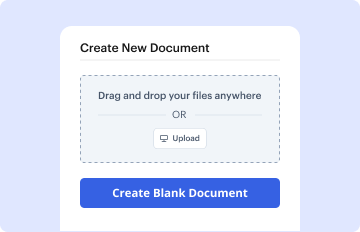
In your dashboard, click the New Document button > scroll down and choose to Create Blank Document. You will be redirected to the editor.

Step 4: Arrange the view of the document.

Utilize the Page Controls icon marked by the arrow to toggle between two page views and layouts for more flexibility.

Step 5: Start inserting fields to design the dynamic Communication Template.

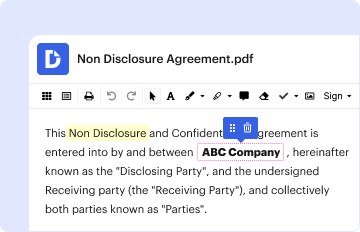
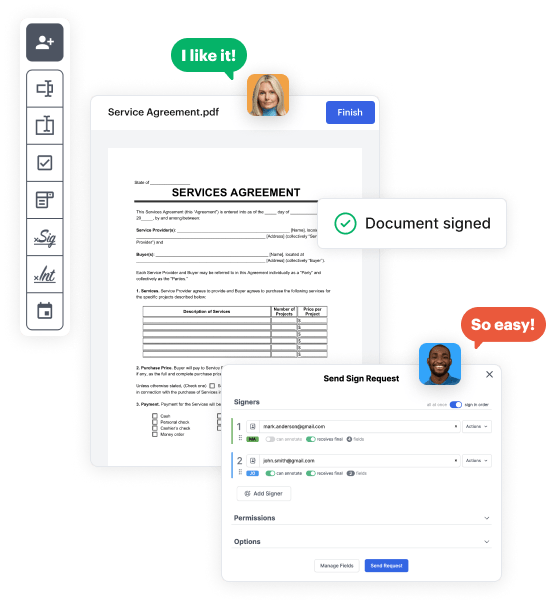
Use the top toolbar to add document fields. Insert and arrange text boxes, the signature block (if applicable), add photos, and other elements.

Step 6: Prepare and configure the incorporated fields.

Arrange the fillable areas you incorporated based on your preferred layout. Modify the size, font, and alignment to make sure the form is easy to use and neat-looking.

Step 7: Finalize and share your form.

Save the ready-to-go copy in DocHub or in platforms like Google Drive or Dropbox, or design a new Communication Template. Distribute your form via email or get a public link to engage with more people.


be ready to get more

Build your Communication Template in minutes

Start creating now

Got questions?

We have answers to the most popular questions from our customers. If you can't find an answer to your question, please contact us.
Contact us
Steps Step 1: Determine Method for Engaging Stakeholders and Partners. Step 2: Write a Brief Summary of Analyses. Step 3: Select a Theory. Step 4: Select Audiences. Step 5: Develop Communication Objectives. Step 6: Select Strategic Approaches. Step 7: Decide on Positioning. Step 8: Identify Key Benefits and Support Points.
8-Step Communication Model Assess Current Situation. Set Communication Goals. Identify Intended Audiences. Develop and Pretest Messages. Select Channels and Activities. Develop an Action Plan. Develop and Pretest Materials. Implement, Evaluate and Modify Plan.
For example, interaction models can be used to describe a conversation through instant messaging: the sender sends a message and then has to wait for the receiver to react. Another example is a question/answer session where one person asks a question and then waits for another person to answer.
The five steps (also known as components or elements) of the communication process are idea formation, encoding, channel selection, decoding, and feedback.
What is a Communication Plan Template? A communication plan template is a document that outlines the strategies and objectives for internal and external communication within an organization. It specifies the target audience, types of messages, and how to communicate them, as well as how often to communicate.
be ready to get more

Build your Communication Template in minutes

Start creating now

Related Q&A to Communication Template

Create or edit a template On your computer, open Gmail. In the top left, click Compose. In the compose window, enter your template text. At the bottom of the compose window, click More options. Templates. Choose an option: To create a new template: Click Save draft as template. Save as new template.
How to write a communications plan Think about the context. Establish the purpose. Define the audience. Develop key messages. Decide communications tools and channels. Be prepared. Evaluate. Further reading.

Additional resources on building your forms