

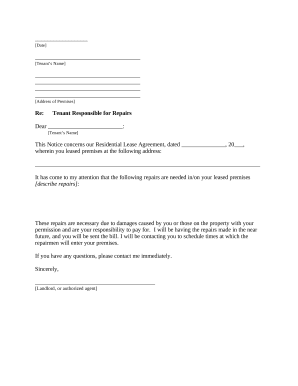
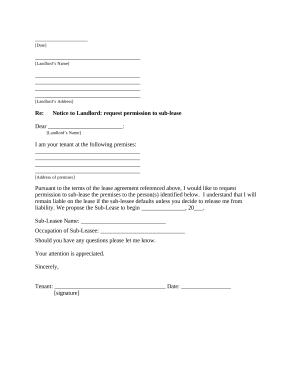
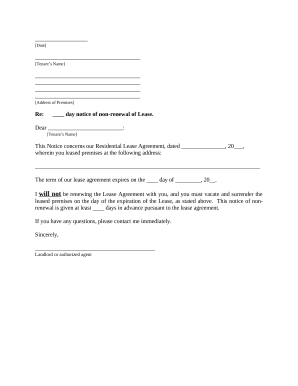
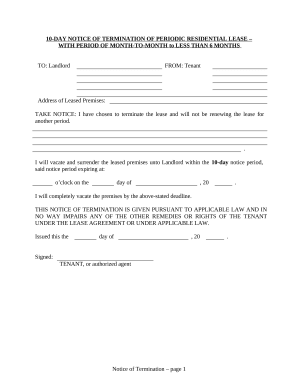
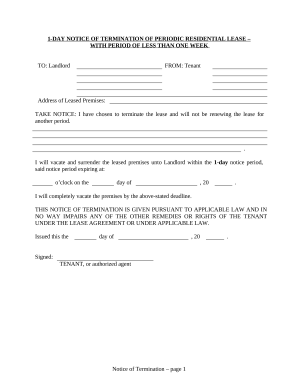

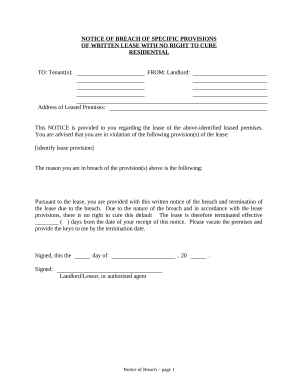
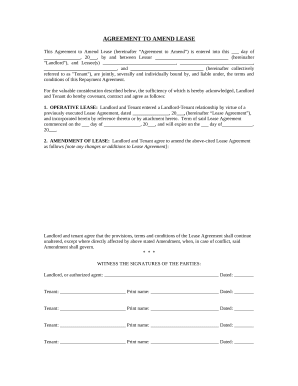
Get and manage Colorado Residential Lease Forms online

Boost your file management with the Colorado Residential Lease Forms category with ready-made document templates that meet your requirements. Get the form, alter it, complete it, and share it with your contributors without breaking a sweat. Start working more efficiently with the forms.

How to use our Colorado Residential Lease Forms:

  1. Open our Colorado Residential Lease Forms and search for the form you want.
  2. Preview your form to ensure it’s what you want, and click Get Form to begin working on it.
  3. Modify, add new text, or point out important information with DocHub tools.
  4. Complete your form and preserve the adjustments.
  5. Download or share your form with other people.

Discover all of the opportunities for your online document management with the Colorado Residential Lease Forms. Get a free free DocHub profile right now!


Video Guide on Colorado Residential Lease Forms management

video background

Commonly Asked Questions about Colorado Residential Lease Forms

To provide each tenant with a copy of a written rental agreement signed by the parties; Upon receiving any payment made in person by a tenant with cash or a money order, to contemporaneously provide the tenant with a receipt indicating the amount the tenant paid and the date of payment; and.
Tenants can refuse entry to a landlord if they have not provided a reasonable explanation for why or given them sufficient notice prior. For that reason, landlords are generally recommended to include a notice of entry clause in the lease agreement so both parties know how to handle situations like this.
1. A tenancy for one year or longer: 90 days notice 2. A tenancy between 6-12 months: 28 days notice 3. A tenancy between one and six months: 21 days notice 4.
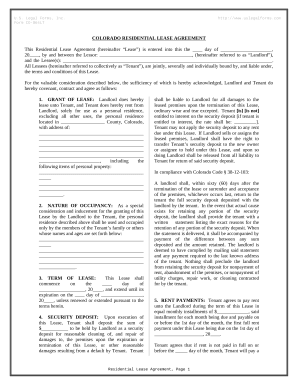
The Colorado standard residential lease agreement is a contract between a landlord and tenant that defines the terms and conditions of renting residential real estate. The parties are typically bound to the agreement for a period of one year and have the option to negotiate an extension or renewal at the lease term.
Do Leases in Colorado Need to Be docHubd? Although the landlord or tenant can request to have the documents docHubd, its not mandatory by law.
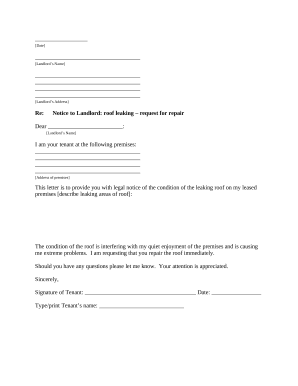
Under Colorado law, a landlord has a responsibility to repair the rental property during the lease term under the following circumstances: The lease contains a specific agreement that specifies that the landlord is responsible for repairing or maintaining the rental A residential rental is uninhabitable or unfit for
Housing providers may NOT terminate or non-renew a lease at the end of the lease term without legal cause and 90 day notice. HB 24-1098 redefines what it means to non-renew a lease - now called a no fault eviction
