



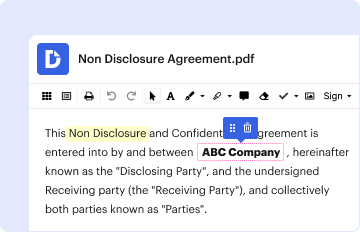
01. Edit your cash declaration form uk online
Type text, add images, blackout confidential details, add comments, highlights and more.

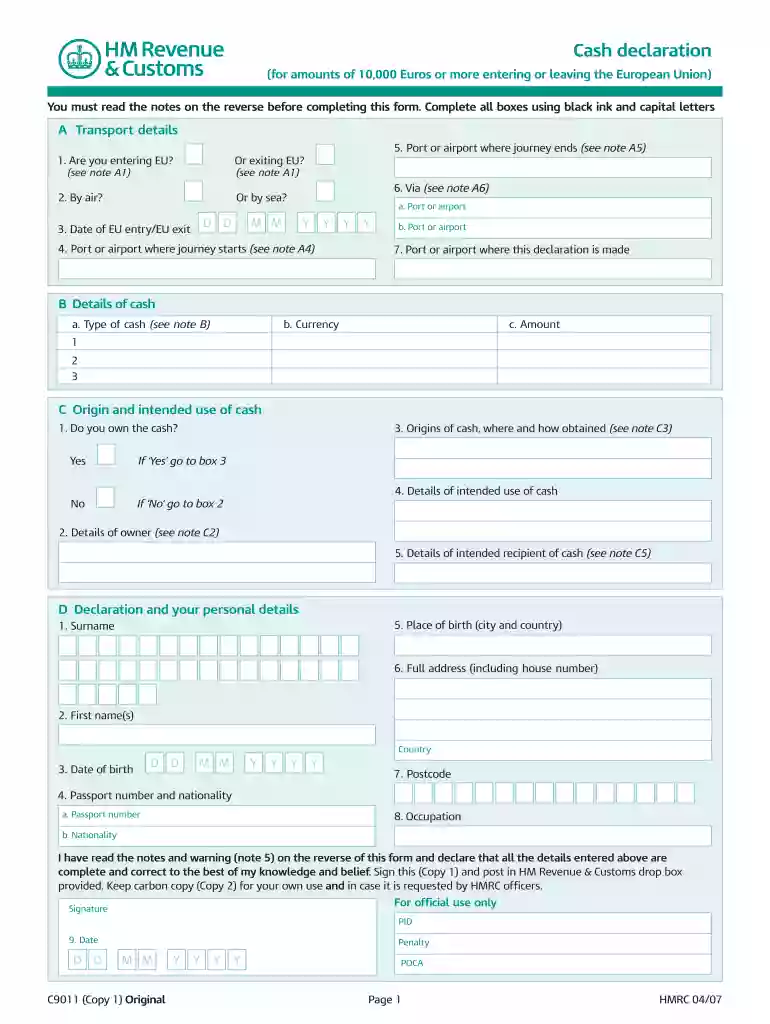
Type text, add images, blackout confidential details, add comments, highlights and more.
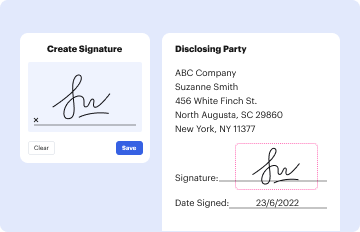
Draw your signature, type it, upload its image, or use your mobile device as a signature pad.

Send cash declaration via email, link, or fax. You can also download it, export it or print it out.
The Cash declaration - HM Revenue & Customs (HMRC) form serves to report the transportation of cash when entering or leaving the United Kingdom. This declaration applies to individuals carrying amounts of £10,000 or more, whether in cash, traveler's cheques, or any other negotiable instruments. The primary purpose of this form is to comply with the laws designed to prevent money laundering and to facilitate the customs process.
Completing the Cash declaration form requires careful attention to detail to ensure all necessary information is accurately reported. Follow these steps:
Gather Required Information:
Obtain the Form:
Provide Personal Information:
Detail the Cash Amount:
Sign and Submit the Form:
Proper completion of the cash declaration is critical to ensure compliance with HMRC enforcement measures.
Understanding key terms associated with the Cash declaration form is essential for effective compliance and communication with customs authorities. Familiarize yourself with the following:
The legal use of the Cash declaration form is rooted in compliance with various regulations aimed at preventing financial crimes. Legal obligations include:
Fulfilling Reporting Requirements: If carrying cash over the designated threshold, travelers must declare to HMRC to avoid penalties.
Regular Audits and Checks: HMRC conducts inspections to ensure adherence to cash declaration regulations, and non-disclosure can lead to investigations.
Penalties for Non-Compliance:
To illustrate the practical use and importance of the Cash declaration form, consider the following examples:
Example 1: A traveler returning from a business trip to an international conference carries £15,000 in cash. They complete the Cash declaration form at the airport, precisely reporting the amount. Upon inspection, they present their documentation for verification, ensuring a smooth customs process.
Example 2: A family relocating from the UK to another country may carry a substantial sum. By completing the Cash declaration form, they provide clear visibility of their funds, thereby satisfying legal requirements and avoiding complications with customs.
When it comes to submission, the Cash declaration form can be completed in either digital or paper format. Understanding the differences between these options can inform your choice:
Digital Submission:
Paper Submission:
Choosing between digital and paper formats will depend on personal preferences and availability.
We've got more versions of the cash declaration form uk form. Select the right cash declaration form uk version from the list and start editing it straight away!
| Versions | Form popularity | Fillable & printable |
|---|---|---|
| 2007 | 4.3 Satisfied (43 Votes) |
At DocHub, your data security is our priority. We follow HIPAA, SOC2, GDPR, and other standards, so you can work on your documents with confidence.
Through Gift Aid, we are able to reclaim from HM Revenue and Customs (HMRC) the basic rate of tax that you have paid on those funds, thereby DocHublyRead more
Feb 2, 2026 UK custom regulations are established by His Majestys Revenue Customs (HMRC). HMRC is the UKs tax, payments, and customs authority.Read more


