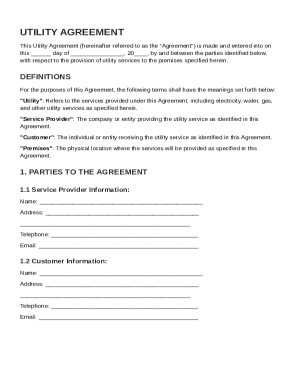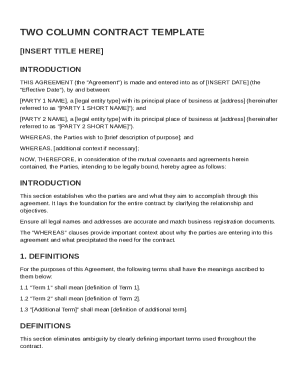







Key Components of a Standard Apartment Lease in NYC
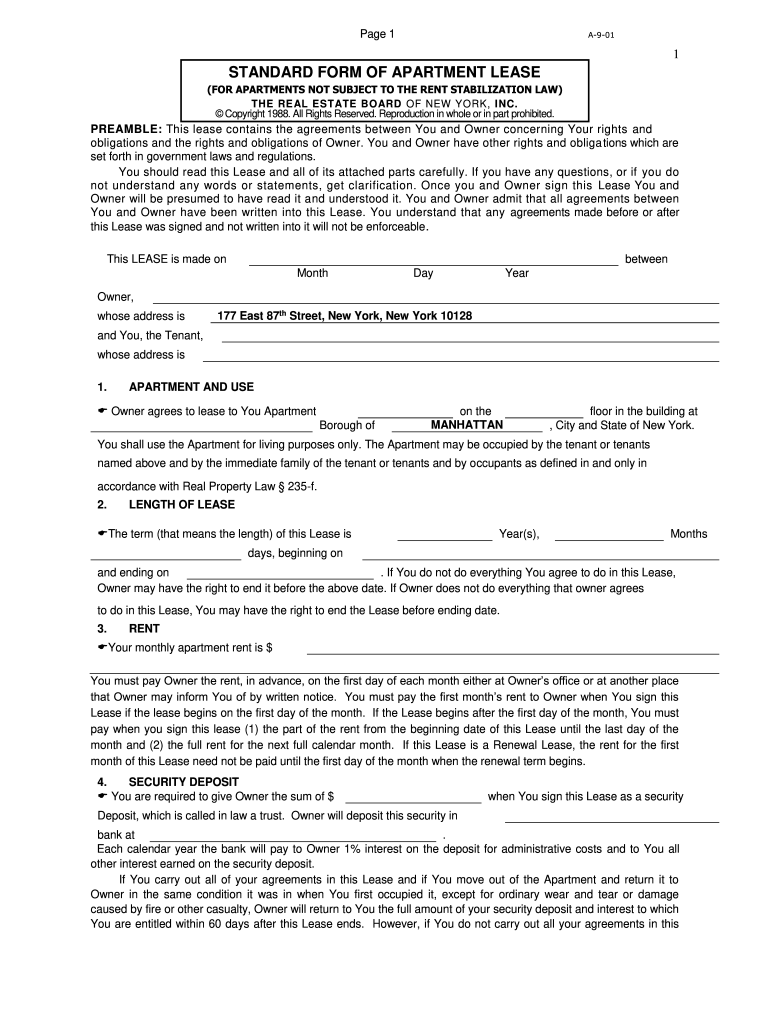
An apartment lease is a crucial document that outlines the rights and responsibilities of both tenants and landlords in New York City. Understanding its components ensures both parties are informed and protected.
Essential Details in a NYC Lease Agreement
-
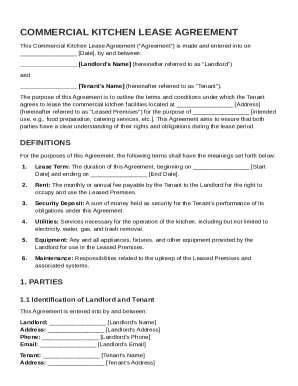
Lease Term: This specifies the duration of the lease, commonly one year, but can vary. Understanding the lease term is vital for lease renewal or termination.
-
Rent Payment: This section outlines the rental amount, payment due dates, and acceptable payment methods. Tenants should ensure clarity on increases in rent and any associated timing.
-
Security Deposit: A security deposit is typically required to protect the landlord against any damages or unpaid rent. New York law defines the permissible amount and stipulations regarding its return.
-
Responsibilities for Maintenance: This clause specifies who is responsible for repairs and maintenance. Tenants should be aware of their obligations concerning minor repairs versus the landlord's responsibilities for major issues.
Additional Provisions and Riders
Landlords may include riders that address specific issues. Common riders in NYC leases include:
-
Pest Control: Guidelines on pest management responsibilities.
-
Lead-Based Paint Disclosure: Mandated for buildings constructed before 1978, detailing risks and responsibilities concerning lead exposure.
-
Rules on Alterations: Conditions under which tenants may make modifications to the apartment, ensuring compliance with the landlord's approval process.
Termination Conditions and Tenant Rights
Understanding termination clauses is essential. Key elements often include:
-
Notice Periods: Required notice durations for terminating the lease, typically 30 to 60 days.
-
Tenant Rights: Protection against unlawful eviction and rights related to lease renewals and renewals costs.
Legal Compliance and Tenant Conduct
A standard apartment lease must comply with local laws, encompassing regulations concerning:
-
Fair Housing: Prohibits discrimination based on race, color, religion, or other characteristics.
-
Tenant Responsibilities: This section emphasizes prescribed conduct, such as noise levels and compliance with building regulations.
Electronic Leasing in NYC
In the modern digital landscape, many landlords and property managers utilize electronic leasing. This method is recognized under New York law and affords tenants the advantage of easier document access and e-signatures.
Conclusion
The standard form of apartment lease in NYC encompasses crucial legal frameworks, tenant and landlord obligations, and provisions specifically tailored to the New York market. By understanding these components, tenants can ensure they are making informed decisions regarding their housing agreements.