




01. Edit your glazing certificate online
Type text, add images, blackout confidential details, add comments, highlights and more.

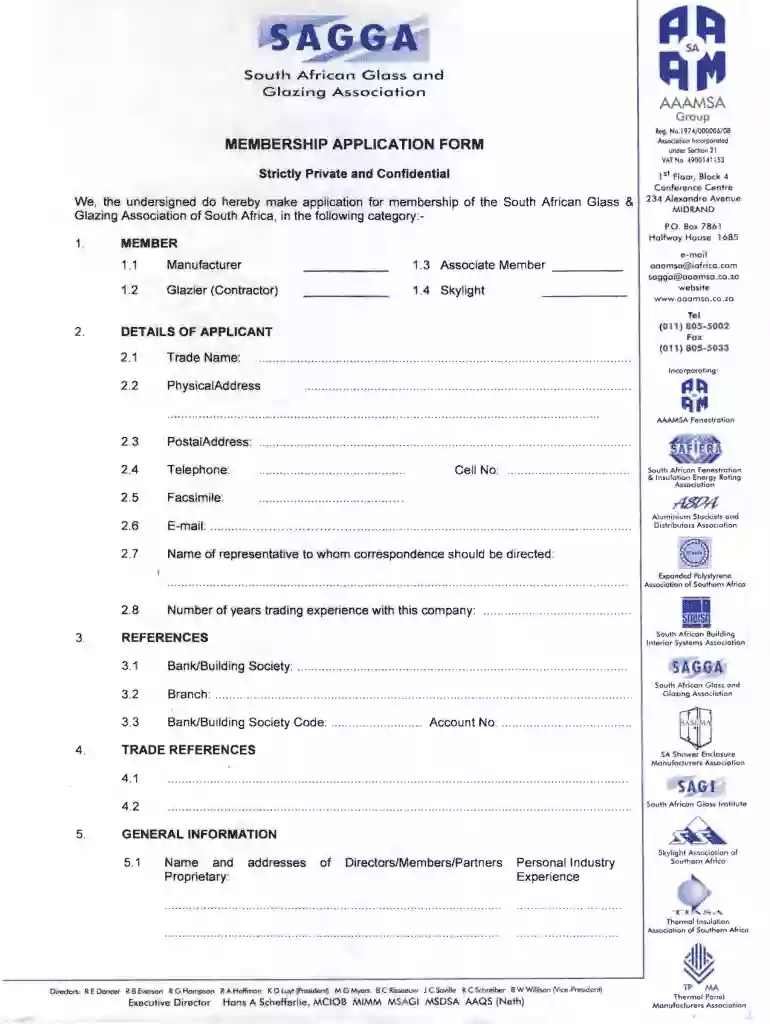
Type text, add images, blackout confidential details, add comments, highlights and more.

Draw your signature, type it, upload its image, or use your mobile device as a signature pad.

Send sagga glazing certificate via email, link, or fax. You can also download it, export it or print it out.
A glazing certificate is an official document that verifies compliance with specific industry standards regarding glass and glazing work. It serves as proof that certain glazing installations meet safety, quality, and performance requirements as defined by regulatory bodies. This certification is crucial for ensuring that glazing products are safe, durable, and suitable for use in various construction projects.
The glazing certificate provides essential information about the installed glass, such as:
Obtaining a glazing certificate is often essential for professionals in the construction and glazing industries, as well as for clients, providing assurance that their projects comply with necessary legal and safety standards.
Acquiring a glazing certificate typically involves a series of steps that ensure compliance with both local regulations and national safety standards. Here are the essential steps to follow:
Contact a Certified Professional: Begin the process by reaching out to a qualified glazing contractor or a certified entity recognized by regulatory bodies, such as the South African Glass and Glazing Association (SAGGA).
Complete Necessary Assessments: The contractor will often conduct evaluations of the glazing installation to verify that it meets all required standards. This may include checking the type of glass, installation methods, and structural components.
Document Compliance: Gather all documents that demonstrate compliance with relevant regulations. This documentation is essential for the certification process and may include installation records, material certifications, and audit reports.
Submit Application: After gathering all necessary documentation, submit an application for the glazing certificate to the relevant authority or organization, such as SAGGA or your local building department.
Pay Any Associated Fees: Be prepared to pay fees related to processing the application and the issuance of the certification.
Receive Your Certificate: Once your application is approved and all documentation is verified, you will receive your glazing certificate. This document should be retained for future reference, particularly if any questions arise about compliance or quality.
A glazing certificate includes several key components that provide comprehensive details about the glazing installation. Understanding these elements is essential for both professionals and clients:
Certification Body: The name of the organization or body issuing the certification, such as SAGGA or another recognized authority.
Certificate Number: A unique identifier that allows for tracking and verification of the certificate.
Project Details: Information on the specific project for which the certificate is issued, including location and scope.
Material Specifications: Detailed descriptions of the glass types and materials used, including safety and performance characteristics.
Installer Information: The name and credentials of the glazing contractor or company responsible for the installation.
Expiration Date: The certification may have a validity period, indicating when re-evaluation or renewal is necessary.
Terms of Use: Any specific conditions under which the glazing certificate is valid or applicable, especially concerning warranties or safety guidelines.
Understanding these elements helps ensure that all aspects of glazing compliance are correctly documented and presented during inspections or audits.
Familiarity with specific terms is vital when dealing with glazing certificates. Key terms include:
Glazing: The process of installing glass into a framework, often related to windows and glass facades.
Compliance: Adherence to local, state, and national regulations regarding safety and installation practices.
Certification Body: An organization responsible for assessing compliance and granting certification based on set criteria, such as SAGGA.
Structural Integrity: The ability of installed glazing to withstand forces without failure, essential for safety and performance.
Performance Standards: Criteria that glazing products must meet, including issues like thermal insulation, sound insulation, and impact resistance.
Understanding these terms enhances the ability to navigate the glazing certification process effectively, ensuring that all involved parties have aligned expectations and comprehensive knowledge of requirements.
A glazing certificate is utilized by a diverse range of professionals and organizations involved in construction and renovation projects. Key users include:
Contractors: Glazing contractors require certificates to demonstrate that their work complies with safety and quality standards, providing assurance to clients.
Architects: Professionals involved in building design use glazing certificates to ensure that their architectural plans meet regulatory requirements and client expectations.
Developers: Property developers depend on glazing certificates to confirm that new constructions adhere to local building codes, which is essential for obtaining permits and approvals.
Insurance Companies: Insurers may request glazing certificates to assess the risk associated with a property, influencing coverage options and premiums.
Regulatory Authorities: Local and state regulatory agencies typically require this certification before granting occupancy permits, ensuring that all buildings are safe for public use.
Recognizing the various stakeholders involved highlights the importance of a glazing certificate in maintaining industry standards and enhancing safety across construction projects.
At DocHub, your data security is our priority. We follow HIPAA, SOC2, GDPR, and other standards, so you can work on your documents with confidence.
Certified glazing materials installed in locomotives, passenger cars, or cabooses must be certified by the glazing manufacturer in accordance with theRead more
This qualification is an entry qualification for people who want to work in the kitchen or bathroom design sector. People entering this qualification may holdRead more
Learn about Tri-Cs Glazing certificate, which emphasizes the skill set required to be a highly skilled craftsman glazier.


