Anaesthesia consent form 2026

Get Form
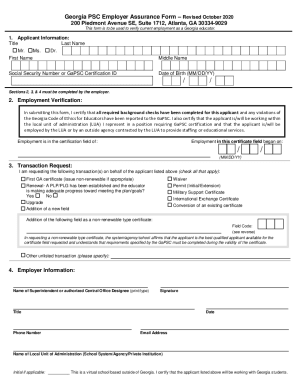
anaesthesia consent form Preview on Page 1

Here's how it works

01. Edit your anaesthesia consent form online
Type text, add images, blackout confidential details, add comments, highlights and more.
02. Sign it in a few clicks
Draw your signature, type it, upload its image, or use your mobile device as a signature pad.
03. Share your form with others
Send consent form for anaesthesia via email, link, or fax. You can also download it, export it or print it out.

How to use or fill out anaesthesia consent form with our platform

Form edit decoration
9.5
Ease of Setup
DocHub User Ratings on G2
9.0
Ease of Use
DocHub User Ratings on G2
  1. Click ‘Get Form’ to open the anaesthesia consent form in the editor.
  2. Begin by entering the owner's name, address, and contact phone number for today. This information is crucial for communication regarding your pet's procedure.
  3. Fill in your pet's name, species, breed, sex, and age. These details help the veterinarian understand your pet's profile.
  4. Select any procedures your pet will undergo today from the provided options such as spay, dental scaling, or ultrasound. If there are additional treatments needed, specify them in the 'Other' section.
  5. Indicate if your pet has had any recent health concerns or is currently on medication. This information is vital for assessing risks associated with anaesthesia.
  6. Review the estimate of costs for surgery/procedure and ensure you understand that these may change due to unforeseen circumstances.
  7. Finally, sign and date the form to authorize the procedure and acknowledge understanding of the associated risks.

Start using our platform today to easily complete your anaesthesia consent form online for free!

be ready to get more

Complete this form in 5 minutes or less

Get form

Got questions?

We have answers to the most popular questions from our customers. If you can't find an answer to your question, please contact us.
Contact us
For consent to be valid the patient must (1) be competent to take the particular decision; (2) have received sufficient information to make a decision; and (3) not be acting under duress. The last point may be an issue if consent is obtained upon the day of surgery.
1) I have read and understood the information contained here; 2) I have been informed about the Procedure and the potential risks, benefits, alternatives and the risk of those alternatives; 3) I authorize and consent to the performance of the Procedure as described; and 4) I authorize and direct that any Specimen
I hereby consent to the anesthesia service checked above and authorize that it be administered by or his/her associates, all of whom are credentialed to provide anesthesia services at this healthcare facility. I also consent to an alternative type of anesthesia, if necessary, as deemed appropriate by them.
Obtaining informed consent in medicine is a process that should include describing the proposed intervention, emphasizing the patients role in decision-making, discussing alternatives to the proposed intervention, discussing the risks and benefits of the proposed intervention, and eliciting the patients preference,
The medical staff will carefully explain the surgery to you before you have it. This includes why you are having it, any risks of the surgery, and what you can expect afterward. You will also be asked to sign an informed consent form. It explains the procedure and its risks and benefits.

Security and compliance

At DocHub, your data security is our priority. We follow HIPAA, SOC2, GDPR, and other standards, so you can work on your documents with confidence.

Learn more
ccpa2
pci-dss
gdpr-compliance
hipaa
soc-compliance
be ready to get more

Complete this form in 5 minutes or less

Get form

People also ask

Consent must be freely given, informed, specific, unambiguous, and verifiable.
Consent form 1 is for adults and those patients having anaesthetic Consent form 2 is for paediatrics Consent form 3 is for procedures without sedation Consent form 4 should be used when the patients lack capacity and should be completed by the professional doing the procedure.

Related links