





Understanding the Fire Watch Form PDF
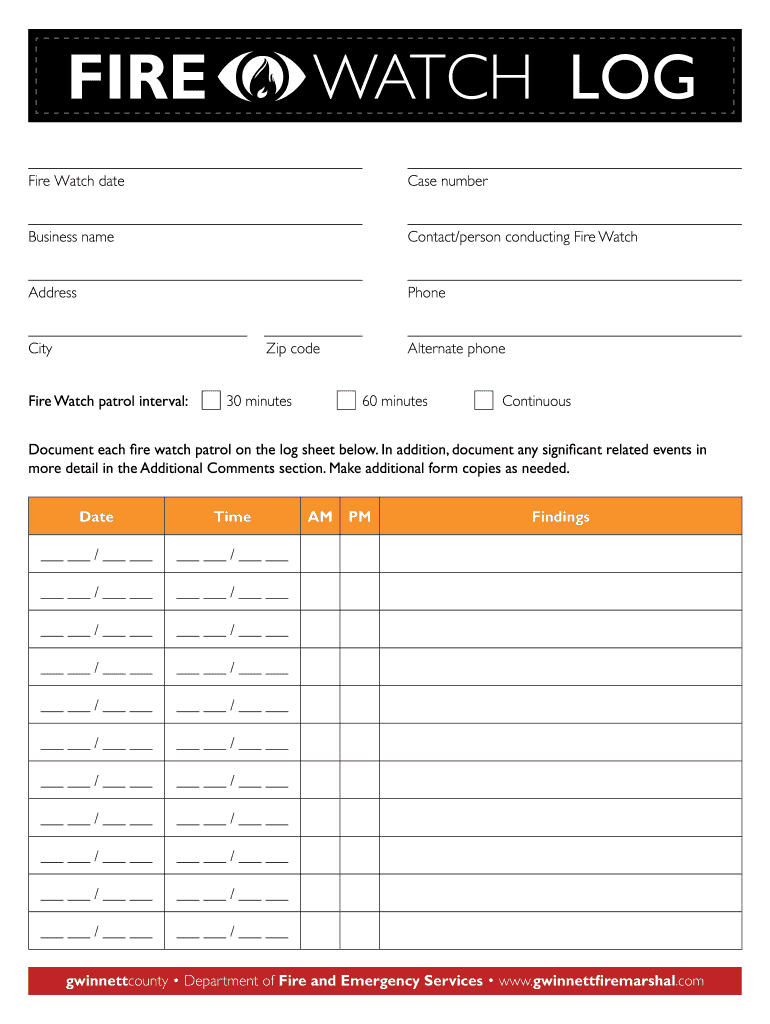
The fire watch form PDF is an essential document used in fire safety protocols, specifically for recording the activities and observations during fire watch duties. This document helps ensure that properties remain safe during potentially hazardous situations, and it provides a record of the monitoring process. It typically contains fields for date, time, findings, and the signatures of responsible personnel.
Key Components of the Fire Watch Form
The fire watch form encompasses several critical elements that enhance its effectiveness:
- Identification Information: This includes the name of the facility, location, and contact information for the safety officer or fire personnel responsible.
- Time Intervals: The document specifies required intervals for patrols, such as every 30 minutes or continuously, to ensure consistent monitoring.
- Findings Section: This area enables personnel to record pertinent observations, including any unusual smells, smoke, or signs of fire, along with corrective actions taken.
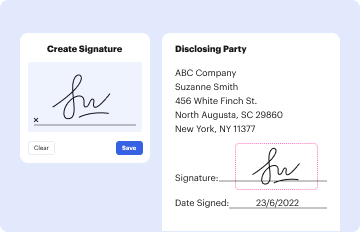
- Signature Block: A designated space for the responsible individual to sign, confirming their acknowledgment of the duties performed and adherence to protocol.
Each component acts as a safeguard, ensuring that fire safety practices are followed diligently.
How to Use the Fire Watch Form
Utilizing the fire watch form PDF involves several systematic steps to ensure comprehensive fire monitoring:
- Preparation: Before commencing any fire watch duties, gather all necessary materials, including the fire watch form and any tools required for effective observation, like flashlights or communication devices.
- Documentation: During each scheduled patrol, record the exact time and findings in the designated sections of the form. It is crucial to note any incidents or anomalies.
- Review and Submit: Once the patrol is complete, review all entries for accuracy, ensuring that every observation is documented. The responsible individual should sign the form to validate the report.
- Storage: Store the filled forms securely for future reference and compliance with fire safety regulations. Digital versions can also be maintained, ensuring easy access for audits.
Following these steps guarantees that fire watch responsibilities are fulfilled, and documentation remains consistent.
Importance of a Fire Watch Log
The fire watch log is vital for a variety of reasons, impacting both operational safety and compliance needs:
- Documentation: It serves as a legal record demonstrating that fire watch protocols were followed in compliance with local regulations and safety codes.
- Response Preparation: Information collected in the log helps identify trends or recurring issues, enabling proactive safety measures to be implemented.
- Training and Accountability: The log assists in training personnel on their responsibilities during fire hazards by providing real examples of situations encountered.
- Emergency Situations: In case of actual emergencies, the log can provide critical information regarding observed conditions, which can be vital for first responders.
In essence, the fire watch log enhances organizational safety culture and accountability.
Legal and Regulatory Considerations
Understanding the legal implications of the fire watch form PDF ensures compliance with various fire safety regulations:
- Local Regulations: Many states have specific fire safety laws demanding accurate documentation of fire watches in certain environments, particularly in high-risk facilities.
- Record Keeping: Businesses are often required to retain these records for a specified period, making it essential to understand local regulations about documentation retention.
- Legal Liability: In the event of an incident, having complete and accurate fire watch logs can protect businesses from liability claims by providing evidence of preventive measures taken.
Maintaining knowledge about these pertinent legal standards is critical for both organizational compliance and risk management.
Recommended Best Practices for Fire Watch Documentation
To maximize the effectiveness of fire watch forms, consider the following best practices:
- Consistency: Ensure that logs are completed consistently during each shift with detailed observations for clarity.
- Training: Regularly train personnel involved in fire watch duties to reinforce the importance of thorough and accurate documentation.
- Digital Tools: Leverage digital services to maintain logs, as they can streamline the process of editing, sharing, and securing documents.
By integrating these best practices, organizations can enhance the reliability of their fire safety procedures and create a safer environment for all.
Maintaining a robust fire watch form protocol not only fulfills safety requirements but also reinforces the organization’s commitment to fire prevention and safety, ensuring preparedness in case of emergencies.