







Understanding Individual Service Plans
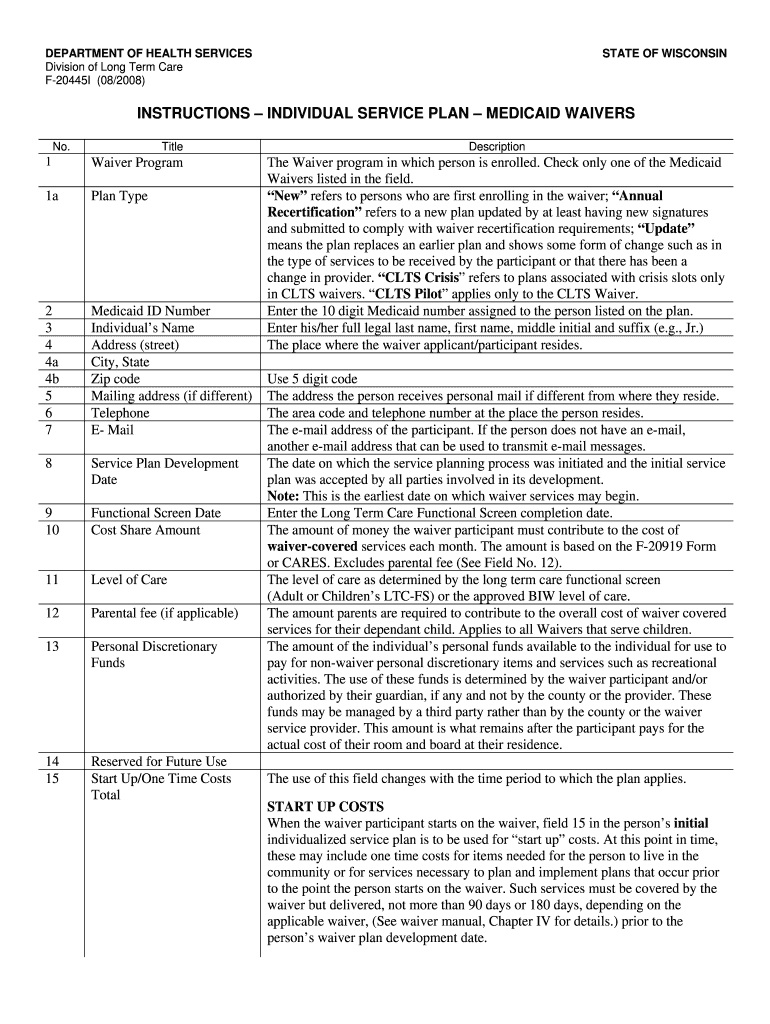
An Individual Service Plan (ISP) is a foundational document used primarily in the context of supporting individuals with disabilities. It provides a structured approach to outlining the services and supports that a person needs to achieve their personal goals and enhance their quality of life. An effective ISP aligns services with an individual’s unique requirements and preferences, ensuring they receive the necessary support in various life areas.
Components of an Individual Service Plan
An Individual Service Plan typically includes several key components:
- Participant Identification: Basic information about the individual, including name, contact details, and any relevant identification numbers.
- Goals and Objectives: Clearly defined goals tailored to the individual’s aspirations, such as enhancing independence, improving social integration, or acquiring new skills.
- Type of Services Provided: A detailed description of the services that will be provided, including therapy, support in daily living tasks, and vocational training.
- Financial Information: An outline of cost-sharing agreements, service funding sources, and any limits on service provision.
- Review Dates: Scheduled times for reviewing and updating the plan to reflect changes in needs or goals.
Individual Service Plan Examples
-
Personal Support Example
An individual may require assistance with personal care routines, which might include help with bathing, dressing, and meal preparation. The ISP would specify the frequency of these services and the personal care aide's qualifications. -
Vocational Support Example
For those seeking employment, the ISP might include job coaching services, identifying specific job opportunities aligned with the individual's skills and interests, and outlining support needed for job applications and interviews. -
Educational Support Example
An ISP for a young adult transitioning to higher education might detail accommodations needed at school, such as tutoring services, note-taking assistance, and access to assistive technology.
Sample ISP Goals for Adults with Disabilities
Effective goals in an ISP are measurable and time-bound. Some examples might include:
- Increase Independent Living Skills: The goal could focus on developing daily living skills over six months, culminating in the individual's ability to manage their household independently.
- Enhance Social Interaction: Setting a target for participating in community activities, such as weekly group outings or workshops over the course of a year.
- Improve Employment Readiness: A goal to complete specific employment workshops by a certain date, leading to an internship opportunity.
Developing an Individual Service Plan
The process of developing an ISP involves multiple steps:
- Assessment: Gathering comprehensive information about the individual’s needs, strengths, and preferences.
- Collaboration: Engaging the individual, family members, and relevant professionals in the planning process to ensure all perspectives are considered.
- Drafting the ISP: Creating a draft document that outlines services, goals, and expectations.
- Review and Revise: Presenting the draft to involved parties for feedback and making necessary adjustments.
- Finalization: Completing and distributing the finalized ISP, ensuring all stakeholders have access to the document.
Importance of Detailed Documentation
Detailed documentation in an ISP is crucial for several reasons:
- Personalization: It ensures that the supports provided are tailored to the individual's unique circumstances, increasing the chances of positive outcomes.
- Accountability: Clearly defined responsibilities for service providers help to ensure compliance with agreed-upon services.
- Tracking Progress: Regular updates and reviews help to assess progress towards goals, making it easier to adjust supports as needed.
Legal and Ethical Considerations
Complying with relevant legislation, such as the Americans with Disabilities Act (ADA) and the Individuals with Disabilities Education Act (IDEA), is critical in the ISP development process. Ensuring services are equitable and accessible helps protect the rights of individuals with disabilities while promoting their involvement in community life.
Conclusion on Individual Service Plans
An Individual Service Plan is a vital document that serves as a roadmap for individuals with disabilities to achieve their goals and improve their quality of life. By understanding its components, processes, and legal considerations, stakeholders can create effective, personalized ISPs that meet the unique needs of those they support.




