




01. Edit your rv rental agreement online
Type text, add images, blackout confidential details, add comments, highlights and more.

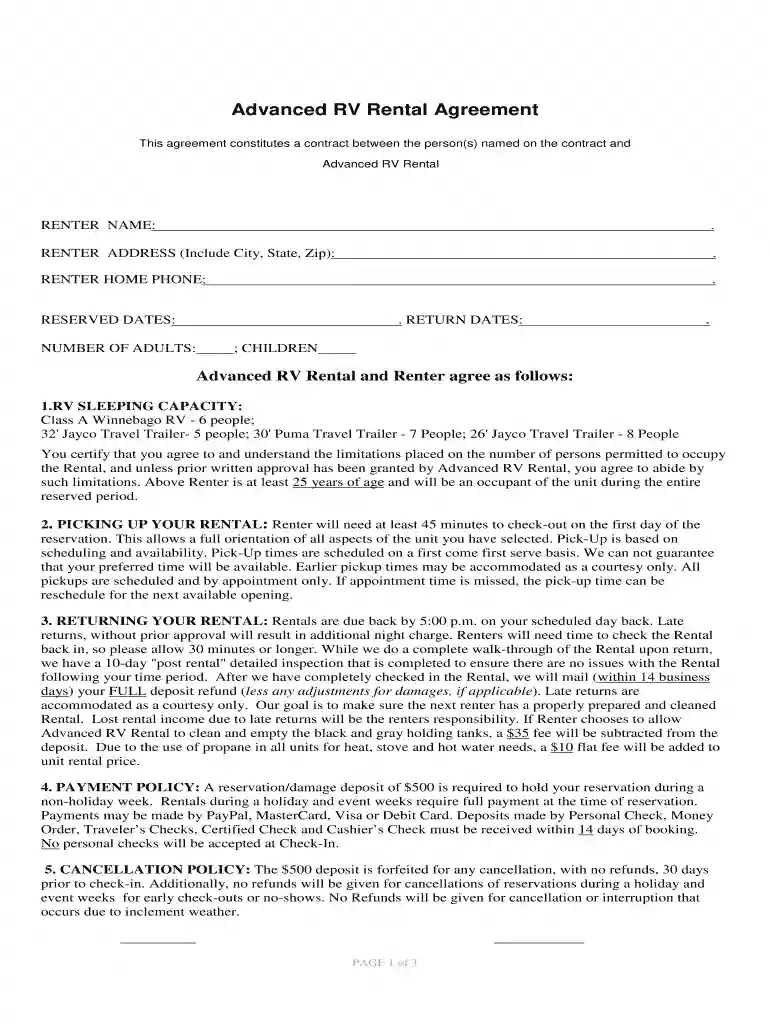
Type text, add images, blackout confidential details, add comments, highlights and more.

Draw your signature, type it, upload its image, or use your mobile device as a signature pad.

Send free printable rv rental agreement via email, link, or fax. You can also download it, export it or print it out.
An RV rental agreement is a legal document that outlines the terms and conditions between the rental company and the renter. This agreement serves to protect both parties by clearly defining responsibilities, payments, and other essential aspects of the rental process. Here are critical components generally included in an RV rental agreement:
Rental Terms and Duration
The rental agreement specifies the duration of the rental period. This could be a daily, weekly, or monthly rental, allowing the renter to understand exactly when the RV must be returned. It is important for both parties to be clear on the start and end dates of the rental.
Payment Conditions
Details regarding the total rental cost, including any applicable taxes, fees, deposits, and payment methods, are included. Renters should be aware of deadlines for payments and policies regarding cancellations. For instance, some companies may offer full refunds for cancellations made several days in advance.
Liability and Insurance Clauses
This section outlines the responsibilities of the renter in case of accidents or damage to the RV. The agreement often requires renters to have insurance coverage and may outline specifics such as liability limits. Understanding these clauses is crucial to avoid unexpected financial burdens.
Usage Regulations
RV rental agreements typically include guidelines regarding vehicle use, including mileage limits, geographic restrictions, and rules about towing other vehicles. Rental companies often prohibit using the RV for illegal activities or violating local laws.
Renter Responsibilities
Renters are expected to maintain the RV in good condition, adhering to guidelines outlined in the agreement. They must also return the vehicle with a full gas tank and in a clean state. Failure to comply can result in additional fees.
Rental Company Obligations
The rental company must ensure that the RV is in safe working condition and free of significant defects before handing it over to the renter. They are also responsible for conducting necessary maintenance and addressing any issues that arise during the rental period.
Security Deposits
Typically, rental companies require a security deposit to cover potential damages or excessive wear. This deposit is refundable upon returning the vehicle in satisfactory condition, minus any deductions for repair or cleaning costs.
Additional Fees
Rental agreements often mention potential additional charges, such as those for extra mileage, late returns, or inadequate cleaning upon return. Being aware of these potential fees helps renters budget accurately.
Dispute Resolution
The rental agreement may include clauses detailing how disputes will be managed, such as through mediation or arbitration. This can provide a simpler pathway for resolving conflicts without resorting to litigation.
Legal Compliance
Both parties must ensure they adhere to applicable laws relevant to RV rentals in their state. The agreement should comply with local, state, and federal regulations, which might influence the terms and enforceability of the contract.
Understanding the elements and implications of an RV rental agreement is essential for a smooth rental experience. Thoroughly reviewing all sections of the agreement, including responsibilities and potential fees, ensures clarity between the renter and the rental company, allowing for a successful rental endeavor with minimized risks.
At DocHub, your data security is our priority. We follow HIPAA, SOC2, GDPR, and other standards, so you can work on your documents with confidence.


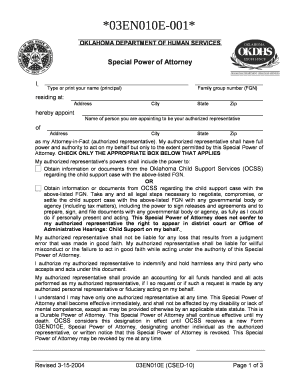


RV sites are permitted to have one camper. No additional campers or tents are permitted. ○ Registered Campers are allowed two vehicles at each campsiteRead more
The document should detail the rights, obligations, and responsibilities of both parties, as well as the fees, charges, and compensation for the vehicle or carRead more
All drivers have to be present, listed on and sign the Rental Settlement and will be sure by Terms and Circumstances of the Rental Agreement at vehicle choose


