




01. Edit your contribution letter online
Type text, add images, blackout confidential details, add comments, highlights and more.

Type text, add images, blackout confidential details, add comments, highlights and more.

Draw your signature, type it, upload its image, or use your mobile device as a signature pad.

Send contribution letter template via email, link, or fax. You can also download it, export it or print it out.
A contribution letter serves as a formal document acknowledging a donation or support provided by an individual or organization. It not only details the contribution but also provides a record for both parties involved. This letter is often used for various types of contributions, such as monetary donations, in-kind gifts, or pledges for services. The essential components of a well-structured contribution letter include:
Donor Information: The letter should clearly identify the donor, including their name, address, and contact details. This ensures that the recipient can follow up or acknowledge the contribution as appropriate.
Recipient Details: Including the name of the organization or individual receiving the contribution further clarifies the purpose of the letter.
Description of the Contribution: It is crucial to specify what is being contributed. This can include cash amounts, donated services, or physical items, such as equipment or supplies.
Value of Contribution: Providing an estimate of the contribution’s monetary value helps demonstrate the impact of the donor's support and is necessary for tax documentation purposes.
Purpose of the Contribution: Detailing how the contribution will be used fosters transparency and accountability, encouraging further generosity.
This document can also serve as proof of contribution for tax deductions, verifying that a donation has been made, which is especially important for non-profit organizations.
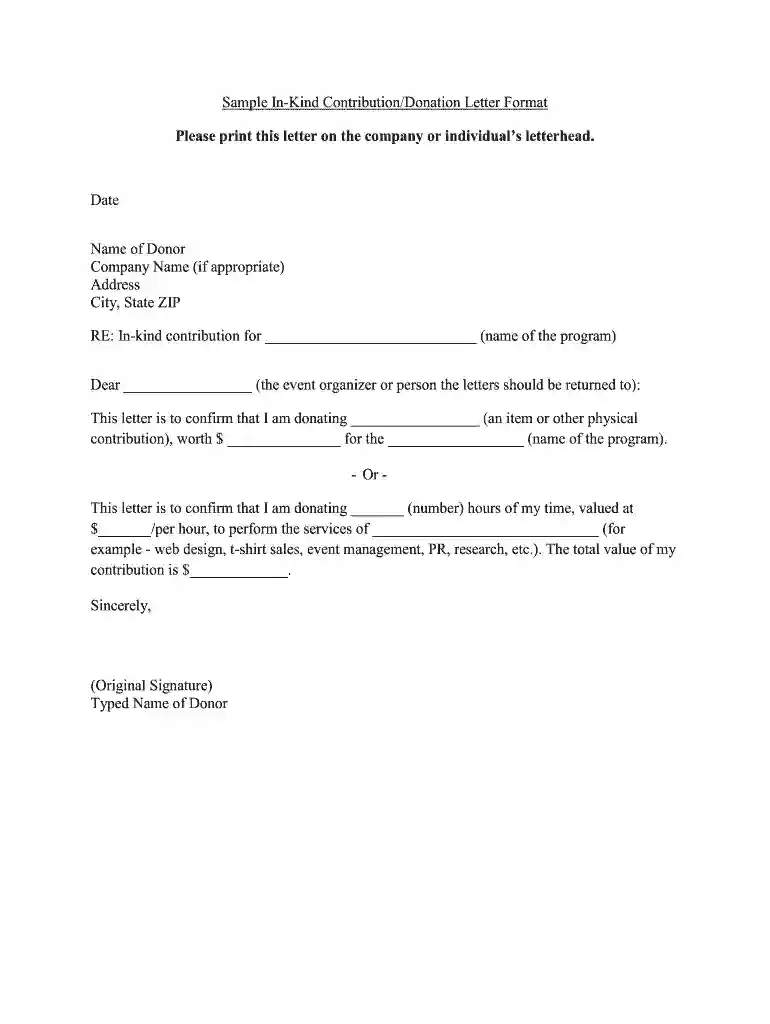
Creating an effective contribution letter requires a clear and organized format. Here’s a sample template for crafting your own contribution letter:
[Your Name]
[Your Address]
[City, State, Zip Code]
[Email Address]
[Phone Number]
[Date]
[Recipient Name]
[Recipient Organization]
[Recipient Address]
[City, State, Zip Code]
Dear [Recipient Name],
I am pleased to confirm my contribution to [Recipient Organization] as follows:
This contribution is intended for [briefly explain the purpose or program], and I hope it will support your continued efforts in [state the focus of the organization's work].
Thank you for the valuable work you do in [mention the cause or community].
Sincerely,
[Your Name]
This template can be adjusted to suit a specific contribution type or purpose, maintaining a professional and concise tone throughout.
Contribution letters can span a wide range of contexts and contributions. Understanding the various types can help in drafting specific letters tailored to each scenario:
Monetary Contributions: Used when an individual or organization donates money to a cause or organization. This typically includes cash or check donations.
In-Kind Contributions: These letters acknowledge non-monetary donations such as goods, services, or materials that have tangible benefits to the recipient.
Pledges and Commitments: For ongoing support, a contribution letter may outline a commitment to provide additional donations over time, including future donation amounts or timelines.
Family Contribution Letters: These letters may clarify financial support within a family, such as contributions to household expenses or education costs.
Each type requires its nuanced approach in wording and content to adequately capture the essence of the contribution being made.
Writing an effective contribution letter involves several steps to ensure clarity and intention are conveyed. Here are the essential elements to consider:
Determine Your Audience: Understand who will receive the letter. This can influence the tone and content of your communication.
Decide on the Type of Contribution: Clearly defining the nature of the contribution will guide the letter's structure and details included.
Gather All Necessary Information: Before drafting, collect details about the donor, recipient, contribution description, and its value.
Draft the Letter: Utilize the template provided or create your own draft, ensuring each necessary component is included. Maintain a professional tone.
Review for Accuracy: Proofread the letter for any errors or omissions. Ensure that the information regarding the contribution is correct and clearly articulated.
Send the Letter: Deliver the letter through the appropriate method, whether by mail or electronically, based on what suits both the donor and recipient best.
By following these steps, you can create a robust contribution letter that serves its purpose effectively.
Contribution letters hold significance not only for record-keeping but also for fostering goodwill between donors and recipients. Their key roles include:
Proof of Contribution: These letters serve as formal documentation required for tax filings, ensuring compliance with IRS guidelines.
Strengthening Relationships: By acknowledging contributions, it helps build and maintain relationships between the donor and the organization, encouraging future support.
Transparency: Providing a detailed account of what was contributed helps clarify expectations and uses of the contribution, fostering trust.
Facilitating Accountability: Both parties can reference the letter to understand the terms and impact of the contribution made, enabling reporting on how donations are used.
Creating clear and concise contribution letters benefits both the donor and the recipient, establishing a foundation for ongoing support and transparency.
We've got more versions of the contribution letter form. Select the right contribution letter version from the list and start editing it straight away!
| Versions | Form popularity | Fillable & printable |
|---|---|---|
| 2015 | 4.3 Satisfied (23 Votes) |
At DocHub, your data security is our priority. We follow HIPAA, SOC2, GDPR, and other standards, so you can work on your documents with confidence.
Feb 10, 2026 The written acknowledgment required to substantiate a charitable contribution of $250 or more must contain the following information.Read more
Dear (donor),. On behalf of the. Club/Council/Group, I would like to thank you for your contribution received on (date). (Sentences may be added to describeRead more


