

RESOLVING DISPUTES IN THE EARLY INTERVENTION SYSTEM 2026

Get Form
RESOLVING DISPUTES IN THE EARLY INTERVENTION SYSTEM Preview on Page 1

Here's how it works

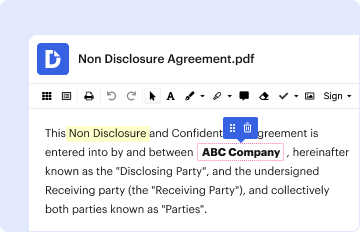
01. Edit your form online
Type text, add images, blackout confidential details, add comments, highlights and more.
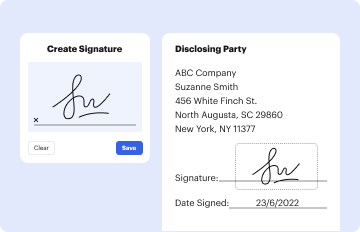
02. Sign it in a few clicks
Draw your signature, type it, upload its image, or use your mobile device as a signature pad.
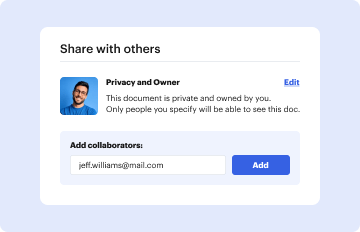
03. Share your form with others
Send it via email, link, or fax. You can also download it, export it or print it out.

How to use or fill out RESOLVING DISPUTES IN THE EARLY INTERVENTION SYSTEM

Form edit decoration
9.5
Ease of Setup
DocHub User Ratings on G2
9.0
Ease of Use
DocHub User Ratings on G2
  1. Click ‘Get Form’ to open it in the editor.
  2. Begin by reviewing the introduction section, which outlines your rights and options regarding early intervention services. Familiarize yourself with the terms used in the document.
  3. In the section about requesting a meeting, fill in your details and those of your service coordinator if you wish to schedule a meeting within seven days.
  4. If you choose to file a complaint, navigate to that section and clearly state the legal violation and relevant facts. Ensure all necessary information is included for clarity.
  5. For mediation requests, complete the designated form with your contact information and preferred meeting times. This will help facilitate a quicker resolution.
  6. When preparing for a due process hearing, gather evidence and documentation as outlined in the hearing section. Make sure to note any witnesses you may want to include.

Start using our platform today to easily fill out and manage your RESOLVING DISPUTES IN THE EARLY INTERVENTION SYSTEM form for free!

be ready to get more

Complete this form in 5 minutes or less

Get form

Got questions?

We have answers to the most popular questions from our customers. If you can't find an answer to your question, please contact us.
Contact us
Litigation is generally thought of as the process of resolving rights-based disputes through the court system, from filing a law suit through arguments on legal motions, a discovery phase involving formal exchange of information, courtroom trial and appeal.
Negotiation is the most common approach to resolving disputes, and it is less formal than arbitration or mediation and affords parties more flexibility. Effective negotiation can be an alternative to litigation, especially when parties are willing to work together in good faith.
Most disputes are handled using one of three main methods: negotiation, mediation, or arbitration. Negotiation Is the Most Direct Path to Resolution. Mediation Involves a Neutral Third Party. Arbitration Leads to a Binding Decision. Touro University Worldwides MA in Dispute Resolution.
Here is the conflict resolution process in five steps. Step 1: Identify the source of the conflict. Step 2: Look beyond the incident. Step 3: Request solutions. Step 4: Identify solutions both disputants can support. Step 5: Agreement.
Law firm Davis Wright Tremaine explains that resolving conflict often begins with open communication and a willingness to collaborate. Most disputes are handled using one of three main methods: negotiation, mediation, or arbitration.

Security and compliance

At DocHub, your data security is our priority. We follow HIPAA, SOC2, GDPR, and other standards, so you can work on your documents with confidence.

Learn more
ccpa2
pci-dss
gdpr-compliance
hipaa
soc-compliance